Pakistan carried out airstrikes in Afghanistan, with Kabul reporting civilian deaths while Islamabad says fighters were targeted in the attacks.
Pakistan Airstrikes Afghanistan: Civilian Casualties Reported
Pakistan has carried out airstrikes against alleged armed-group positions inside Afghanistan, triggering renewed tensions between the two neighbouring countries. Pakistani authorities said the strikes targeted militant camps and hideouts, while Afghanistan accused Pakistan of hitting civilian areas and causing deaths among women and children.
According to Pakistan’s Ministry of Information, the military operation was carefully planned and based on intelligence about the presence of armed groups. Officials said the strikes targeted locations associated with the Tehrik-i-Taliban Pakistan (TTP) and the Balochistan Liberation Army (BLA).
Pakistan reported that 22 fighters were killed during the operation. Authorities also said weapons and ammunition stored at the targeted locations were destroyed.
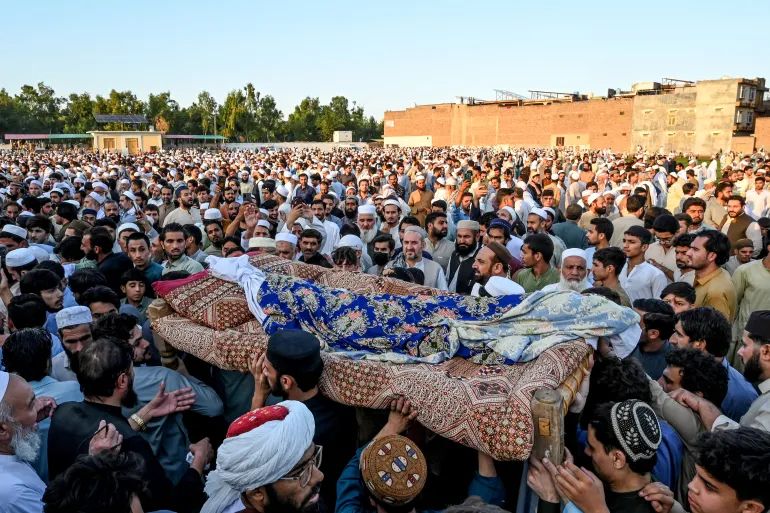
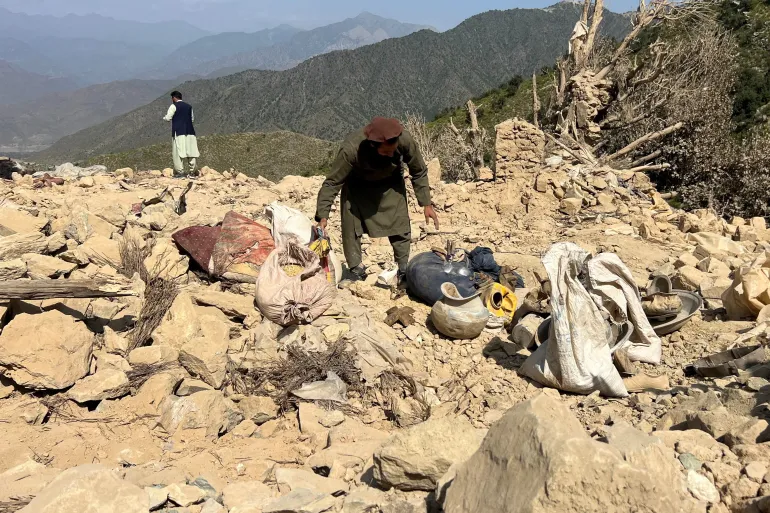
However, Afghan authorities gave a very different account of the attacks. Afghanistan’s Taliban government said the strikes hit areas in Kunar province in the northeast and Helmand province in the south. Afghan officials said at least nine people, including women and children, were killed and 11 others were injured.
The attacks reportedly took place late on Wednesday and destroyed several residential buildings. Afghan officials condemned the operation, describing it as an attack on Afghan territory and accusing Pakistan of violating international principles.
The United Nations also reported civilian casualties following the airstrikes. The UN mission in Afghanistan said at least 10 civilians were killed, most of them children, while nine other people were injured. The organization called for an immediate reduction in tensions and urged both countries to resolve their differences through dialogue.
The conflicting casualty figures could not be independently confirmed. Both Pakistan and Afghanistan have presented different accounts of the targets and impact of the strikes.
Why Pakistan Targeted Afghanistan
Pakistan has repeatedly accused armed groups based in Afghanistan of carrying out attacks on Pakistani territory. Islamabad has particularly focused on the TTP, an armed group that has conducted attacks inside Pakistan.
Pakistani authorities also identified the Balochistan Liberation Army as another target. The BLA has been linked to attacks in Pakistan’s southwestern Balochistan province, where security tensions have remained high.
Pakistan says armed groups operating from Afghan territory pose a direct security threat. Islamabad has repeatedly called on authorities in Kabul to prevent militants from using Afghan soil to organize or launch attacks against Pakistan.
Afghanistan, however, rejects accusations that it is deliberately providing shelter for armed groups targeting Pakistan. Afghan officials have instead accused Pakistan of using military force against civilian communities and say cross-border airstrikes have caused significant harm to ordinary people.
Rising Pakistan-Afghanistan Tensions
Relations between Pakistan and Afghanistan have deteriorated significantly in recent years. Security concerns along the border have become one of the main sources of disagreement between the two countries.
A temporary ceasefire between Pakistan and the TTP broke down in late 2022. Since then, Pakistan has reported a rise in militant attacks, particularly in Khyber Pakhtunkhwa and other areas close to the Afghan border.
Islamabad has responded to some attacks with military operations and airstrikes, including strikes against suspected militant locations inside Afghanistan.
Afghan authorities have strongly opposed such operations, arguing that Pakistan should resolve security disputes through diplomatic channels rather than military action.
The latest Pakistan airstrikes in Afghanistan therefore represent another serious escalation in an already strained relationship.
UN Warns of Civilian Harm
The latest attacks have also raised concerns about the growing impact of cross-border violence on civilians. The United Nations said civilians continue to suffer as tensions increase between the neighbouring countries.
The UN has called on both sides to reduce hostilities, respect international law and take steps to prevent further civilian casualties.
The organization has also documented more than 1,100 civilian casualties in Afghanistan linked to cross-border violence during the year, highlighting the broader humanitarian consequences of continued fighting.
For communities living near the Pakistan-Afghanistan border, renewed military activity could create additional risks. Further escalation could also make diplomatic efforts between Kabul and Islamabad more difficult.
The latest airstrikes underline the fragile security situation between Pakistan and Afghanistan. While Pakistan says its operations are focused on armed groups responsible for attacks, Afghan authorities continue to raise concerns about civilian safety and territorial sovereignty.
With both sides maintaining sharply different accounts of the attacks, the situation remains tense. Continued dialogue and efforts to address cross-border militancy will be important to prevent further escalation and reduce the risk of additional civilian casualties.