A powerful 7.1 earthquake struck Japan’s Kumamoto region, causing fatalities, injuries, building damage, power outages, and transport disruption.
Japan 7.1 Earthquake Leaves Several Dead as Kumamoto Faces Widespread Destruction
A powerful 7.1 magnitude earthquake struck Japan’s southern Kumamoto Prefecture, leaving several people dead, dozens injured, and causing widespread destruction across the region. The strong quake triggered power outages, damaged roads and bridges, disrupted transportation, and caused a devastating explosion at a large shopping mall. Authorities continue rescue operations as emergency crews search for people believed to be trapped beneath collapsed structures.
The earthquake struck on Tuesday afternoon with its epicenter located near the city of Uki, approximately 20 kilometers south of Kumamoto City. According to seismic experts, the earthquake occurred at a shallow depth of around 10 kilometers, increasing the intensity of ground shaking throughout the surrounding areas.
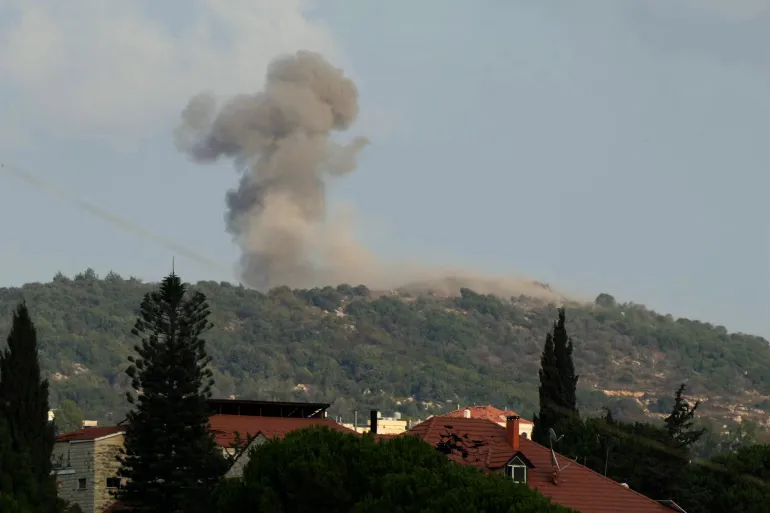
One of the most serious incidents occurred at a major shopping mall where an explosion happened shortly after the earthquake. Emergency officials reported that between 20 and 30 workers were initially unaccounted for as rescue teams rushed to the scene. Thick smoke filled the area following the blast, making rescue efforts even more difficult. Investigators are still working to determine what caused the explosion, and officials have not confirmed whether it was directly linked to earthquake-related damage.
Hospitals across the region quickly became overwhelmed as injured residents were brought in for treatment. Medical officials reported that dozens of people suffered injuries ranging from minor cuts and fractures to severe trauma requiring emergency care. Several passengers were also injured after a high-speed train was affected during the powerful tremors.
A tsunami warning was briefly issued following the earthquake but was later lifted after further analysis showed no significant tsunami threat. Nuclear safety officials also confirmed that nearby nuclear power facilities showed no signs of damage or operational abnormalities after detailed inspections.
Government officials urged residents to remain alert as powerful aftershocks continued to shake the affected region. Emergency authorities warned that additional earthquakes of similar strength remain possible in the coming days and encouraged people to follow evacuation instructions and avoid entering damaged buildings.
More than 300,000 residents were instructed to evacuate to emergency shelters as disaster response teams expanded rescue operations. Hundreds of military personnel, firefighters, police officers, and medical teams were deployed to assist affected communities, clear debris, and provide emergency supplies.
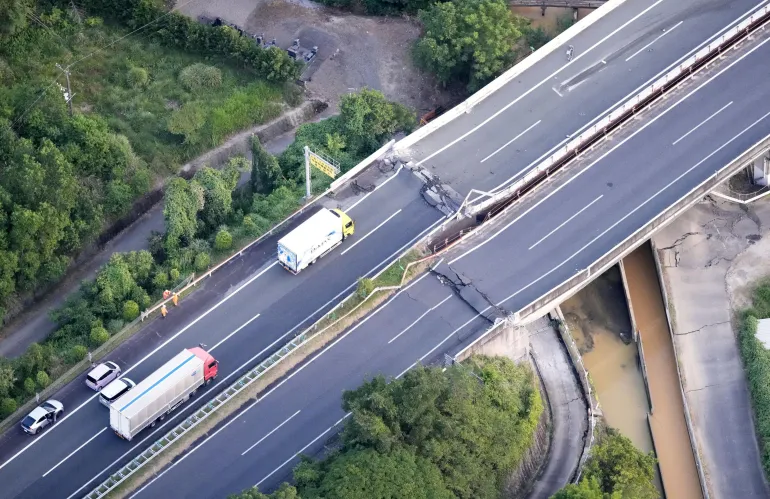
The earthquake caused extensive damage to public infrastructure throughout Kumamoto and neighboring areas. Numerous roads developed large cracks, bridges sustained structural damage, and several buildings partially collapsed. Utility providers reported that approximately 48,000 households lost electricity after the quake, while repair crews worked around the clock to restore power.
Transportation across Kyushu experienced significant disruption. High-speed bullet train services and regional rail operations were suspended while engineers inspected tracks and stations for structural damage. Airport operations were also interrupted after runway inspections revealed damage that prevented aircraft from safely taking off or landing.
The powerful shaking was felt across several neighboring prefectures, with residents reporting intense ground movement lasting for several seconds. Emergency alerts were sent to millions of people, advising them to seek higher ground if necessary and remain prepared for additional seismic activity.
Several major manufacturing facilities temporarily halted operations as a precaution. Employees at industrial plants were safely evacuated while engineers carried out structural inspections to assess potential damage. Most companies confirmed that workers were safe, although detailed assessments of production facilities remained ongoing.
Historic landmarks also suffered damage during the earthquake. Parts of the stone walls surrounding Kumamoto Castle, which had already undergone repairs following previous earthquakes, collapsed once again under the force of the latest tremors. Engineers will evaluate the extent of the damage before restoration work resumes.
Japan remains one of the world’s most earthquake-prone countries due to its location along the Pacific Ring of Fire, where multiple tectonic plates meet. The nation experiences thousands of earthquakes every year, with many strong enough to cause significant structural damage. Strict building codes and advanced early warning systems have helped reduce casualties over the years, but powerful shallow earthquakes continue to pose serious risks.
Emergency officials continue to search damaged buildings for survivors while assessing the full extent of the disaster. Authorities are urging residents to stay informed through official emergency alerts, prepare emergency supplies, and remain cautious as aftershocks continue. Recovery efforts are expected to continue for days as rescue teams work tirelessly to assist affected communities and restore essential services across Kumamoto and the surrounding region.