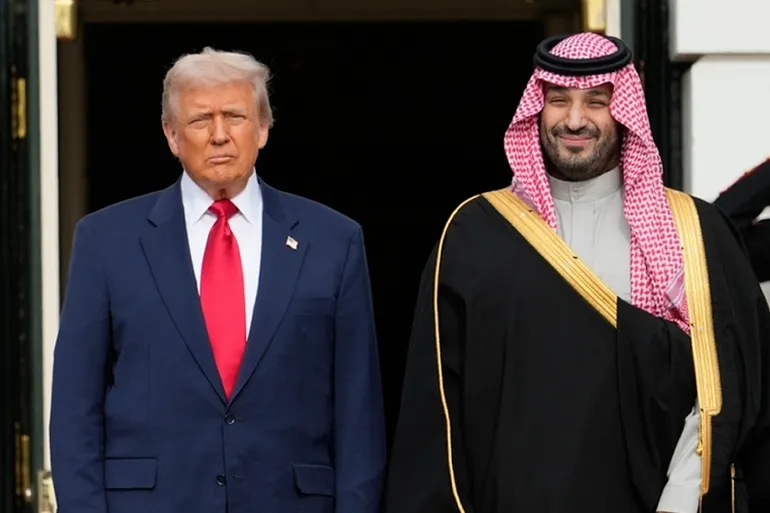
Saudi Crown Prince urges Trump to prioritize diplomacy over military action as US-Iran tensions ease amid hopes for renewed regional peace talks.
Saudi Crown Prince Calls for Dialogue as Trump Pauses Military Action Against Iran
Saudi Crown Prince Mohammed bin Salman has urged United States President Donald Trump to prioritize diplomacy instead of further military action as tensions between Washington and Tehran continue to threaten regional stability. The high-level conversation came during one of the most sensitive moments in the ongoing US-Iran conflict, highlighting Saudi Arabia’s growing role in promoting peace and preventing a wider regional war.
According to official reports, the Saudi crown prince emphasized that dialogue remains the most effective path to reducing tensions and avoiding further violence. He stressed the importance of making every possible effort to restore calm and create conditions that would allow diplomatic negotiations to move forward.
The Saudi leader also warned that expanding military operations could have serious consequences not only for the Middle East but also for global security and economic stability. Protecting the Gulf region from a broader conflict remains one of Saudi Arabia’s highest priorities, especially given the strategic importance of the region’s energy infrastructure and international shipping routes.
Only hours after the conversation, President Trump announced that planned US military strikes against Iran would be suspended. The decision marked a dramatic change from his earlier statements, in which he warned that the United States was prepared to use overwhelming military force if necessary.
Trump explained that the decision to halt additional strikes came after discussions involving several Middle Eastern governments and ongoing diplomatic efforts. He claimed that the basic framework for a possible agreement had been established and expressed optimism that negotiations could lead to a lasting reduction in hostilities.
Iran, however, rejected claims that it had requested a pause in military operations. Iranian officials insisted that their armed forces remain on full alert and denied reports suggesting they had sought a temporary ceasefire. They described the statements as inaccurate while maintaining that Iran would continue to defend its national interests.
Saudi Arabia’s concern goes beyond political stability. Officials remain deeply worried that any large-scale attack on Iranian energy facilities could trigger retaliation against oil and gas infrastructure throughout the Gulf region. Such attacks could significantly disrupt global energy markets and increase economic uncertainty around the world.
Recent security incidents have reinforced those concerns. Saudi authorities have intercepted multiple drone attacks targeting energy facilities and other strategic locations. Armed groups aligned with Iran have also threatened shipping routes and regional infrastructure, raising fears that the conflict could spread across neighboring countries.
The Strait of Hormuz remains one of the world’s most strategically important waterways. Nearly one-fifth of global oil and gas exports pass through the narrow shipping channel every day. Any disruption to maritime traffic could affect international energy prices, supply chains, and global economic growth.
The current conflict began earlier this year when military operations targeted Iran’s missile capabilities, nuclear-related infrastructure, and support networks for allied armed groups across the region. Although a temporary ceasefire was reached, disagreements over maritime security and shipping access eventually led to renewed fighting.
American officials argue that recent military operations have significantly weakened Iran’s conventional military capabilities, including parts of its missile defense systems, naval forces, and air power. They believe these developments have strengthened Washington’s position ahead of any future negotiations.
Despite these military assessments, regional leaders continue to stress that diplomacy offers the best chance of preventing another dangerous escalation. Many governments across the Middle East are working behind the scenes to encourage both sides to return to negotiations before the situation worsens.
Several countries, including Qatar, Oman, and Pakistan, have reportedly intensified mediation efforts aimed at bringing US and Iranian representatives back to the negotiating table. These nations have long served as trusted intermediaries during periods of heightened regional tension.
Foreign policy experts believe Saudi Arabia’s direct engagement reflects its increasing influence in regional diplomacy. Rather than supporting further escalation, Riyadh appears focused on protecting economic stability, safeguarding energy exports, and maintaining long-term security throughout the Gulf.
Analysts note that continued communication between regional leaders and international powers will be essential in reducing misunderstandings and preventing accidental military confrontations. Even limited diplomatic progress could help rebuild confidence and create opportunities for broader negotiations.
Markets are also closely monitoring developments. Investors remain sensitive to any changes involving Gulf energy production or shipping routes, making diplomatic breakthroughs increasingly important for global financial stability.
While significant differences remain between Washington and Tehran, the latest pause in military action has created a window of opportunity for renewed diplomacy. Regional leaders hope sustained dialogue can prevent further conflict, protect civilians, secure international trade routes, and lay the foundation for a more stable Middle East.
As negotiations continue, the international community will be watching closely to see whether diplomacy can succeed where military pressure has repeatedly failed. For now, Saudi Arabia’s call for restraint highlights the growing recognition that lasting peace can only be achieved through continued dialogue, cooperation, and political engagement.