Israeli strikes in Gaza killed 18 people in three days despite a new US peace proposal, raising fears over civilian safety and ceasefire efforts.
Israeli Strikes Continue in Gaza as Civilian Death Toll Reaches 18 After New US Peace Proposal
Violence continued across the Gaza Strip as Israeli military strikes killed at least 18 Palestinians in the three days following the announcement of a new United States-backed peace proposal. The renewed attacks have raised serious concerns about the future of diplomatic efforts aimed at ending months of conflict and improving humanitarian conditions in the region.
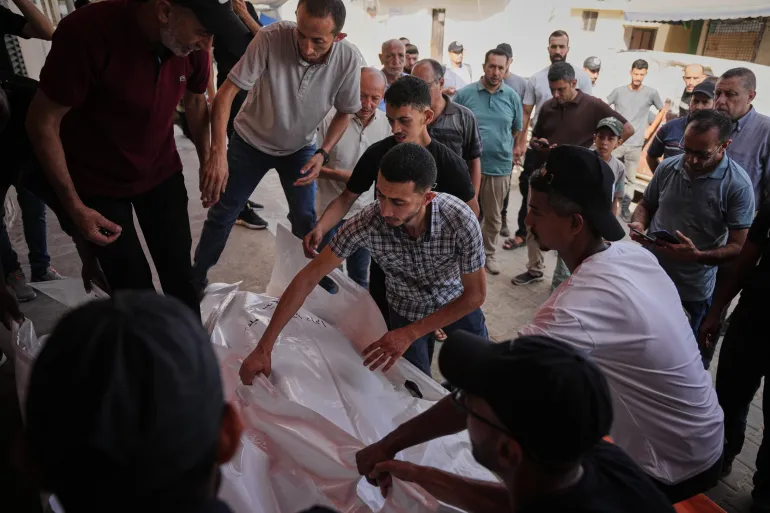
According to medical officials, at least eight Palestinians lost their lives on Sunday in separate airstrikes targeting residential neighborhoods in northern, central, and southern Gaza. Among those killed were several members of the same families, including young children, highlighting the continuing impact of the conflict on civilians.
One of the deadliest attacks struck a residential apartment in western Gaza City, where three members of a family were killed. Emergency responders recovered the bodies of a father, his wife, and their five-year-old son from the damaged building. Local medical teams reported that the strike caused extensive destruction to nearby apartments and forced residents to flee the area.
Another attack targeted a family home in the Al-Qarara area near Khan Younis in southern Gaza. The airstrike killed a father, his wife, and their young daughter while leaving several other relatives injured. Medical staff confirmed that the wounded were transferred to nearby hospitals for emergency treatment.
In central Gaza, another Israeli strike hit a residential house near Deir al-Balah, killing an elderly couple. Rescue teams searched through damaged structures as neighbors attempted to assist survivors following the attack.
Medical Facilities Suffer Additional Damage
Healthcare infrastructure also suffered further damage during the latest military operations. Overnight strikes hit medicine warehouses located near Al-Aqsa Martyrs Hospital in Deir al-Balah, destroying medical supplies that were considered essential for treating thousands of patients.
Health officials reported that two storage facilities were completely destroyed while two others sustained severe structural damage. The loss of medicines and medical equipment is expected to worsen an already critical healthcare situation, where hospitals continue to struggle with shortages of essential supplies.
Witnesses described a large explosion that created a massive crater near the hospital complex. The blast also damaged tents sheltering displaced families, forcing many people to relocate once again in search of safety.
Residential Areas Face Continuous Airstrikes
Residents across Gaza reported that Israeli aircraft carried out numerous strikes over the past two days, hitting residential buildings, apartments, and crowded civilian areas. Many locals said attacks occurred without advance warnings or evacuation notices, leaving families little time to escape.
The continued bombardment has resulted in widespread destruction of homes and public infrastructure, adding to the humanitarian crisis affecting hundreds of thousands of displaced people.
Israeli authorities have repeatedly stated that military operations target members of Hamas and other armed groups. However, local health officials say civilians continue to make up a significant proportion of those killed and injured during the strikes.
Peace Proposal Overshadowed by Renewed Fighting
The latest escalation came shortly after the announcement of a new American proposal intended to move both Israel and Hamas toward a phased agreement that includes disarmament measures and a gradual Israeli military withdrawal from parts of Gaza.
Despite hopes that the proposal could reduce hostilities, fighting has continued with little indication of an immediate ceasefire. The renewed violence has led many observers to question whether diplomatic initiatives can succeed while military operations remain active.
Over the past several years, multiple ceasefire agreements have been announced, but many have failed to produce lasting stability. Previous truces have frequently collapsed amid accusations of violations and renewed military action from both sides.
Humanitarian Situation Remains Critical
The ongoing conflict continues to deepen Gaza’s humanitarian emergency. Thousands of families remain displaced, while hospitals operate under severe pressure due to shortages of fuel, medicines, and medical equipment. Damaged infrastructure has also affected access to clean water, electricity, and essential public services.
Aid organizations have repeatedly warned that continued attacks on residential neighborhoods and healthcare facilities could further worsen living conditions for civilians already facing extreme hardship.
International observers continue to urge all parties to protect civilians, respect international humanitarian law, and pursue meaningful negotiations aimed at achieving a lasting ceasefire.
As diplomatic efforts continue, the latest casualties demonstrate the enormous challenges facing peace initiatives. With civilian deaths continuing to rise and humanitarian conditions deteriorating, the situation remains one of the most serious crises in the Middle East, underscoring the urgent need for sustained international engagement and a durable political solution.