Learn about Hindutva, its origins, ideology, political influence, and how it differs from Hinduism in shaping modern Indian politics and society.
What Is Hindutva and What Are the Roots of This Political Movement?
Hindutva is a political ideology closely linked to Hindu nationalism in India. Although the term is often confused with Hinduism, the two are not the same. Hinduism is one of the world’s oldest religions, rooted in spiritual traditions, philosophy, and diverse cultural practices. Hindutva, on the other hand, is a modern political movement that emerged during the 20th century and focuses on defining India primarily through a Hindu cultural identity.
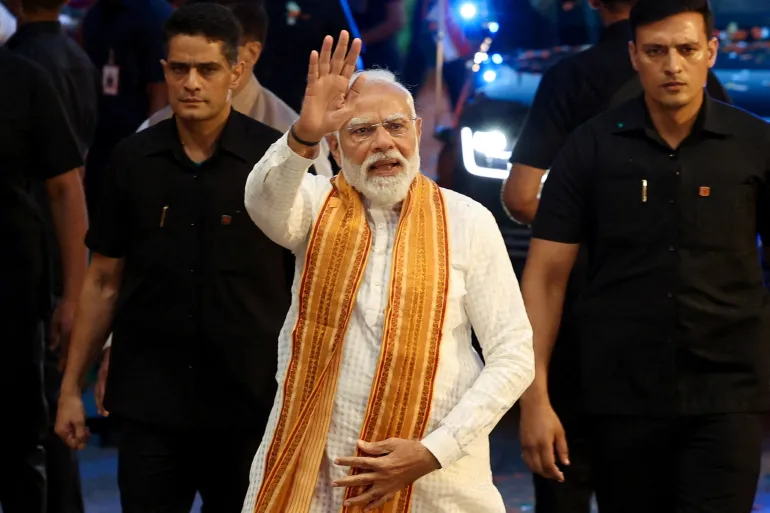
In recent years, the influence of Hindutva has grown significantly in Indian politics and public life, especially under the leadership of Prime Minister Narendra Modi and the Bharatiya Janata Party (BJP). The movement has shaped debates over religion, nationalism, citizenship, and India’s secular identity.
Meaning of Hindutva
The word “Hindutva” roughly translates to “Hindu identity” or “Hindu essence.” The term combines “Hindu” with the Sanskrit suffix “-tva,” which refers to a state of being or identity.
Supporters of Hindutva believe India’s national identity should be rooted in Hindu culture and traditions. Many advocates argue that India is fundamentally a Hindu civilisation and that its laws, education, and public life should reflect Hindu values more strongly.
Critics, however, argue that Hindutva is not simply about culture or religion but represents a political ideology that can marginalize religious minorities, particularly Muslims and Christians, in a country officially founded as a secular democracy.
Origins of the Hindutva Movement
The roots of Hindutva can be traced back to the early 20th century during British colonial rule in India. The ideology emerged partly as a response to colonial interpretations of Indian society and growing tensions between religious communities.
The term “Hindutva” was popularized by Vinayak Damodar Savarkar in his 1923 publication Essentials of Hindutva. Savarkar argued that Indian identity should be based on shared territory, culture, and heritage linked to Hindu civilisation.
According to his theory, people whose holy lands were outside India, such as Muslims and Christians, could not fully belong to the national identity in the same way as Hindus. This idea became one of the defining features of Hindutva ideology.
Savarkar remains a controversial figure in Indian history. While many supporters praise him as a nationalist thinker, critics point to his writings and political positions as deeply divisive.
Rise of the RSS and Hindu Nationalism
In 1925, Keshav Baliram Hedgewar founded the Rashtriya Swayamsevak Sangh (RSS), a Hindu nationalist volunteer organization that became the central force behind the Hindutva movement.
The RSS focused on building Hindu unity through social work, education, and community activities. Over time, it developed a large network of affiliated groups involved in politics, labor unions, education, youth organizations, and religious campaigns.
Some early RSS leaders openly admired aspects of European nationalist movements during the 1930s and 1940s, particularly their emphasis on cultural unity and national strength.
The organization faced major backlash after the assassination of Mahatma Gandhi in 1948 because Gandhi’s assassin had previously been associated with the RSS. Although the organization denied involvement, the incident permanently shaped public debates about Hindu nationalism in India.
BJP and the Political Expansion of Hindutva
The political influence of Hindutva expanded dramatically through the rise of the BJP. Formed in 1980, the party gradually became India’s dominant political force by promoting Hindu nationalist themes.
One of the movement’s biggest political campaigns centered around the disputed site in Ayodhya, where Hindu activists claimed the historic Babri Mosque stood on the birthplace of the Hindu deity Ram.
In 1992, the Babri Mosque was demolished by large crowds linked to Hindu nationalist groups. The event triggered deadly communal riots across India and remains one of the most controversial moments in modern Indian history.
The BJP’s political rise accelerated further under Narendra Modi, who became prime minister in 2014. Since then, Hindutva ideology has increasingly influenced government policies and public discourse.
Key Ideas Behind Hindutva
Hindutva ideology promotes the idea that India is primarily a Hindu civilisation. Supporters often call for stronger protection of Hindu traditions, symbols, and religious identity in public life.
Some common themes associated with Hindutva include:
- Reinterpreting Indian history through a Hindu nationalist lens
- Promoting Sanskrit and Hindu cultural symbols
- Protecting cows, considered sacred in Hinduism
- Supporting laws against religious conversion
- Encouraging a unified national identity centered on Hindu culture
Critics argue that these ideas sometimes weaken India’s long-standing traditions of diversity, pluralism, and religious coexistence.
Hindutva and Contemporary Policies
Several major political decisions in recent years have been associated with the broader Hindutva agenda. In 2019, the Indian government revoked the special constitutional status of Jammu and Kashmir, India’s only Muslim-majority region.
The same year, India passed the Citizenship Amendment Act (CAA), which offers a faster citizenship process to certain non-Muslim migrants from neighboring countries. Critics argued the law discriminated against Muslims and sparked widespread protests across the country.
Debates have also intensified around laws restricting cow slaughter, interfaith marriages, and religious conversions in several Indian states.
Hindutva and Social Tensions
Human rights organizations and critics have linked some Hindu nationalist groups to incidents of mob violence, intimidation, and attacks against religious minorities.
Several cases involving lynchings over accusations related to cow slaughter have drawn international attention since 2014. Rights groups have also expressed concerns over rising religious polarization and hate speech.
Supporters of Hindutva, however, argue that the movement seeks to restore pride in India’s ancient culture and strengthen national unity.
Today, Hindutva remains one of the most influential and debated political ideologies in modern India, shaping the country’s political future, social identity, and global image.