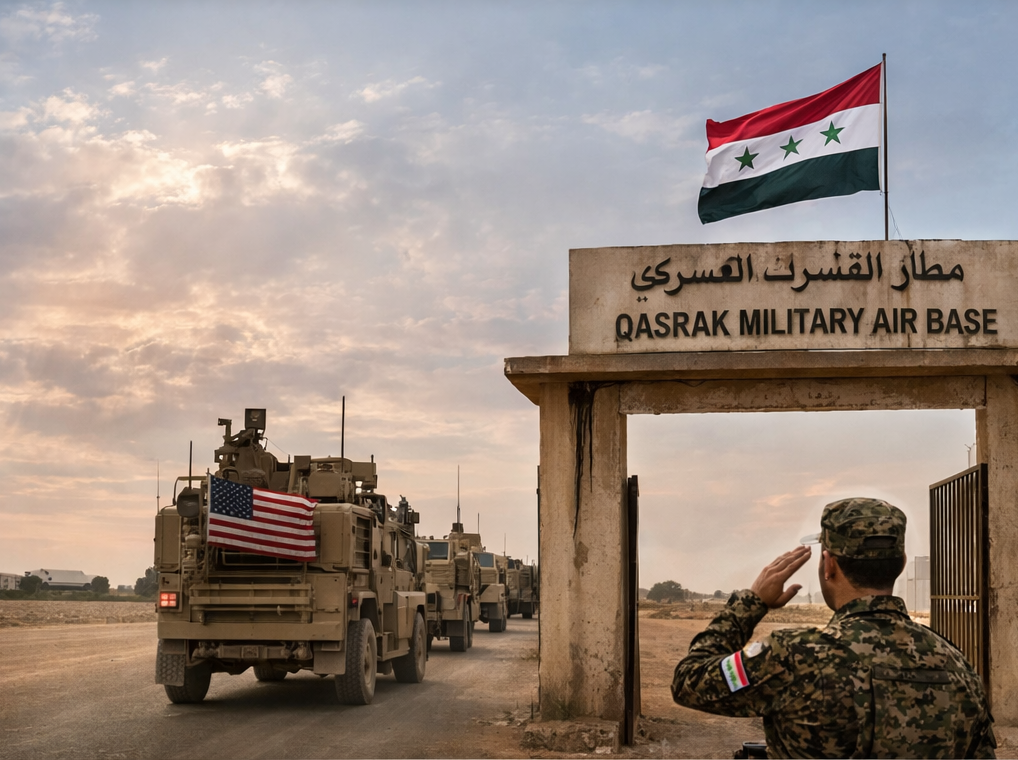
Syria has officially regained control of all military bases that were previously used by United States forces, marking a significant turning point in the country’s ongoing efforts to restore full sovereignty. The development comes after the final convoy of U.S. troops and military equipment departed from the Qasrak air base in the northeastern Hasakah province, bringing an end to a presence that began in 2014 during the height of the fight against ISIS.
The withdrawal represents more than just a military shift—it signals a broader political and strategic transformation within Syria. For years, U.S. forces had operated in the region alongside Kurdish-led fighters, particularly the Syrian Democratic Forces (SDF), to combat ISIS and maintain stability in key areas of northern and eastern Syria. Now, with the departure of American troops, the Syrian government has stepped in to reclaim authority over these regions.
According to Syrian officials, the transfer of control was carried out smoothly and in coordination with the United States. Authorities in Damascus described the move as a crucial step toward unifying the country under a single national structure. Regions such as Hasakah and Qamishli, which had long been outside direct government control, are now being reintegrated into the state system.
A key part of this transition involves the integration of Kurdish-led forces into Syria’s national military framework. The SDF, which previously operated with significant autonomy and U.S. support, has entered into an agreement with the Syrian government to merge its fighters into the national army. This move is seen as a strategic effort to stabilize the region and avoid further internal conflict.
Senior figures from the SDF leadership recently met with Syrian President Ahmed al-Sharaa in Damascus to finalize aspects of the integration process. Government officials, including the foreign minister and senior envoys, were also present during the discussions. The meeting highlighted a new phase of cooperation between former rivals, reflecting a shift in priorities as both sides aim to ensure long-term stability.
The transition follows months of negotiations and intermittent tensions between Syrian government forces and the SDF. Earlier this year, brief clashes broke out as government troops moved to assert control over key المناطق. However, a new agreement reached in March helped ease tensions and laid the groundwork for a coordinated handover of authority.
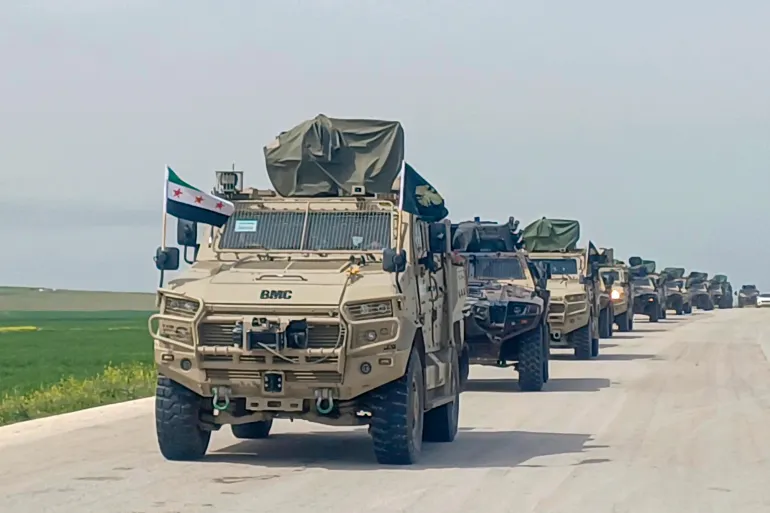
Image Credit: Courtesy of Al Jazeera
Under the terms of the deal, Syrian government forces have been deployed to major urban centers, while administrative control of border crossings and civilian institutions has been transferred to Damascus. This marks a major shift from the previous arrangement, where these areas were largely governed by Kurdish-led authorities with indirect U.S. backing.
The broader geopolitical context also played a role in the U.S. decision to withdraw. Syria’s participation in international efforts to combat ISIS has helped reshape its role on the global stage. What was once viewed as a complex and contested battleground is now gradually transitioning into a more centralized state structure, with the government seeking to position itself as a key partner in regional security efforts.
Analysts note that the withdrawal route of U.S. forces was carefully planned to minimize risks. The final convoy reportedly exited Syria through Jordan, avoiding routes that could expose troops to potential threats from armed groups operating in neighboring regions. This highlights the continued security challenges in the المنطقة, even as major military operations wind down.
For Syria, the reclaiming of these bases is both symbolic and strategic. It demonstrates progress toward reestablishing national control after years of fragmentation and conflict. At the same time, it raises new questions about the future of governance, security, and regional dynamics in areas that were once heavily influenced by foreign military presence.
As the country moves forward, the focus will likely shift to rebuilding infrastructure, strengthening state institutions, and ensuring stability in newly integrated regions. While challenges remain, the full handover of former U.S. bases represents a major milestone in Syria’s post-conflict transition and its efforts to redefine its role in the region.