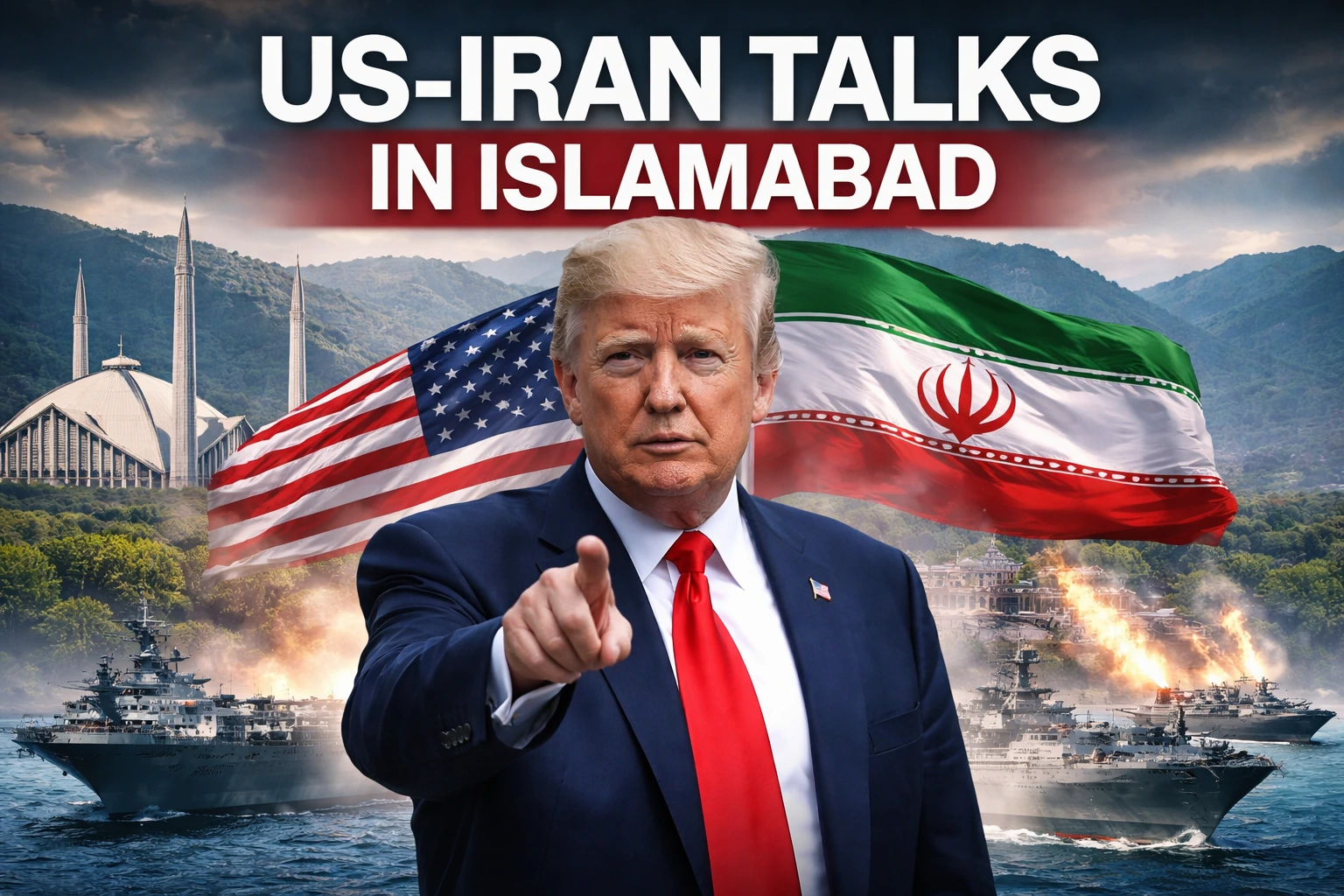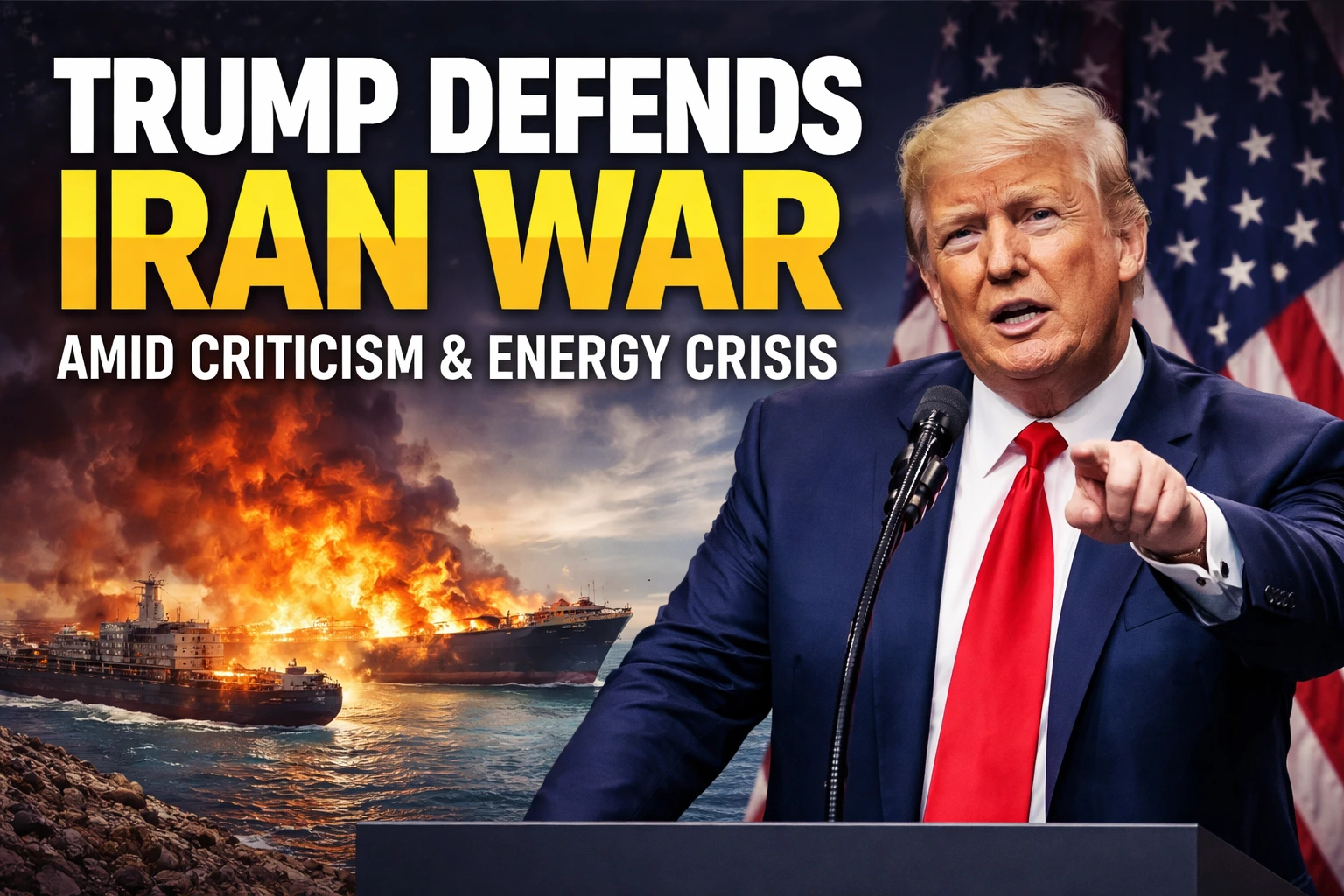
Donald Trump has firmly rejected claims that Israel influenced his decision to go to war with Iran, stating that the move was based on his long-standing stance against Tehran acquiring nuclear weapons.
In a recent social media statement, Trump emphasized that his decision was shaped by his own beliefs and concerns following the October 7 attacks. However, there remains no publicly confirmed evidence directly linking Iran to that attack. Even Tulsi Gabbard previously testified before Congress that Iran was not actively developing a nuclear weapon.
For months leading up to the conflict, Trump repeatedly claimed that U.S. strikes in June 2025 had severely damaged Iran’s nuclear capabilities. Despite this, critics argue that Iran did not pose an immediate threat, suggesting the war primarily served Israeli interests rather than those of the American public.
Tensions escalated significantly after joint U.S.-Israeli strikes reportedly killed Iran’s Supreme Leader Ali Khamenei along with senior officials and civilians. In response, Iran blocked the strategically vital Strait of Hormuz, triggering a sharp rise in global oil prices.
Impact on U.S. Economy and Public Opinion
The economic fallout has been immediate. Fuel prices in the United States surged past $4 per gallon, compared to under $3 before the conflict, worsening inflation and straining households. Public dissatisfaction has also grown, with recent polling showing that a majority of Americans disapprove of Trump’s handling of the war.
Political opponents, including Kamala Harris, have criticized Trump’s leadership, arguing that he was influenced by Israeli Prime Minister Benjamin Netanyahu and entered a conflict that lacked public support.
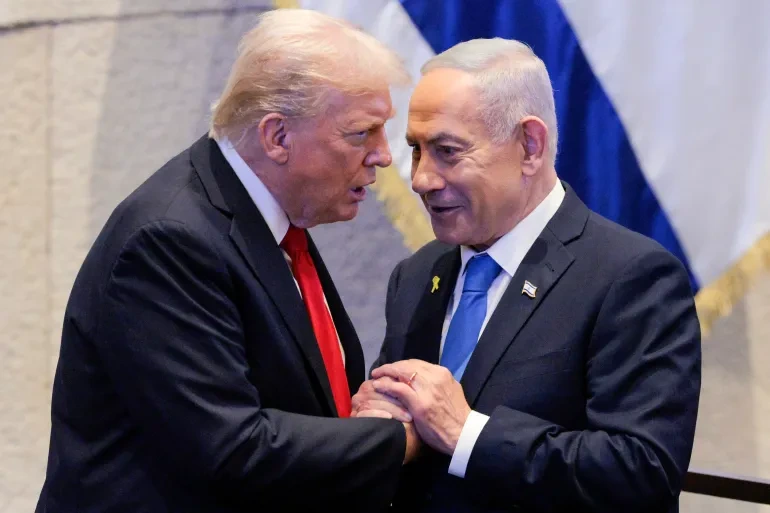
Image Credit: Courtesy of Al Jazeera
Shift in Foreign Policy Strategy
During his campaign, Trump positioned himself as a leader focused on ending ongoing wars. His administration’s national security strategy also indicated a shift away from Middle East conflicts toward priorities in the Western Hemisphere. However, continued pressure from Israel and its allies has kept tensions with Iran at the forefront.
Netanyahu’s frequent visits to the United States and strong advocacy for a tougher stance on Iran have further fueled speculation about the dynamics between the two leaders.
Ongoing Tensions and Future Outlook
Although a temporary truce has been reached, the situation remains fragile. Iran’s retaliatory actions, including regional strikes and the closure of key trade routes, disrupted global markets for weeks. Both Washington and Tehran have signaled that renewed conflict is possible if negotiations fail.
Trump remains optimistic about the long-term outcome, suggesting that political changes in Iran could lead to improved relations and economic recovery. Meanwhile, diplomatic talks are expected to continue, with the international community closely watching for any breakthrough or escalation.