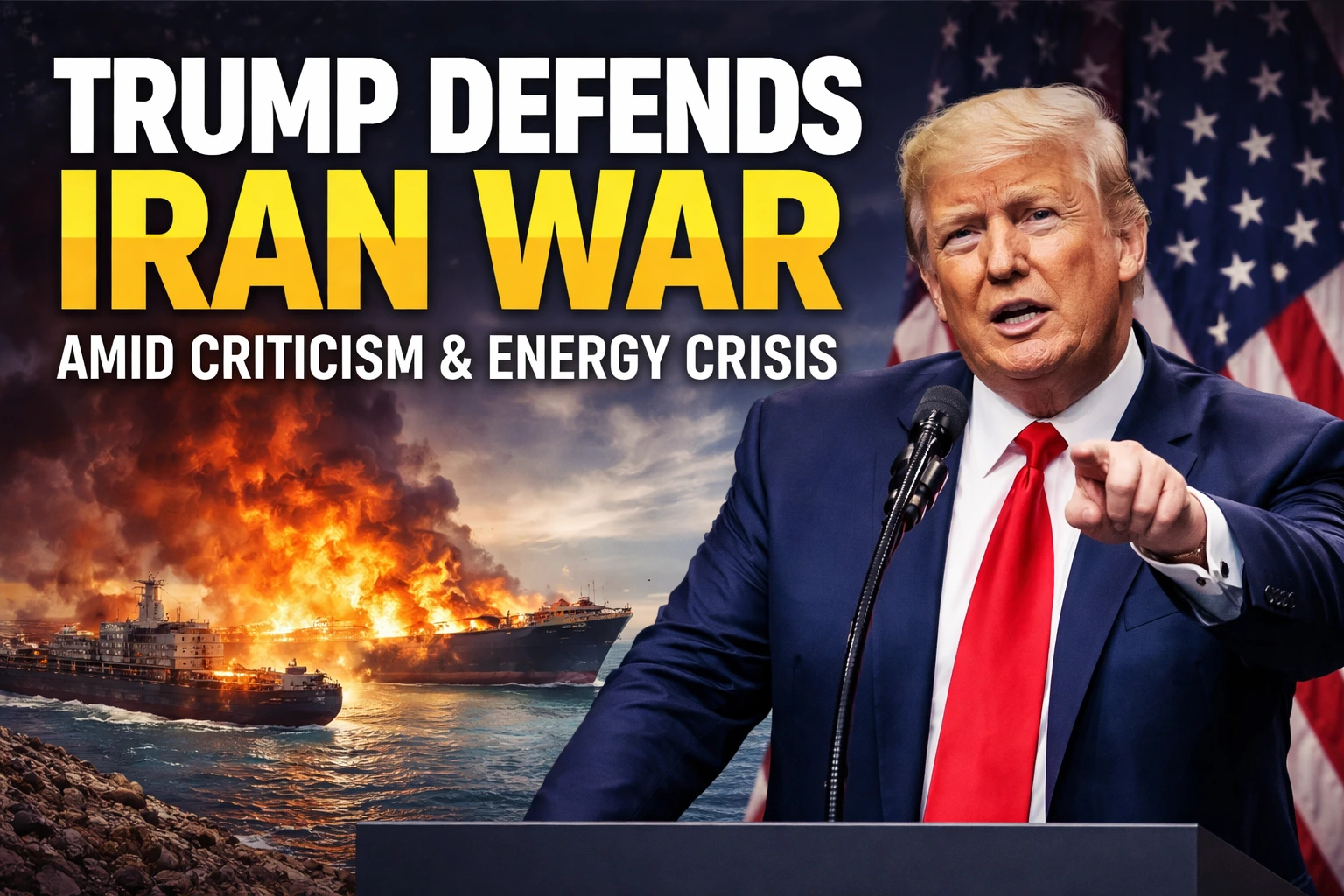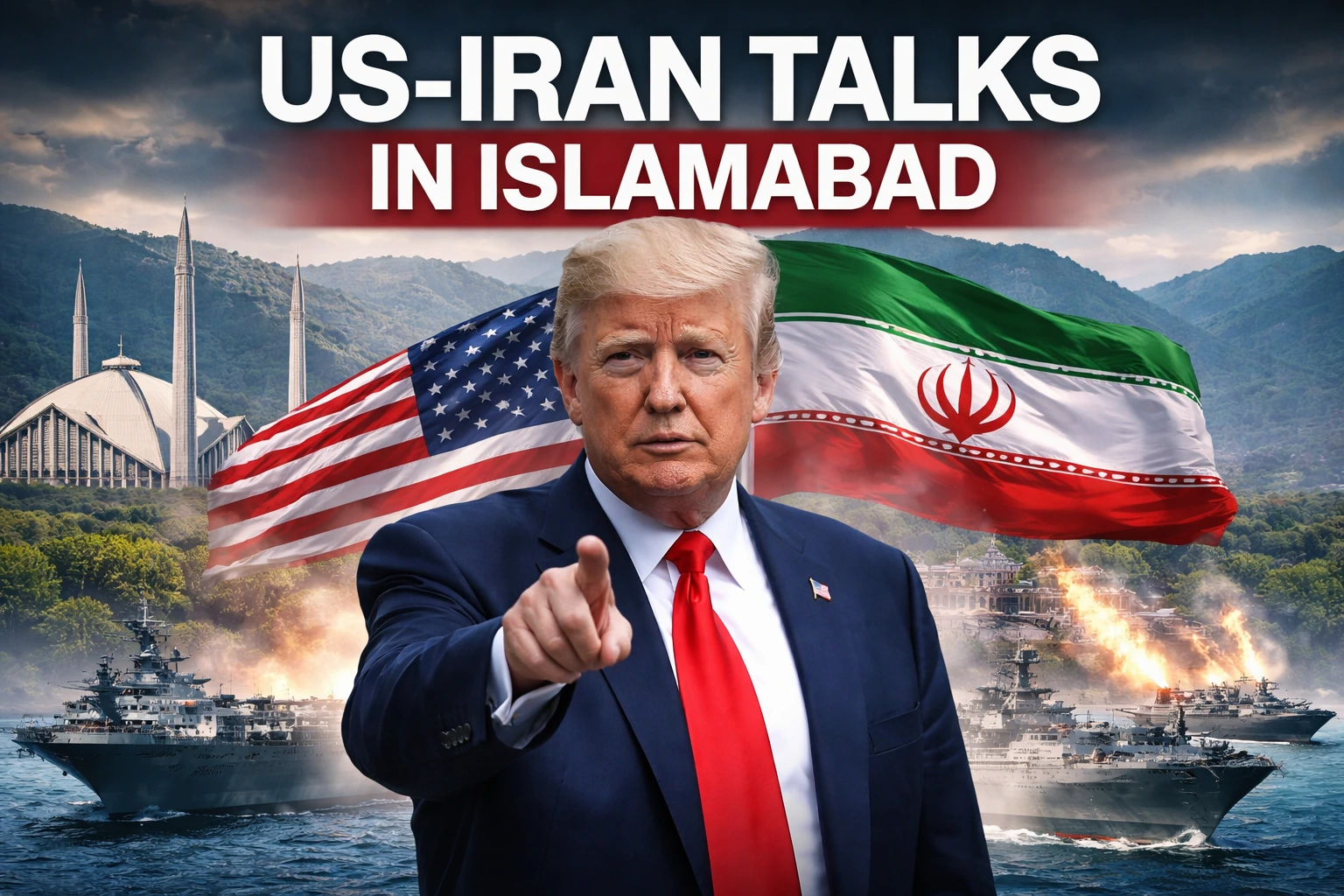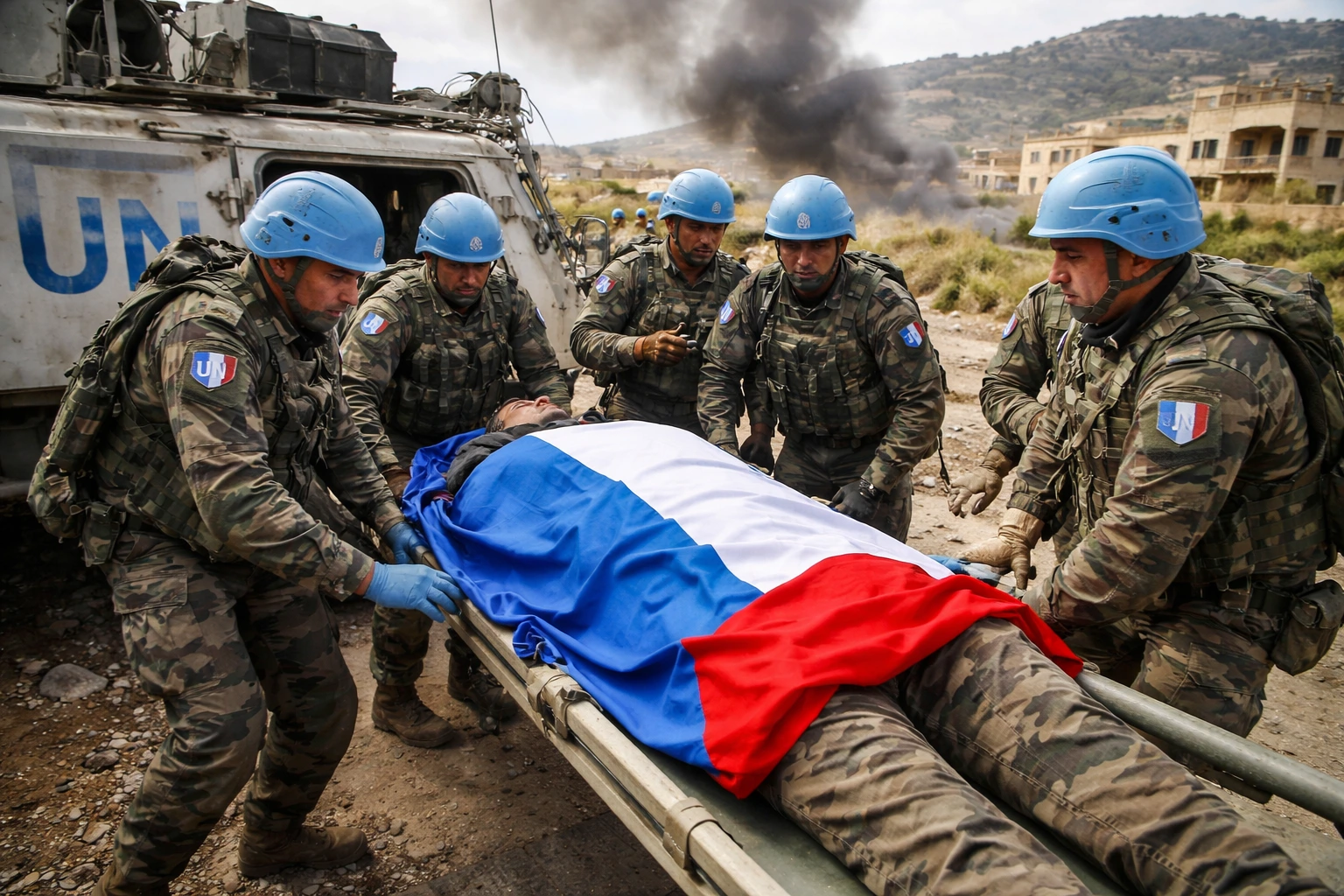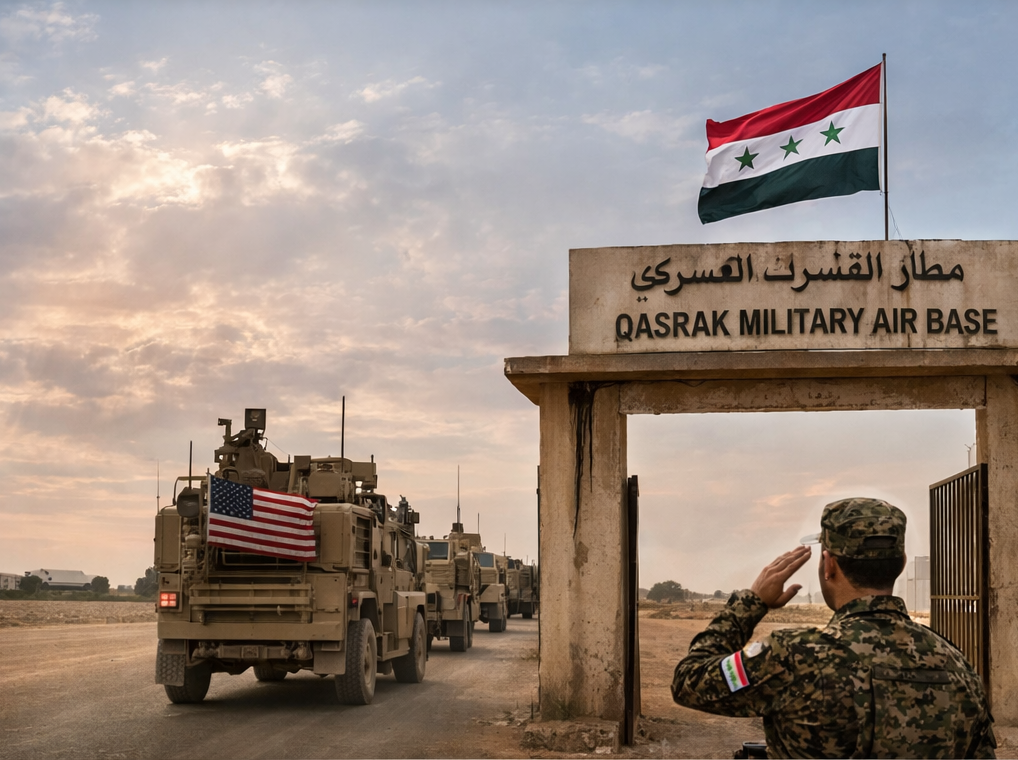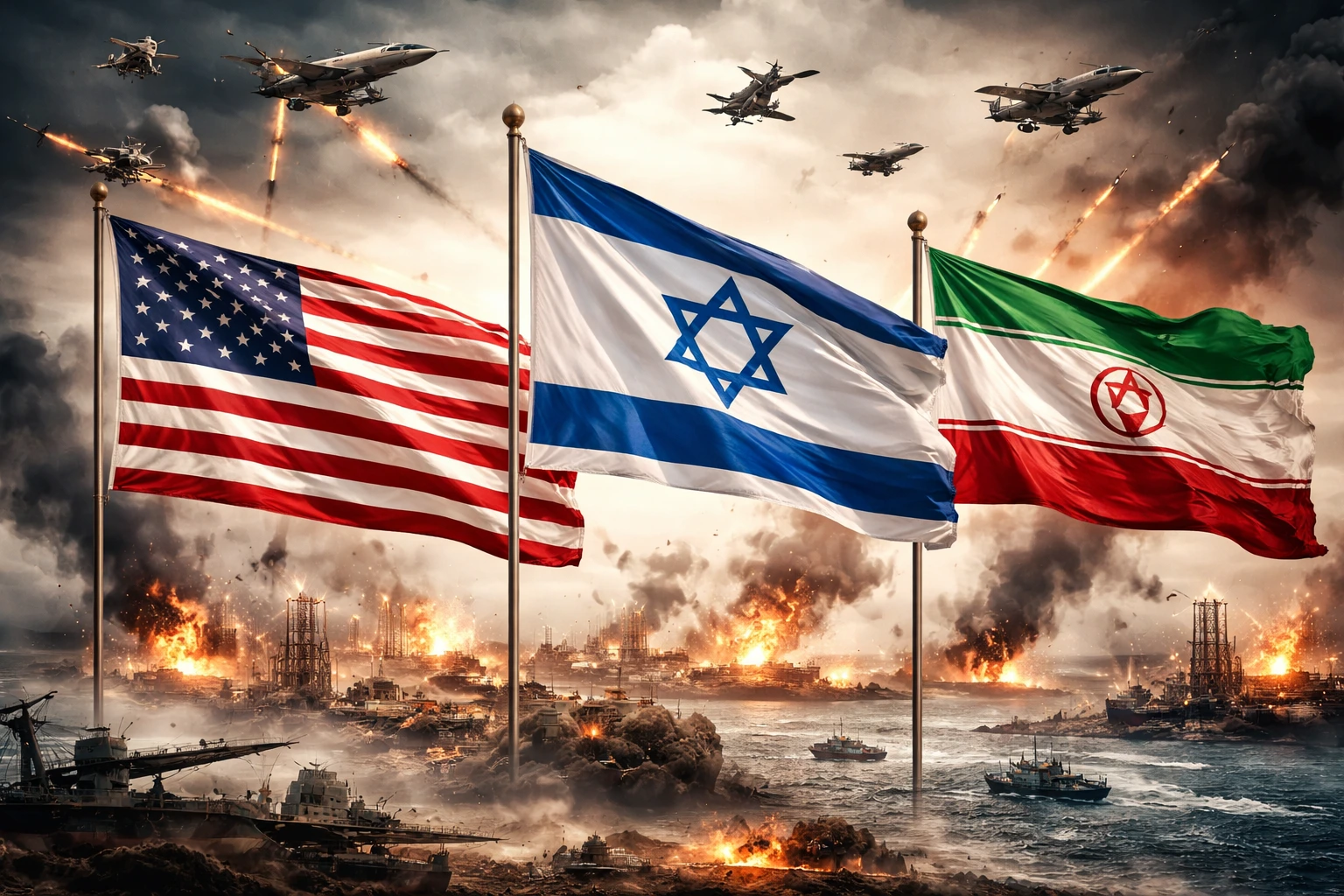
The recent military confrontation involving the United States, Israel, and Iran is far more than a limited conflict or another episode in long-standing regional tensions. It marks a defining moment for the global order, exposing the weaknesses of traditional geopolitical assumptions—especially the idea that neutrality and diplomacy can effectively contain modern conflicts.
From the earliest stages, it became clear that the world no longer operates under controlled escalation or carefully managed tensions. Instead, today’s geopolitical landscape is deeply interconnected, where regional conflicts can quickly trigger global consequences. Iran’s early strikes targeted US assets, Gulf energy infrastructure, and multiple countries across the region, immediately disrupting global markets and highlighting how fragile international stability has become.
The Collapse of Neutrality in Modern Conflicts
One of the most striking lessons from this war is the declining relevance of neutrality. In today’s Middle East, neutrality is no longer a practical option. The use of proxy forces, threats to maritime routes, and attacks on energy infrastructure mean that even countries trying to stay out of conflict are inevitably drawn in.
For example, states that invested heavily in diplomatic mediation found themselves directly affected within hours of the conflict’s outbreak. Energy production was disrupted, forcing major suppliers to halt operations. The ripple effects were immediate—European gas prices surged sharply, demonstrating how closely global economies are tied to Middle Eastern stability.
Global Divisions and Diplomatic Breakdown
The conflict also exposed deep fractures among major powers. Several Western allies showed hesitation in expanding military cooperation, while divisions within international institutions prevented a unified response. This lack of consensus underscores a growing challenge: there is no longer a shared global strategy for dealing with complex regional threats.
Two Competing Approaches: Ceasefire vs Regime Change
The crisis has reignited a long-standing debate between two major strategic approaches:
1. The Ceasefire and Containment Approach
Supporters of this view argue that war only amplifies instability. Past interventions in the Middle East have shown that removing regimes often leads to prolonged chaos and institutional collapse. From this perspective, maintaining relative stability—even with difficult governments—is preferable to unpredictable disorder.
However, this strategy faces a major challenge. It assumes that Iran can be contained through traditional diplomacy, an assumption that recent actions have put into question.
2. The Regime Change Argument
The opposing camp believes the conflict has revealed deeper systemic issues. They argue that decades of diplomacy and sanctions have failed to limit Iran’s regional influence or military capabilities. From this standpoint, only structural change within the regime can address the root problem.
Yet this approach carries significant risks. Past examples show that removing a government does not guarantee stability. Without a clear plan for what follows, regime change could create even greater instability than the current situation.

Image Credit: Courtesy of Al Jazeera
A New Era of Complex Threats
This war highlights a broader transformation in global security threats. Modern conflicts are no longer confined to traditional battlefields. They now involve a mix of military operations, cyberattacks, economic pressure, and disruptions to global trade routes.
These interconnected threats make it increasingly difficult for conventional tools—whether military force or diplomacy—to resolve crises effectively.
A Critical Global Dilemma
The world now faces a difficult question:
How can it address a regime widely seen as destabilizing without triggering even greater chaos through attempts to change it?
Simply calling for a ceasefire without tackling underlying issues may only delay future conflict. On the other hand, pursuing aggressive transformation without a clear long-term strategy could lead to widespread instability.
Conclusion: A Turning Point for the International System
The US–Israel–Iran conflict signals the end of the geopolitical “grey zone” where countries could balance between neutrality and engagement. Moving forward, nations will likely be forced to choose between two paths: cautious containment or decisive intervention.
Either choice carries significant consequences—not just for the Middle East, but for the entire global order. As this new reality unfolds, the cost of inaction or miscalculation may be higher than ever before.