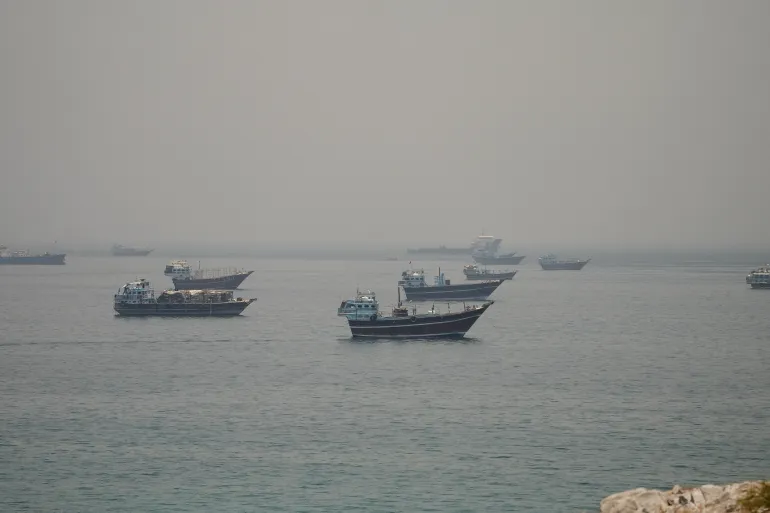
Indian sailors face growing dangers in the Strait of Hormuz as US-Iran tensions escalate, raising concerns over maritime safety.
Indian Sailors Caught in the Crossfire of the Strait of Hormuz Crisis
The Strait of Hormuz has once again become one of the world’s most dangerous maritime routes. While diplomatic efforts between the United States and Iran appear to be moving toward a temporary understanding, the reality for thousands of sailors working in the region remains grim. Recent attacks on commercial vessels have highlighted the severe risks facing merchant seafarers, particularly Indian sailors who make up a significant portion of the global maritime workforce.
In recent days, several commercial ships carrying Indian crew members were targeted in the Gulf region, resulting in the deaths of multiple Indian sailors. These incidents have sparked concern within India and across the international maritime community. As tensions continue to affect one of the world’s busiest shipping corridors, questions are being raised about the safety of civilian vessels and the protection of innocent crew members.
The Strait of Hormuz serves as a critical gateway for global energy supplies. Millions of barrels of oil pass through this narrow waterway every day, making it strategically important for international trade. Any disruption in this region can impact global markets, shipping operations, and the lives of thousands of seafarers.
According to reports, three commercial vessels carrying Indian crew members were struck during military operations aimed at enforcing restrictions on Iranian oil shipments. One vessel suffered severe damage after being hit near its engine room, forcing the crew to issue distress calls. Rescue teams later evacuated the sailors from the damaged ship.
Another vessel was reportedly attacked shortly afterward, resulting in the deaths of three Indian crew members. Additional incidents involving ships with Indian sailors have further increased concerns among maritime organizations and shipping unions.
The loss of life has prompted strong reactions from Indian authorities. Government officials have expressed concern over the repeated targeting of ships carrying Indian nationals. Diplomatic discussions have been initiated to seek explanations and ensure greater protection for Indian seafarers operating in conflict-prone waters.
Indian sailors have faced growing dangers throughout the recent escalation in the Gulf region. Since the beginning of the conflict, several incidents involving commercial vessels have resulted in injuries, fatalities, and significant property damage. Merchant ships operating near Oman and the Strait of Hormuz have repeatedly found themselves exposed to military actions despite being civilian vessels.
The situation has created widespread anxiety among maritime workers. Many sailors report feeling vulnerable while navigating waters that have become increasingly militarized. Shipping unions and maritime associations have called for stronger international measures to protect commercial crews and ensure safe passage through the region.
International maritime law generally supports the principle of freedom of navigation through strategic waterways such as the Strait of Hormuz. Commercial vessels are typically granted the right to transit through these routes, provided they are not engaged in hostile activities. Additionally, international humanitarian law places significant emphasis on protecting civilian lives during armed conflicts.
Legal experts continue to debate whether attacks on commercial ships involved in sanctioned trade activities can be justified under wartime enforcement measures. While some argue that military forces may intercept or disable vessels under specific circumstances, many experts stress that any action resulting in civilian casualties raises serious concerns regarding proportionality and compliance with international law.
India is one of the world’s largest suppliers of skilled maritime personnel. More than 300,000 Indian seafarers work aboard international vessels, contributing significantly to global shipping operations. The safety of these workers has become a growing national concern as geopolitical tensions increasingly affect major trade routes.
Indian maritime regulations provide legal protections and compensation mechanisms for seafarers injured or killed while serving aboard ships. However, legal remedies often come after tragedy strikes and do little to prevent attacks from occurring in the first place.
Industry experts argue that stronger international cooperation is needed to safeguard commercial shipping in conflict zones. Multinational naval patrols, enhanced diplomatic engagement, and clearer enforcement protocols could help reduce risks for civilian crews operating in high-threat environments.
As negotiations continue between global powers, thousands of sailors remain at sea, navigating uncertain and dangerous waters. For many Indian seafarers and their families, hopes for regional peace are closely tied to the simple desire for a safe journey home. Until lasting stability returns to the Strait of Hormuz, merchant sailors will continue to bear the human cost of geopolitical conflict.
The recent deaths of Indian sailors serve as a stark reminder that international disputes can have devastating consequences far beyond political negotiations. Ensuring the safety of civilian mariners must remain a priority for all nations involved in maintaining peace and security along the world’s most vital shipping lanes.