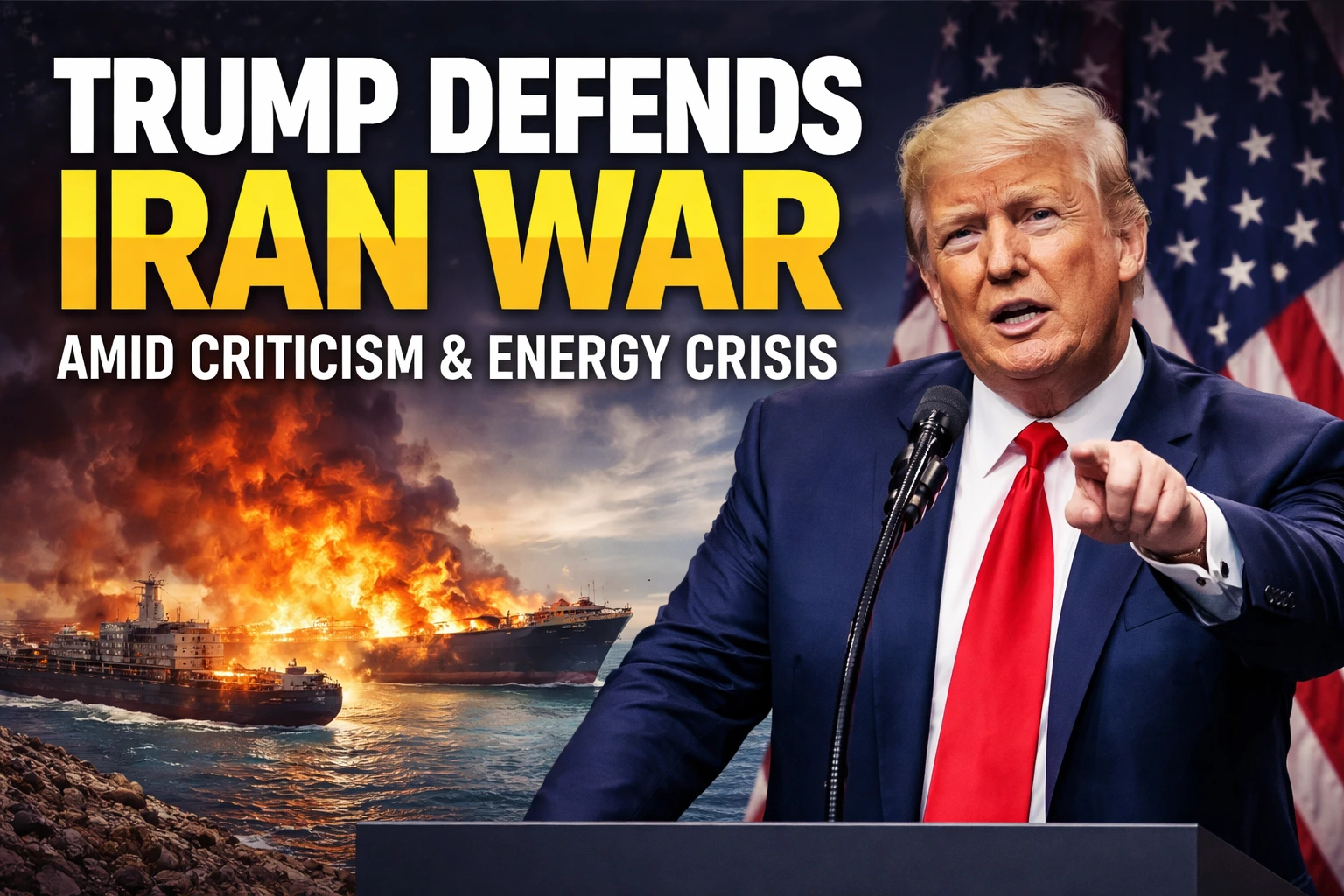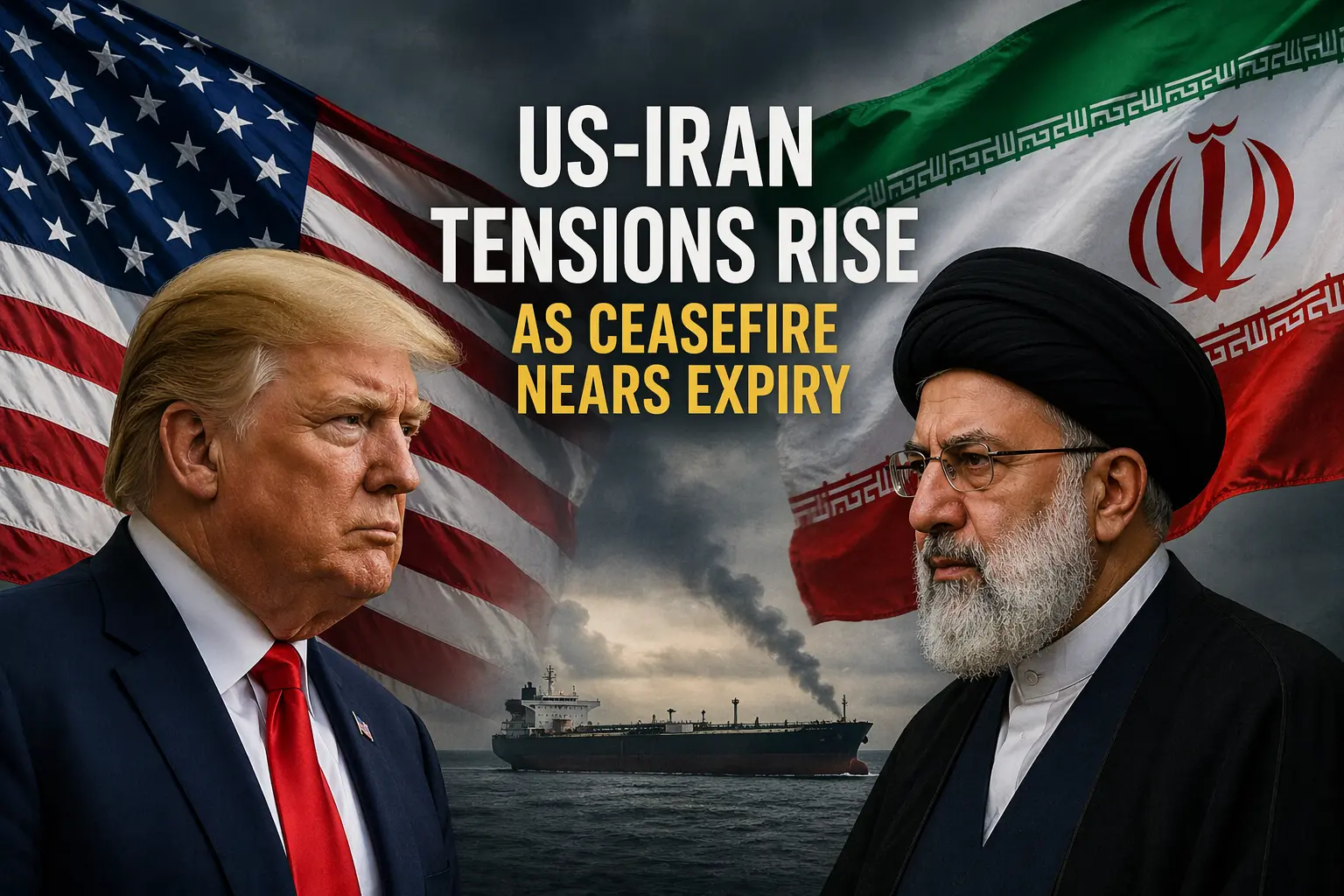
Tensions between the United States and Iran are intensifying as a fragile two-week ceasefire approaches its expiration, raising fears of renewed conflict. Iranian Parliament Speaker Mohammad Bagher Ghalibaf warned that Tehran is ready to “reveal new cards on the battlefield” if diplomacy fails. His remarks came after U.S. President Donald Trump issued a stark warning, saying Iran could face unprecedented consequences if no agreement is reached before the ceasefire deadline.
The escalating rhetoric follows a controversial U.S. move to seize an Iranian-flagged vessel near the strategically critical Strait of Hormuz. The incident has further strained relations and triggered a spike in global oil prices, highlighting the economic risks tied to the standoff.
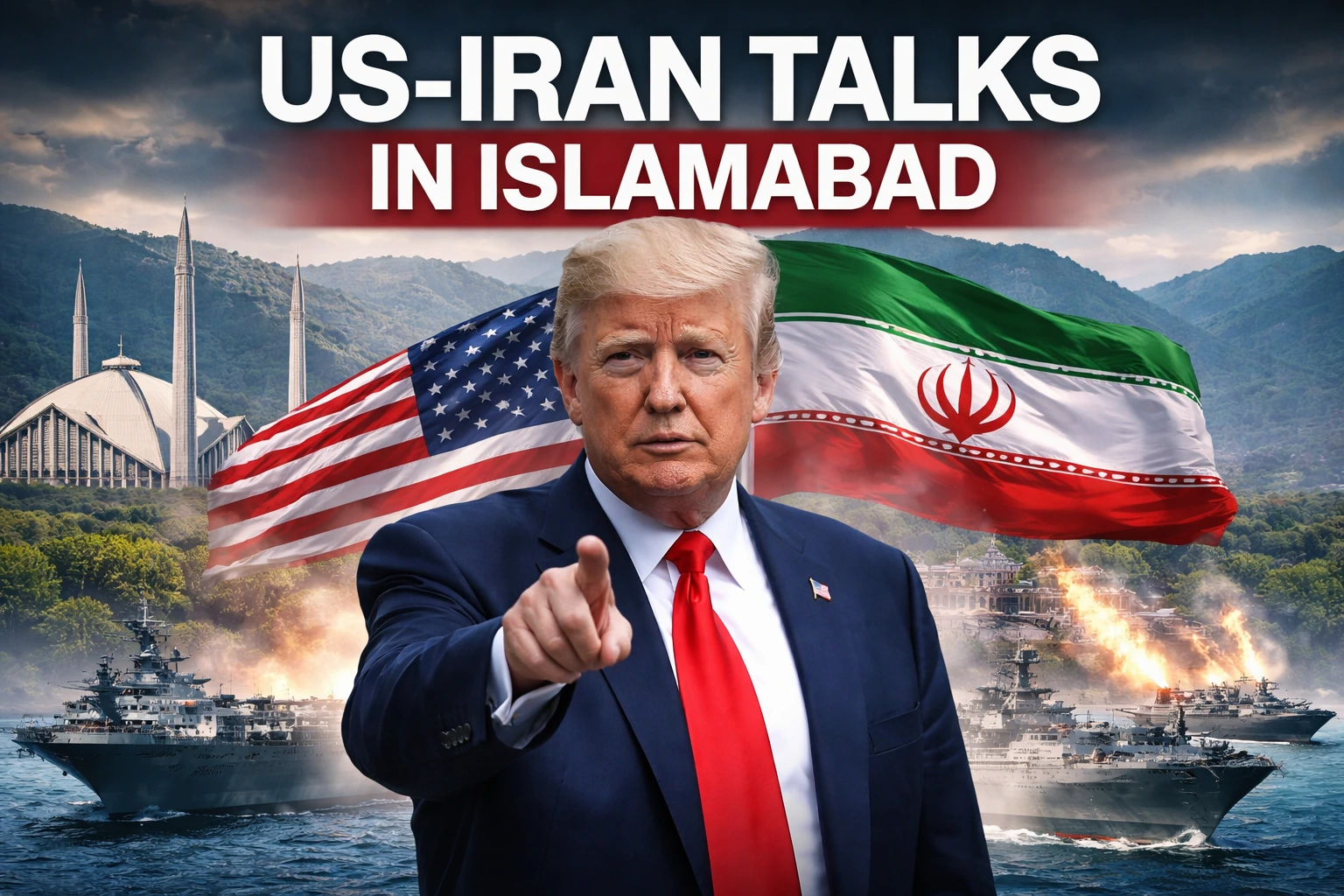
Planned peace talks between the two nations, expected to take place in Islamabad, now remain uncertain. While Iran has signaled it may still be open to diplomacy, officials insist negotiations cannot proceed under pressure or threats. Analysts describe Iran’s position as a balancing act—keeping diplomatic options alive while resisting external demands.
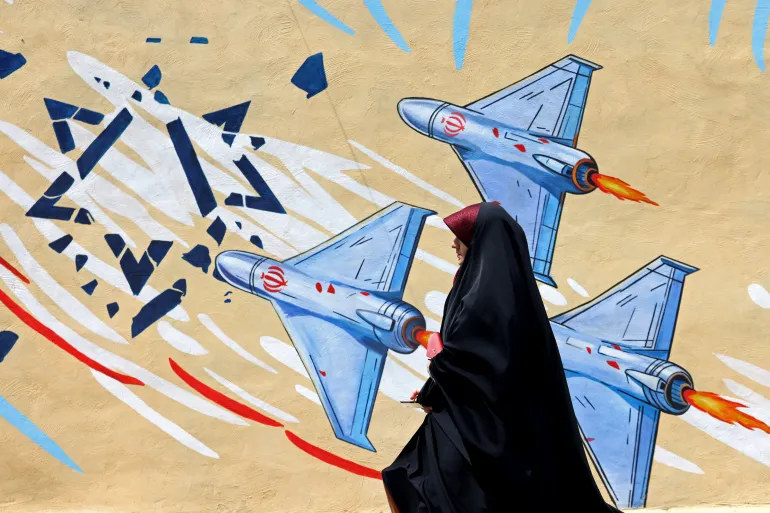
Image Credit: Courtesy of Al Jazeera
Key issues complicating any potential agreement include sanctions, military activities, control over strategic waterways, war reparations, and Iran’s missile program. Both sides reportedly hold firm on their demands, making a breakthrough increasingly difficult.
Meanwhile, Trump has expressed confidence that Iran will eventually return to negotiations, but he also warned of severe consequences if talks collapse. He reiterated concerns over Iran’s nuclear ambitions, stating that preventing the country from developing nuclear weapons remains a top priority.
With the ceasefire deadline looming, uncertainty continues to grow. The coming days are likely to be critical in determining whether diplomacy prevails or tensions escalate into a broader conflict.