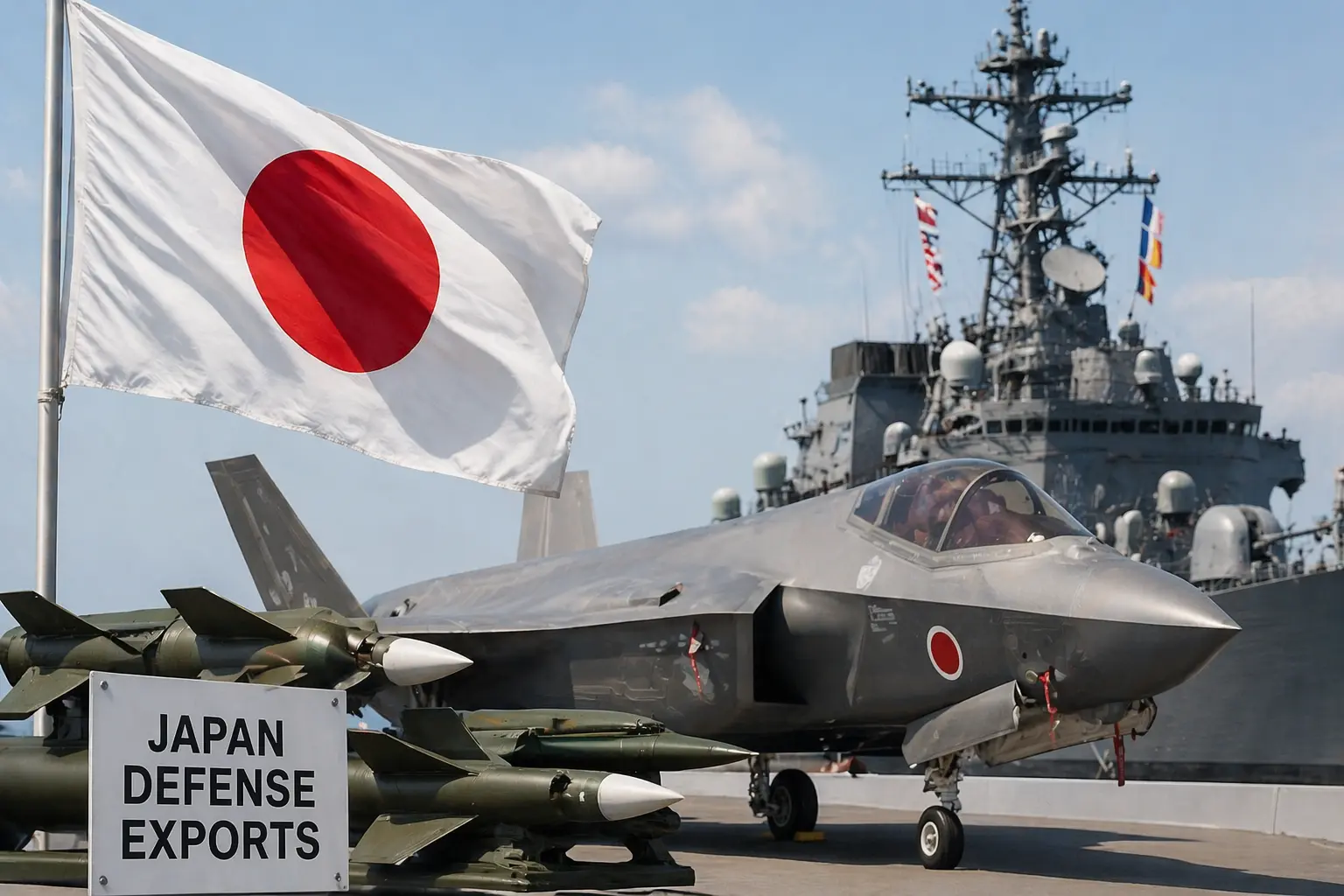
Japan has taken a historic step by lifting its long-standing ban on exporting lethal weapons, signaling a major shift away from the pacifist principles adopted after World War II. The move, led by Prime Minister Sanae Takaichi, opens the door for Japan to sell advanced military equipment overseas, including fighter jets, missiles, and warships.
In a public announcement, Takaichi confirmed that the revised policy would allow broader transfers of defense equipment. However, exports will be limited to countries that commit to using them in accordance with international law, particularly the principles of the United Nations. She emphasized that in today’s increasingly complex security environment, no single nation can ensure its safety alone.
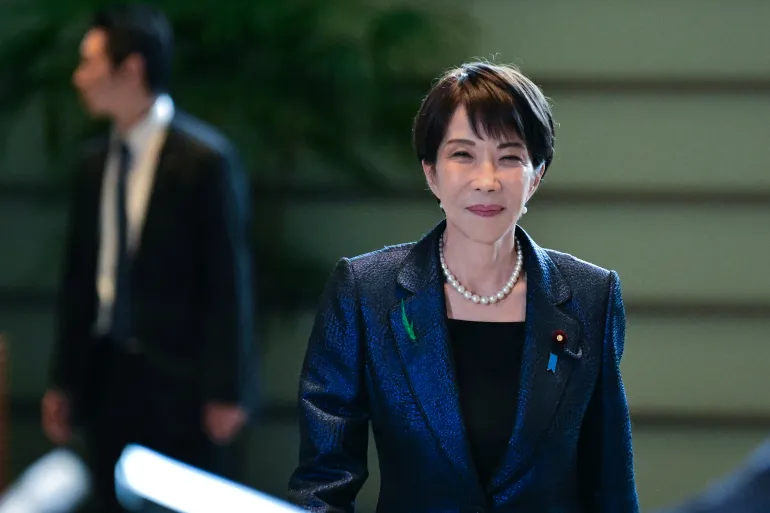
Image Credit: Courtesy of Al Jazeera
Under the updated framework, at least 17 countries are expected to be eligible to purchase Japanese-made weapons. Potential buyers include Australia, New Zealand, Philippines, and Indonesia. The list may expand as Japan strengthens defense partnerships through bilateral agreements.
Previously, Japan’s export rules—established in 1967 and enforced in 1976—restricted the country to supplying only non-lethal military equipment, such as surveillance systems and mine-clearing tools. While the new policy broadens export capabilities, restrictions remain in place for countries actively engaged in conflict, except in special cases tied to Japan’s national security interests.
The policy shift follows a major defense agreement with Australia, under which Mitsubishi Heavy Industries will build the first three of 11 warships for the Australian navy as part of a multi-billion-dollar deal.
At the same time, controversy surrounds Takaichi’s reported ritual offering to the Yasukuni Shrine during its spring festival. The shrine, which commemorates Japan’s war dead—including convicted war criminals—has long been a sensitive issue, particularly for China and South Korea.
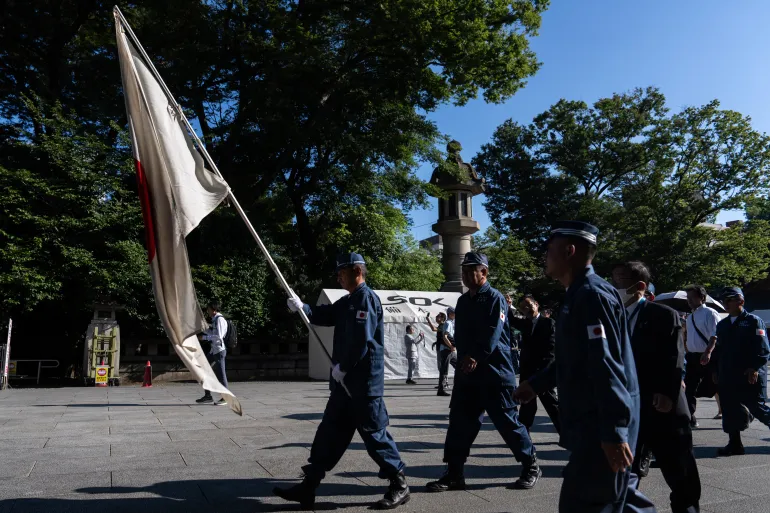
Image Credit: Courtesy of Al Jazeera
Following the announcement, China strongly criticized Japan’s move, warning against what it described as “reckless militarization.” Chinese officials stated that the international community would remain vigilant and oppose any actions that could destabilize regional security.
This policy change marks a turning point in Japan’s defense strategy, reflecting a shift toward a more active role in global security while balancing historical sensitivities and regional concerns.