Narendra Modi faces renewed criticism over India’s press freedom after avoiding media questions during his Norway visit amid concerns about human rights and journalism.
Modi Faces Fresh Questions Over India’s Press Freedom During Norway Visit
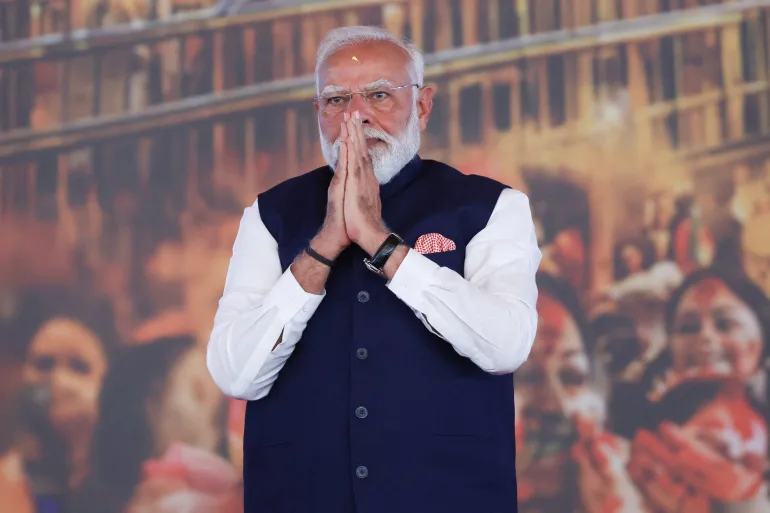
Indian Prime Minister Narendra Modi is once again facing criticism over press freedom and media transparency after an uncomfortable moment with a journalist during his recent visit to Norway. The incident has sparked international debate about the state of journalism and democratic accountability in India, which currently ranks 157th out of 180 countries in the 2026 World Press Freedom Index.
During a joint media appearance with Norwegian Prime Minister Jonas Gahr Støre, Modi did not take any questions from reporters. As the event concluded, a Norwegian journalist asked why he avoided questions from “the freest press in the world.” Modi walked away without responding, a moment that quickly gained attention online and reignited criticism of his media engagement style.
The exchange became widely discussed because Modi has rarely participated in open press conferences since becoming prime minister in 2014. Despite serving for more than a decade, he has not held a full press conference in India where journalists could ask unscripted questions. Critics argue that this weakens democratic accountability and limits opportunities for independent scrutiny.
The same journalist later questioned a senior Indian foreign affairs official about concerns surrounding human rights and the treatment of minorities in India. Instead of directly answering, the official highlighted India’s ancient civilization, contributions to mathematics, yoga, and its global vaccine outreach during the COVID-19 pandemic. When interrupted and asked again about human rights, the official appeared visibly frustrated and defended India’s democratic system and constitutional protections.
The incident led to heated reactions across social media. Supporters of the government defended the response and accused foreign journalists of bias, while critics argued that difficult questions are a normal and necessary part of democratic journalism. Many journalists and political analysts said the controversy reflected a larger issue involving the shrinking space for independent media in India.
Opposition leader Rahul Gandhi also criticized Modi’s refusal to answer questions. He stated that leaders should not fear open media interaction and argued that transparency strengthens public trust in democratic institutions.
Concerns about press freedom in India have grown steadily in recent years. International media watchdogs and journalist organizations have repeatedly raised alarms about increasing pressure on reporters and news organizations. Critics point to online harassment, legal intimidation, tax investigations, and restrictive laws being used against journalists and independent media outlets.
Journalists who ask sensitive questions related to religion, minority rights, or government accountability often face trolling campaigns online. Women journalists and reporters from minority communities have reportedly faced especially aggressive harassment on social media platforms.
Observers say the atmosphere has created growing self-censorship among sections of the Indian media. Some reporters avoid controversial topics due to fears of legal action, online abuse, or professional consequences. Media experts warn that such conditions can weaken investigative journalism and reduce public access to independent reporting.
India’s government, however, strongly rejects accusations that press freedom is under threat. Officials regularly state that India remains a vibrant democracy with constitutional protections for free speech and a highly diverse media landscape. Government supporters also argue that criticism from Western organizations often ignores India’s scale, complexity, and political diversity.
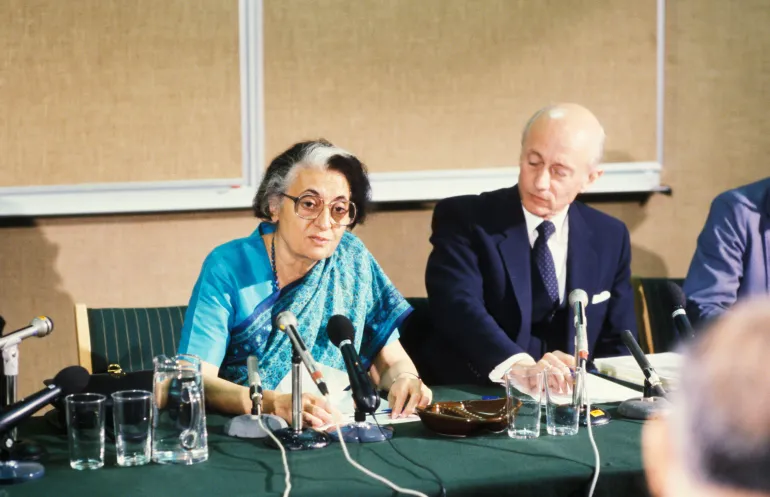
The debate surrounding Modi’s Norway visit also highlighted differences in political communication styles between leaders. Former Indian Prime Minister Manmohan Singh frequently addressed open press conferences both in India and abroad, while former Prime Minister Indira Gandhi also took questions during international visits.
Media analysts say that open interaction with journalists remains an important democratic tradition because it allows leaders to clarify policies, respond to criticism, and build public confidence. Avoiding unscripted questioning, they argue, can create perceptions of secrecy and weaken trust.
The Norway incident has now become part of a larger global conversation about press freedom, political accountability, and the role of independent journalism in democracies. As international attention grows, discussions around India’s media environment and democratic institutions are likely to continue in the coming months.