Lebanon’s economy is struggling under renewed conflict, soaring fuel prices, inflation, and displacement as war and financial crises deepen nationwide hardship.
Lebanon’s Economy Struggles Under Renewed War and Global Fuel Crisis
Lebanon is once again facing severe economic hardship as renewed conflict and rising global fuel prices place enormous pressure on businesses and families already weakened by years of instability. The country, which had shown small signs of recovery in 2025, is now dealing with worsening inflation, business closures, displacement, and growing fears of long-term economic collapse.
For many Lebanese citizens, daily life has become increasingly difficult. Small business owners are struggling to survive as operating costs continue to rise. Fuel shortages and higher oil prices have affected nearly every sector, from transportation to food supplies and electricity generation.
In Beirut’s Furn el-Shebbak neighborhood, barber Mario Habib has witnessed these changes firsthand. He opened his shop nearly two decades ago during another period of conflict and now finds himself facing similar challenges once again. Although customers still visit his barber shop regularly, the rising cost of fuel, electricity, and imported products has reduced his profits significantly.
Generators, which many Lebanese businesses rely on because of unreliable electricity services, have become far more expensive to operate. Petrol prices have sharply increased, while supermarkets and suppliers continue raising prices. Despite these financial pressures, many small business owners are reluctant to pass the burden onto customers who are also struggling financially.
Lebanon’s economic troubles did not begin with the latest war. The country has been dealing with a devastating financial crisis since 2019, when years of corruption and economic mismanagement caused the banking system to collapse. Millions of people lost access to their savings, and the Lebanese currency lost most of its value.
The situation became even worse after the Beirut port explosion in 2020, one of the largest non-nuclear explosions in history. The disaster killed hundreds of people, destroyed large sections of the capital, and further damaged public trust in government institutions.
Since then, many Lebanese citizens have emigrated in search of work and stability abroad. Essential public services such as healthcare, electricity, and transportation have deteriorated significantly, leaving ordinary citizens to cope with mounting costs and limited opportunities.
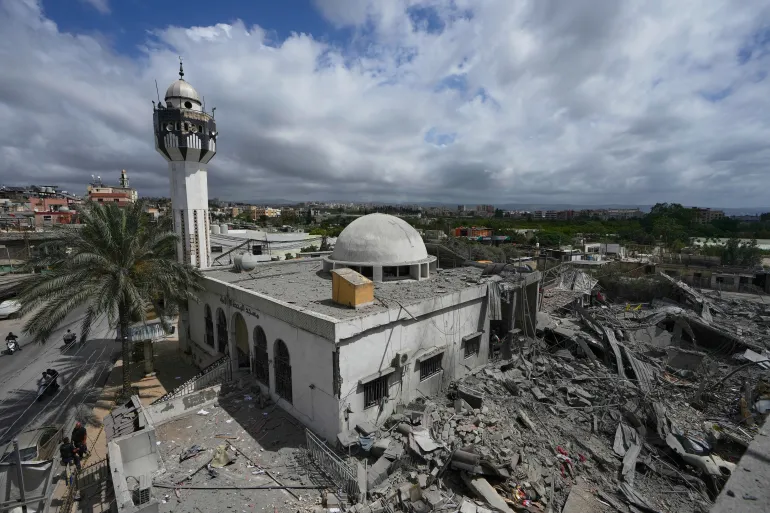
The conflict that erupted in late 2023 between Hezbollah and Israel added another layer of destruction. Thousands of homes and businesses were damaged, especially in southern Lebanon, eastern Bekaa Valley, and Beirut’s southern suburbs. Large parts of the country experienced displacement as families fled bombardments and insecurity.
Although a ceasefire in late 2024 briefly raised hopes for economic recovery, the return of fighting in 2026 erased much of that progress. More than one million people have reportedly been displaced again, while entire villages in southern Lebanon have suffered widespread destruction.
At the same time, the broader regional conflict involving Iran and the United States has intensified global energy concerns. The closure and blockade around the Strait of Hormuz disrupted oil shipments from the Gulf region, causing fuel prices to surge across international markets. Lebanon, which relies heavily on imported fuel, has been among the countries most affected.
Economic experts warn that the country may be approaching a breaking point. Inflation reached its highest level in over a year, while financial institutions now predict zero economic growth if the conflict continues throughout 2026.
The damage extends beyond businesses and government finances. Agriculture, tourism, and commerce — sectors that employ large numbers of low-income workers — have suffered enormous losses. Informal workers and vulnerable families are particularly at risk as incomes shrink and prices continue rising.
Remittances from Lebanese citizens working abroad have traditionally supported the economy, especially during times of crisis. However, higher oil prices and economic pressure in Gulf countries may reduce the amount of money sent back home, creating additional hardship for families that depend on those funds.
Beyond the economic devastation, analysts are also concerned about growing social divisions inside Lebanon. Displacement caused by the war has forced communities to relocate into unfamiliar regions, increasing tensions in some areas. Political observers fear that worsening economic conditions could deepen sectarian divisions and fuel political instability.
Experts say Lebanon’s overlapping crises — war, financial collapse, inflation, displacement, and institutional failure — are creating one of the most difficult periods in the country’s modern history. Many fear that without stability, international support, and meaningful reforms, Lebanon could face even greater economic decline in the years ahead.
Despite the uncertainty, many Lebanese citizens continue trying to preserve a sense of normal life. Small business owners, workers, and families are adapting as best they can, even while confronting rising prices, insecurity, and an uncertain future.