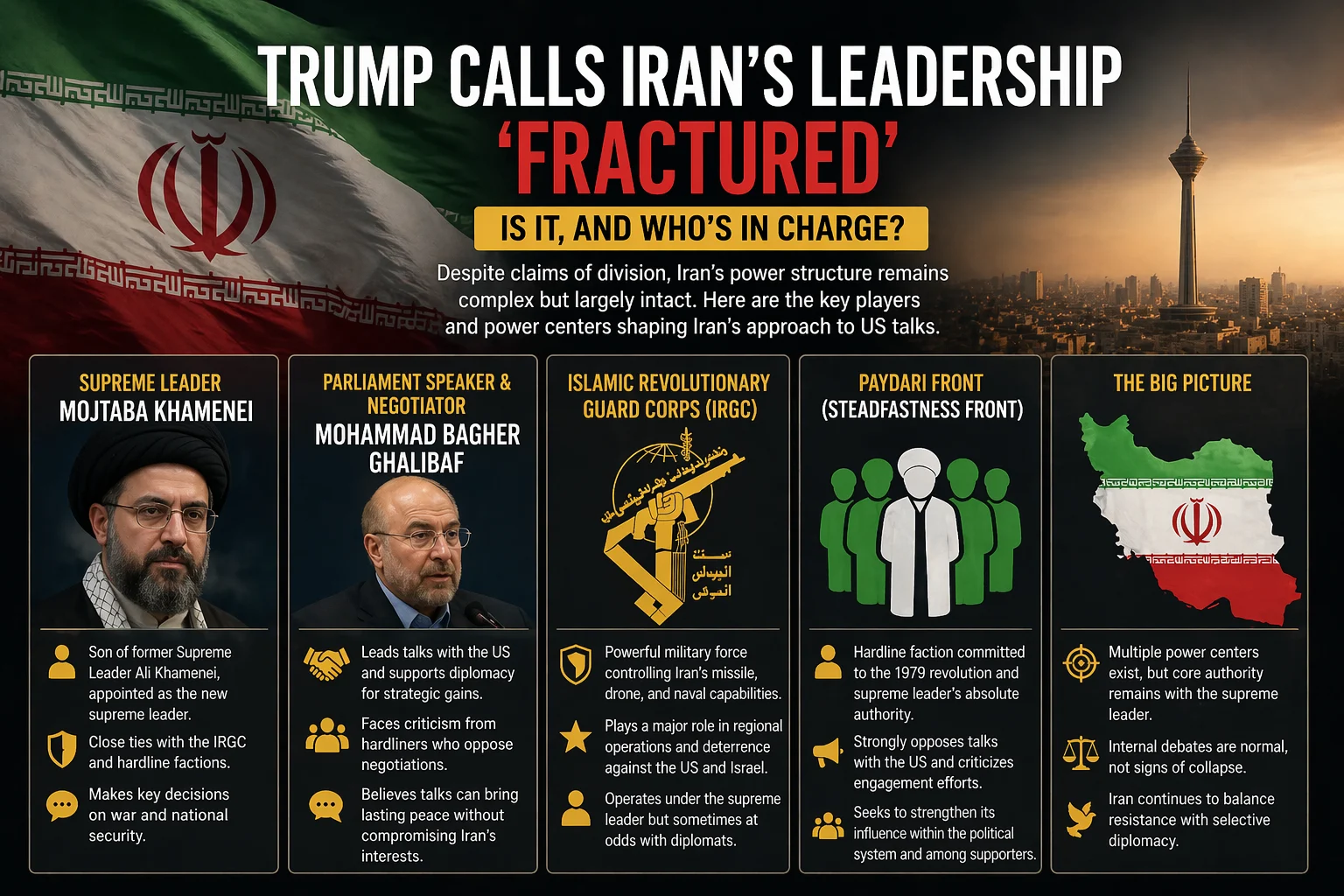
More than 50 days into the Iran war, claims that the country’s leadership is “fractured” remain largely unproven. While Donald Trump has described Iran’s government as divided, analysts and available evidence suggest that Tehran’s power structure is still functioning—though complex and internally competitive.
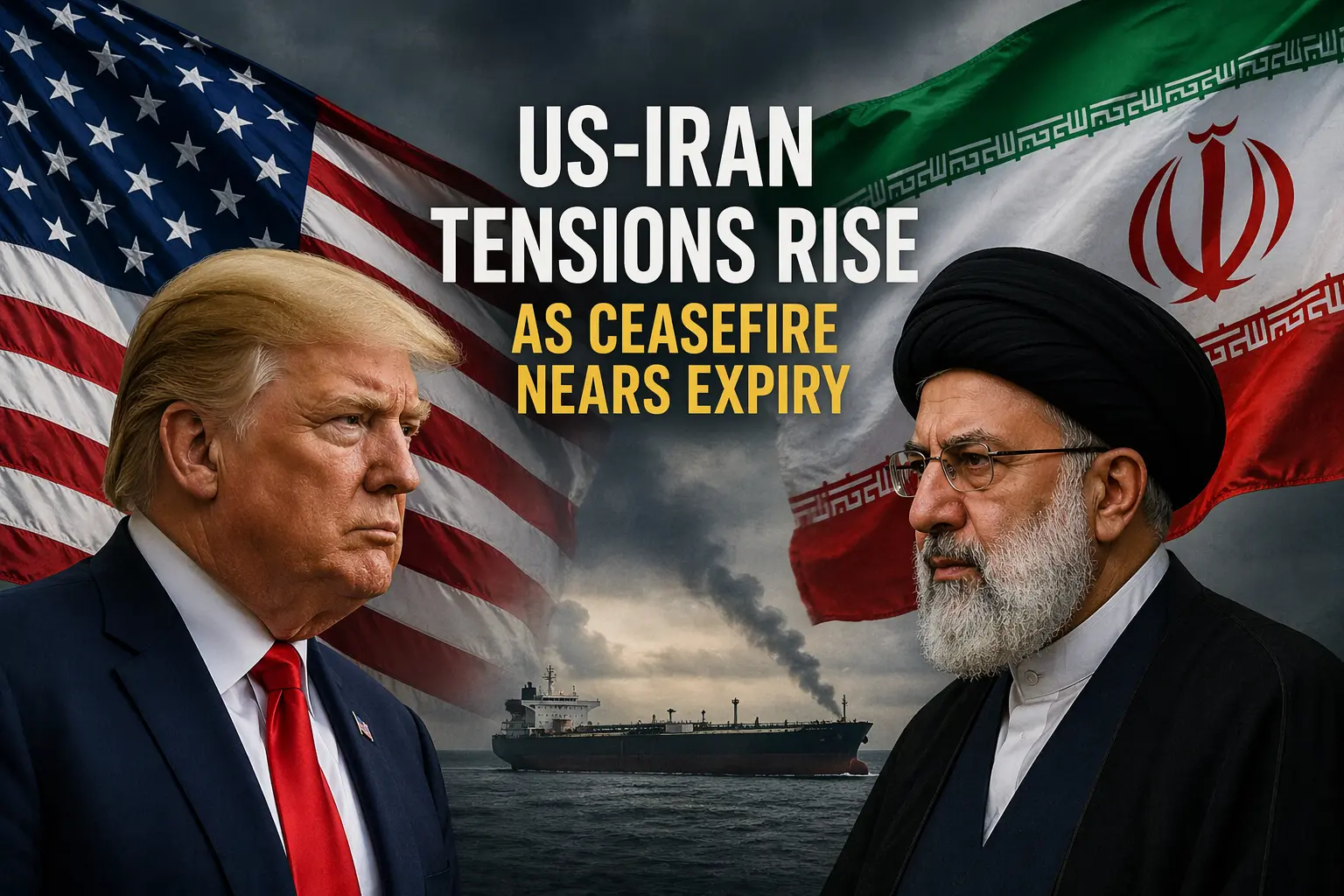
Ceasefire Extension and Political Messaging
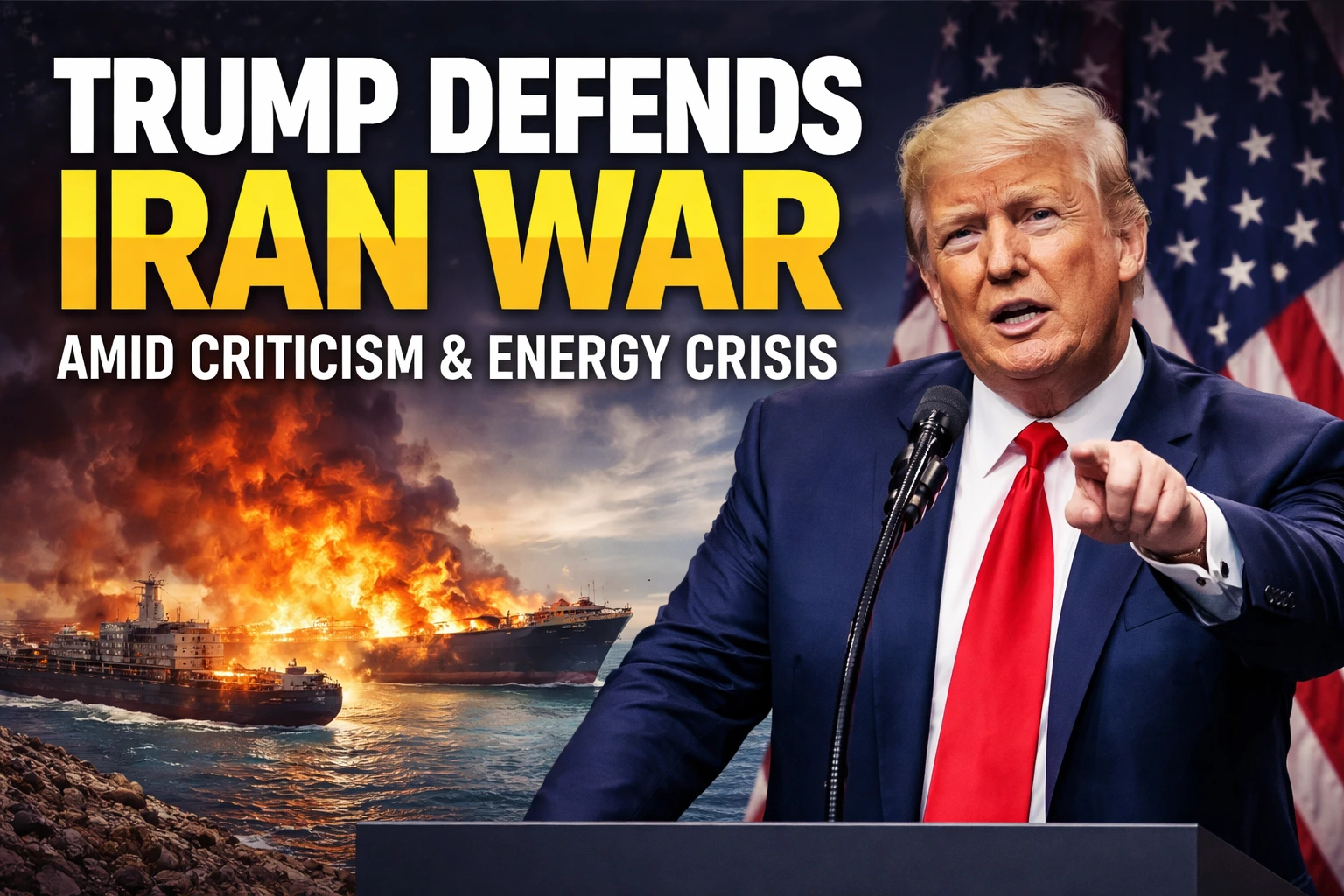
Trump recently extended a temporary ceasefire, signaling more time for negotiations while maintaining pressure through a naval blockade in the Strait of Hormuz. His comments implied that Iran’s leadership is disorganized, but on-the-ground developments do not clearly support that view.
Iran has continued diplomatic engagement, including sending a delegation to Islamabad for talks, indicating that decision-making channels remain active.
Who Is Leading Iran Right Now?
Supreme Leader: Mojtaba Khamenei
Mojtaba Khamenei, son of former leader Ali Khamenei, assumed power after his father’s death early in the war. Though not previously elected, he has long been influential within Iran’s inner circle and maintains strong ties with the military establishment.
- Seen as aligned with hardline factions
- Reportedly involved in strategic decisions despite limited public appearances
- Signals continuity rather than collapse in leadership
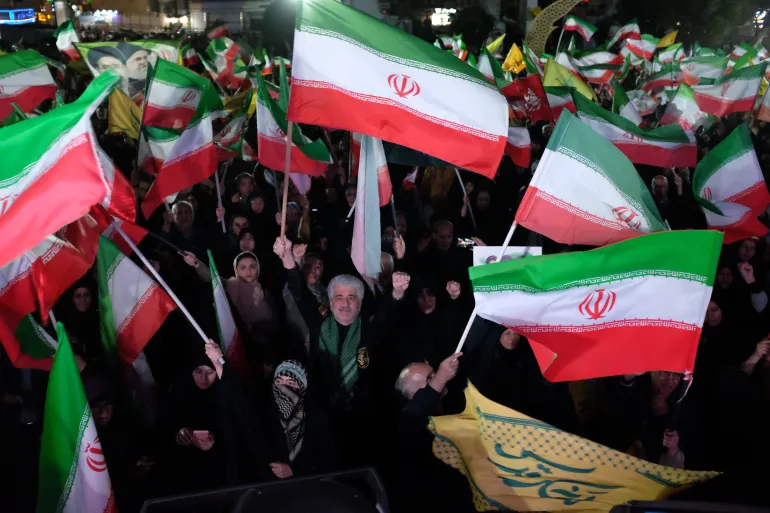
Image Credit: Courtesy of Al Jazeera
Parliament Speaker & Negotiator: Mohammad Bagher Ghalibaf
Ghalibaf plays a central role in negotiations with the United States and represents a more pragmatic approach within Iran’s leadership.
- Leading diplomatic talks with Washington
- Supports negotiations as a way to secure long-term gains
- Faces criticism from hardliners who oppose engagement
His position highlights internal debate—but not necessarily fragmentation.
The Military Power Core
Islamic Revolutionary Guard Corps (IRGC)
The IRGC remains one of the most powerful institutions in Iran, overseeing key military operations and strategic assets.
- Controls missile and drone capabilities
- Plays a dominant role in regional military actions
- Operates alongside the regular army under the supreme leader
Some analysts believe the IRGC’s actions occasionally diverge from diplomatic efforts, especially during ceasefire periods. However, it still operates within the broader state structure.
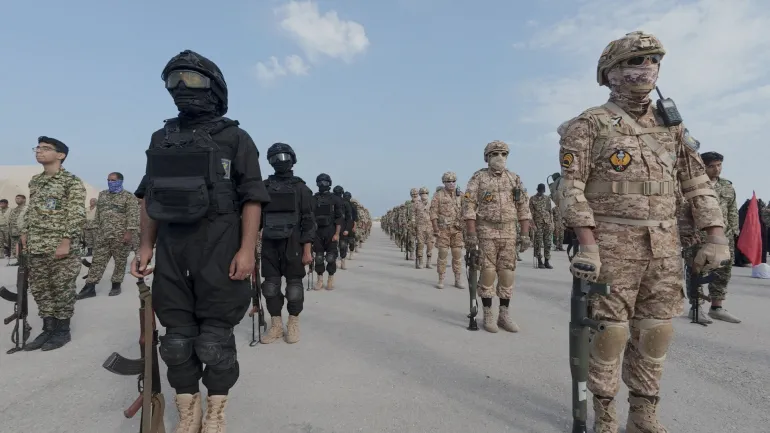
Image Credit: Courtesy of Al Jazeera
Hardline Political Influence
Paydari Front
This conservative faction pushes a strict ideological agenda rooted in the principles of the 1979 revolution.
- Opposes negotiations with the US
- Criticizes leaders like Ghalibaf for engaging in talks
- Seeks to strengthen its influence within Iran’s political system
While vocal, its influence appears more political than decisive in final state decisions.
Is Iran’s Leadership Divided?
Iran’s system is inherently layered, with multiple centers of influence—political, military, and ideological. This can create visible disagreements, especially over negotiations with the US.
However, key observations suggest:
- Core authority still rests with the supreme leader
- Military and political institutions remain operational
- Internal disagreements are typical, not signs of collapse
Final Take
Despite strong rhetoric from Washington, there is limited evidence that Iran’s leadership is truly “fractured.” Instead, the country appears to be navigating internal debates while maintaining a unified strategic direction—balancing military resistance with selective diplomacy.