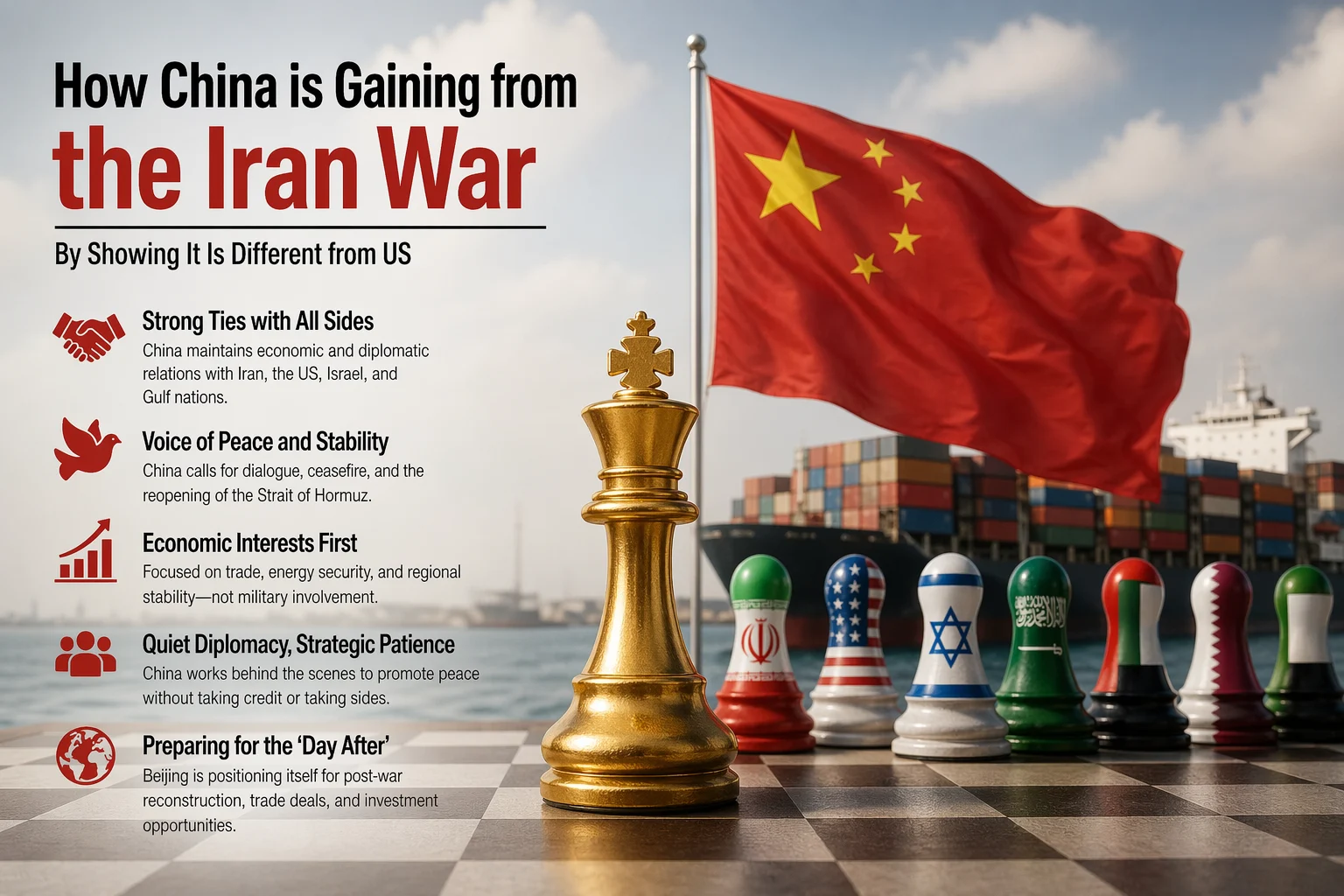
China is quietly strengthening its global position during the Iran war by presenting itself as a balanced and responsible power—very different from the more aggressive posture of the United States. Instead of direct involvement, Beijing is focusing on diplomacy, economic stability, and long-term strategic gains.
China’s Diplomatic Strategy: Calm and Calculated
Chinese President Xi Jinping has emphasized peace and stability, urging the reopening of the Strait of Hormuz and calling for political solutions over military escalation. In discussions with Saudi Crown Prince Mohammed bin Salman, China reinforced its stance that maintaining open trade routes benefits both regional and global economies.
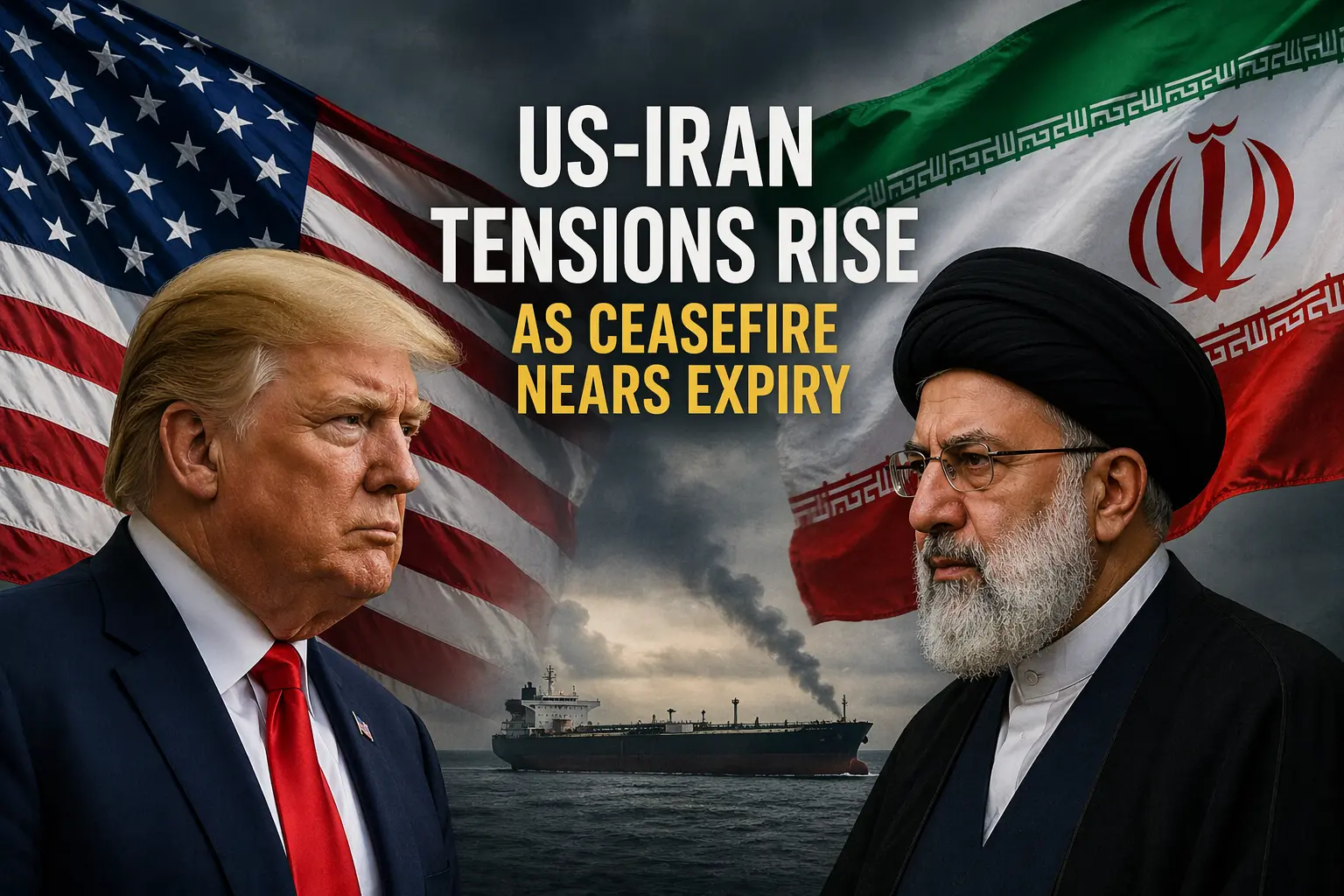
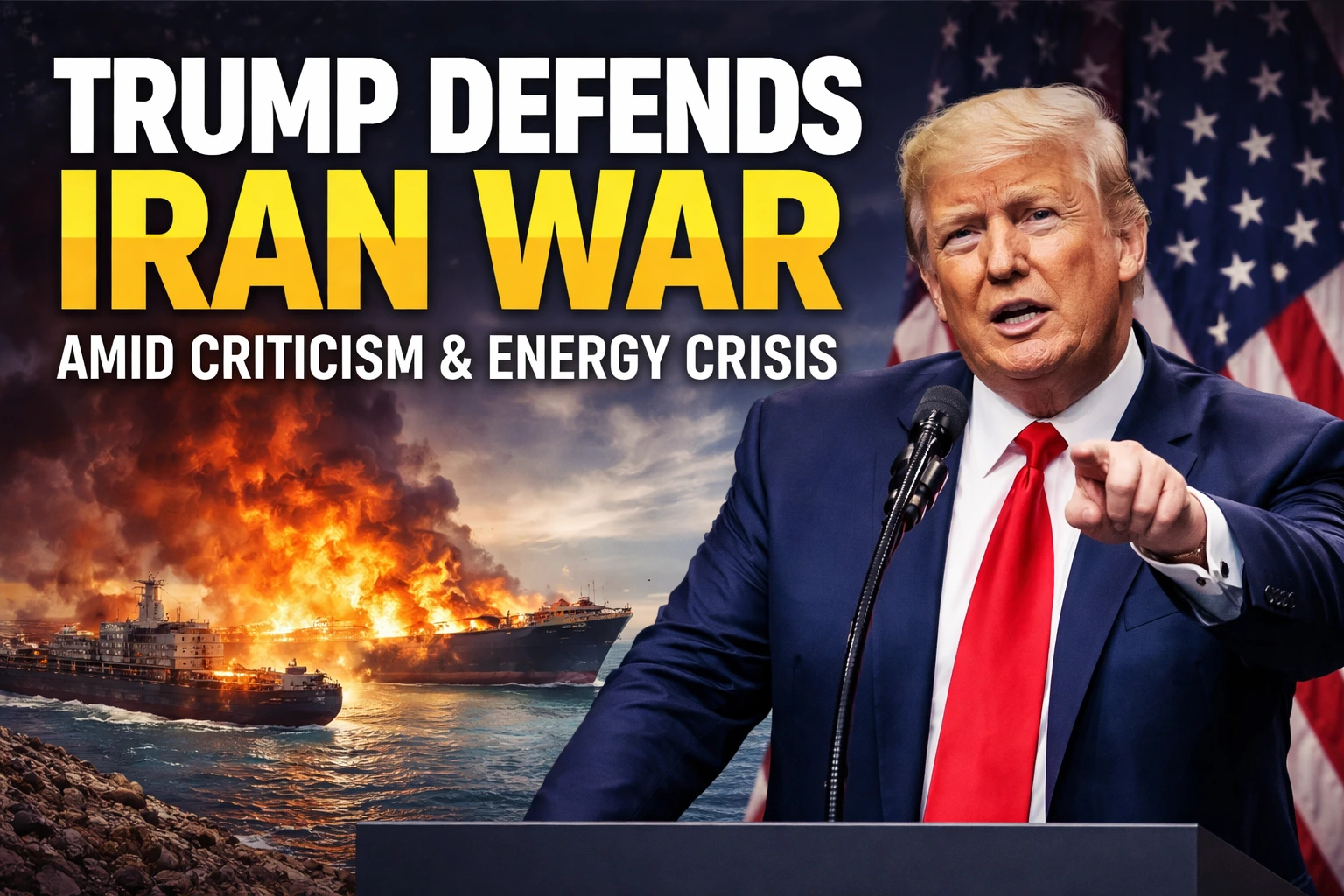
This measured tone stands in contrast to Donald Trump, who has publicly defended continued military pressure and economic blockades on Iran.
Strong Ties Across Rival Sides
One of China’s biggest advantages is its ability to maintain relationships with all key players:
- Iran’s largest oil buyer and long-term strategic partner
- A major trade partner of the United States
- Strong economic ties with Israel and Gulf nations like Saudi Arabia, Qatar, and the UAE
This “friend to all” approach allows Beijing to protect its interests regardless of how the conflict unfolds.
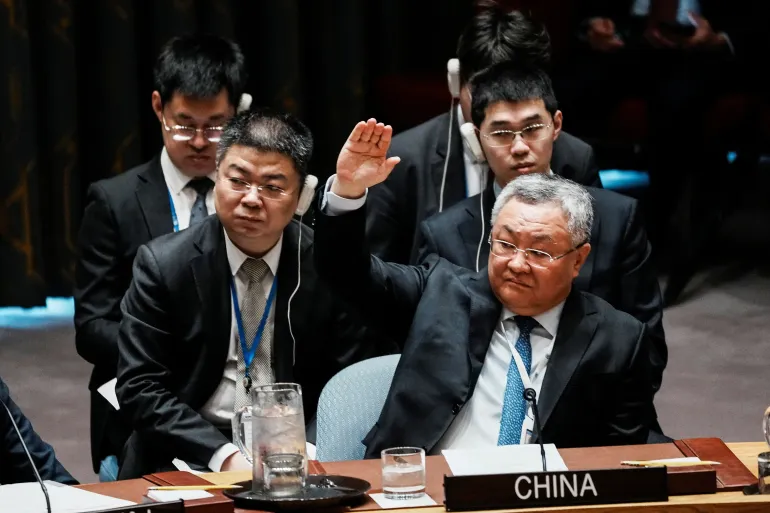
Image Credit: Courtesy of Al Jazeera
Economic Interests Drive China’s Approach
China’s primary goal in the Middle East is economic stability, not military dominance. Over 40% of its crude oil imports come from the region, making peace essential for its energy security.
Beijing avoids direct intervention but works behind the scenes to ensure stability, knowing that prolonged conflict could disrupt trade and energy supplies.
Behind-the-Scenes Diplomacy
Chinese officials have been actively engaging in quiet diplomacy:
- Multiple high-level calls and meetings with global and regional leaders
- Efforts to support ceasefire discussions without taking public credit
- Strategic positioning as a mediator without committing to enforcing peace agreements
This allows China to appear as a peacemaker while avoiding the risks of deeper involvement.
Strategic Positioning for Post-War Gains
China is already preparing for the aftermath of the conflict. Its long-term goals include:
- Expanding investment and reconstruction projects in the region
- Strengthening trade agreements with Gulf countries
- Securing energy supply chains
By staying neutral and maintaining relationships on all sides, China is positioning itself to benefit economically once the conflict ends.
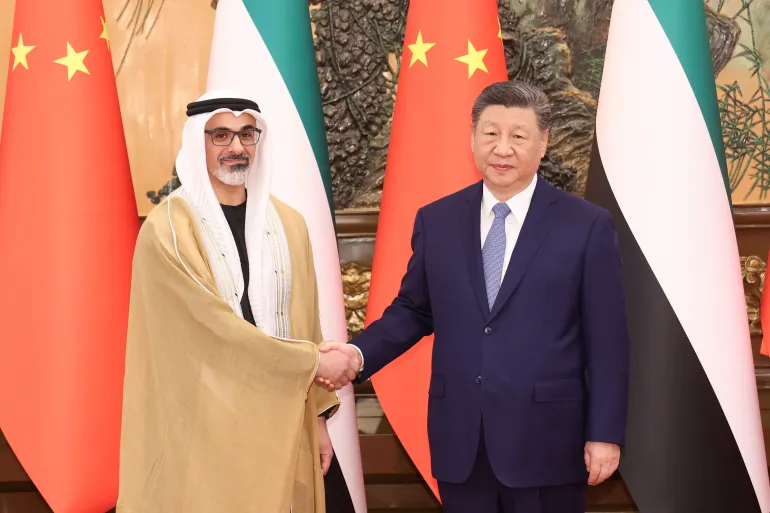
Image Credit: Courtesy of Al Jazeera
Balancing Act Between the US and Iran
China is carefully managing its relationships with both Washington and Tehran. With potential trade negotiations involving tariffs on the horizon, Beijing is avoiding actions that could escalate tensions with the US while still preserving its strategic partnership with Iran.
Conclusion
China’s strategy in the Iran war is defined by patience, neutrality, and economic focus. By avoiding direct conflict and promoting diplomacy, Beijing is enhancing its global image while quietly securing long-term advantages. As the situation evolves, China’s ability to balance competing interests may give it a significant edge in shaping the post-war Middle East.