Mexico approves election reform targeting foreign interference, sparking debate over democracy, misinformation, and vote integrity.
Mexico Pushes Election Reform to Counter Foreign Interference
Mexico’s lower house has approved a controversial constitutional amendment aimed at allowing elections to be annulled if foreign interference is detected. The proposal has sparked intense political debate across the country, with supporters calling it a necessary defense of democracy and critics warning it could weaken trust in the electoral system.
The measure was approved in the Chamber of Deputies with strong backing from the ruling Morena party and its allies. Lawmakers supporting the reform argue that foreign governments, organizations, and online campaigns increasingly pose risks to national sovereignty and democratic integrity.
However, opposition leaders believe the amendment could create uncertainty around future elections and open the door for political disputes over legitimate results.
What the Mexico Election Reform Proposes
The proposed constitutional reform would add foreign interference as an official reason for invalidating election outcomes in Mexico.
Under the amendment, foreign interference includes several activities such as illicit foreign financing, organized propaganda campaigns, systematic disinformation, digital manipulation, and intervention by foreign governments or agencies.
The proposal also addresses political, economic, diplomatic, and media pressure intended to influence Mexican public opinion or election results.
Although the reform has passed the lower house, it still requires approval from the Senate before becoming law. Analysts say the changes are unlikely to impact the federal elections scheduled for 2027 because electoral reforms must be finalized well before the election process officially begins.
Morena Party Defends the Measure
Leaders of the ruling Morena party defended the amendment as an important step toward protecting Mexico’s democratic sovereignty.
Ricardo Monreal, a senior Morena leader in the lower house, argued that stronger constitutional safeguards are needed to stop outside actors from shaping Mexican elections. According to him, modern political interference goes beyond direct intervention and increasingly includes digital influence campaigns and coordinated misinformation.
Monreal stated that lawmakers spent long hours debating reforms intended to strengthen the country’s electoral system and protect democratic institutions from external influence.
The Morena party has recently expressed growing concern about international involvement in Mexican political affairs. Party leaders have pointed to criticism from foreign politicians and comments from Donald Trump as examples of external pressure that could potentially affect domestic politics.
President Claudia Sheinbaum Raises Concerns
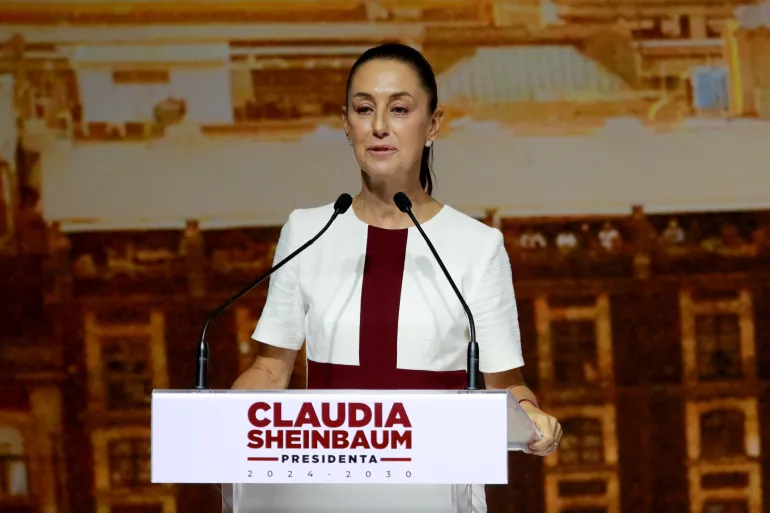
Mexican President Claudia Sheinbaum also supported concerns surrounding possible foreign involvement in elections.
Following the legislative vote, Sheinbaum warned that foreign interference could become a serious challenge for Mexico’s democracy in the future. She also acknowledged that previous cases involving foreign funding connected to political groups and local candidates had already raised alarms within the country.
Her comments added momentum to the debate over how governments should respond to growing concerns about online misinformation, foreign influence campaigns, and digital manipulation during elections.
Across the world, governments are increasingly discussing new laws aimed at preventing outside influence in democratic processes, especially through social media platforms and digital advertising.
Opposition Parties Criticize the Reform
Opposition lawmakers strongly criticized the amendment, arguing that the government may be overstating the threat of foreign interference to justify broader electoral control.
Members of the opposition National Action Party rejected claims that opposing the reform means supporting foreign meddling. Party leaders argued that democratic systems should remain open to debate and criticism without labeling dissent as foreign intervention.
Meanwhile, lawmakers from the Institutional Revolutionary Party questioned how the rules would actually work in practice. Critics warned that the broad language used in the amendment could create confusion once lawmakers begin drafting the secondary legislation required for implementation.
Some politicians raised concerns about whether international media coverage, foreign advertising purchases, or online discussions originating outside Mexico could eventually be interpreted as interference.
Others warned that vague legal definitions might allow political actors to challenge election outcomes more frequently, potentially damaging public confidence in democratic institutions.
Debate Over Democracy and Digital Influence
The proposed reform reflects a broader global debate over election security in the digital era. Governments worldwide are increasingly worried about misinformation campaigns, foreign funding networks, cyber influence operations, and online propaganda targeting voters.
Supporters of the amendment argue that Mexico must strengthen its legal protections before such activities become more widespread. Critics, however, believe the reform could unintentionally create political instability by making election results easier to contest.
As the proposal moves to the Senate, political analysts expect heated discussions over how Mexico should balance national sovereignty, free expression, media freedom, and election transparency.
The final outcome could shape the future of Mexican elections for years to come and influence how other countries in Latin America approach similar concerns about foreign political influence.