Violence against Ebola centres in eastern DRC grows as mistrust, rising deaths and outbreak fears strain health workers.
Attacks on Ebola Treatment Centres Increase in Eastern DRC
Violence and tensions surrounding the Ebola outbreak in eastern Democratic Republic of the Congo are worsening as attacks on treatment centres and health workers continue to rise. Authorities and aid organisations fear the growing anger and mistrust among local communities could make it even harder to contain the deadly virus.
Health officials have warned that the outbreak is spreading rapidly across parts of eastern DRC, while neighbouring countries remain on high alert over fears of cross-border transmission. The worsening situation has placed enormous pressure on already stretched healthcare systems and emergency response teams.
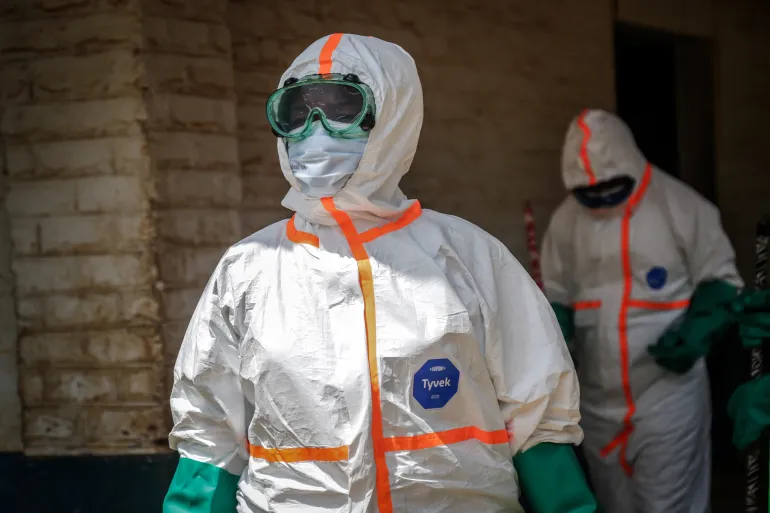
In recent days, several Ebola treatment facilities in the provinces of Ituri and North Kivu have come under attack. Local sources reported that angry residents stormed a health centre in Rwampara after demanding the release of bodies belonging to relatives who had died from Ebola. Medical staff refused to hand over the bodies because of strict infection control protocols designed to prevent the virus from spreading further.
A day later, two medical tents at a hospital in Mongbwalu were set on fire following tensions linked to the death of a patient showing Ebola symptoms. Aid workers said healthcare teams had isolated the body in accordance with emergency health measures before the violence erupted.
Despite the attacks, medical teams managed to secure the body for a safe burial procedure. Health agencies stressed that Ebola victims remain highly infectious after death, making specialised burials essential to protecting the wider community.
The clashes highlight the deep mistrust many residents feel toward healthcare workers and international response teams. In several Ebola-affected communities, rumours and misinformation have fuelled suspicion about treatment centres and burial practices. Some residents believe medical teams are hiding information or mishandling bodies, while others falsely claim the outbreak is being exaggerated for financial gain.
In eastern DRC, traditional funerals are an important cultural practice. Family members and neighbours often gather to wash, touch and embrace the deceased as a final sign of respect. However, during Ebola outbreaks, direct contact with infected bodies can transmit the virus quickly, forcing health authorities to enforce strict burial procedures.
Many grieving families say the restrictions have caused emotional pain and cultural frustration. Relatives are often unable to perform traditional funeral rites or say goodbye properly to loved ones who die from the disease.
The Congolese government has urged communities to cooperate with medical teams and follow public health guidelines. Officials continue to emphasise that safe burial practices are necessary to prevent further infections and save lives.
Health experts warn that violence against Ebola treatment centres could seriously undermine efforts to contain the outbreak. Doctors say attacks on healthcare facilities not only endanger medical workers but also encourage infected patients to flee treatment before recovery. This increases the risk of the virus spreading through villages, towns and across borders.
According to health authorities, nearly 180 people have died from Ebola in the current outbreak, while close to 800 confirmed and suspected cases have been recorded. The numbers continue to rise as response teams struggle with limited resources, insecurity and community resistance.
Local governments in Ituri and North Kivu have introduced emergency measures to slow transmission. Restrictions include limits on large public gatherings, suspension of wake services and bans on transporting bodies between communities without authorisation.
Medical professionals say misinformation remains one of the biggest challenges in controlling the outbreak. Rumours often spread faster than official health advice, especially in remote areas where access to trusted information is limited.
The Ebola response has also been affected by declining international aid and funding shortages. Congolese authorities say the national government is now covering a significant part of the emergency response costs. Aid organisations have warned that treatment centres are overwhelmed and lack enough supplies, protective equipment and trained personnel to handle the growing number of patients.
Healthcare teams on the ground report receiving new confirmed cases almost every day, raising fears that the outbreak could continue expanding if additional support is not provided quickly.
Regional health authorities across Africa are closely monitoring the situation. Several neighbouring countries have strengthened border checks, surveillance systems and emergency preparedness plans to reduce the risk of the virus spreading internationally.
The DRC, Uganda and South Sudan are also working together to improve cross-border coordination, laboratory testing and early warning systems. Public health officials continue urging residents to wash their hands regularly, avoid direct contact with sick individuals, cook food thoroughly and seek medical care immediately if symptoms appear.
As the Ebola outbreak deepens in eastern DRC, experts say rebuilding trust between communities and healthcare workers will be essential in stopping the deadly virus from spreading further.