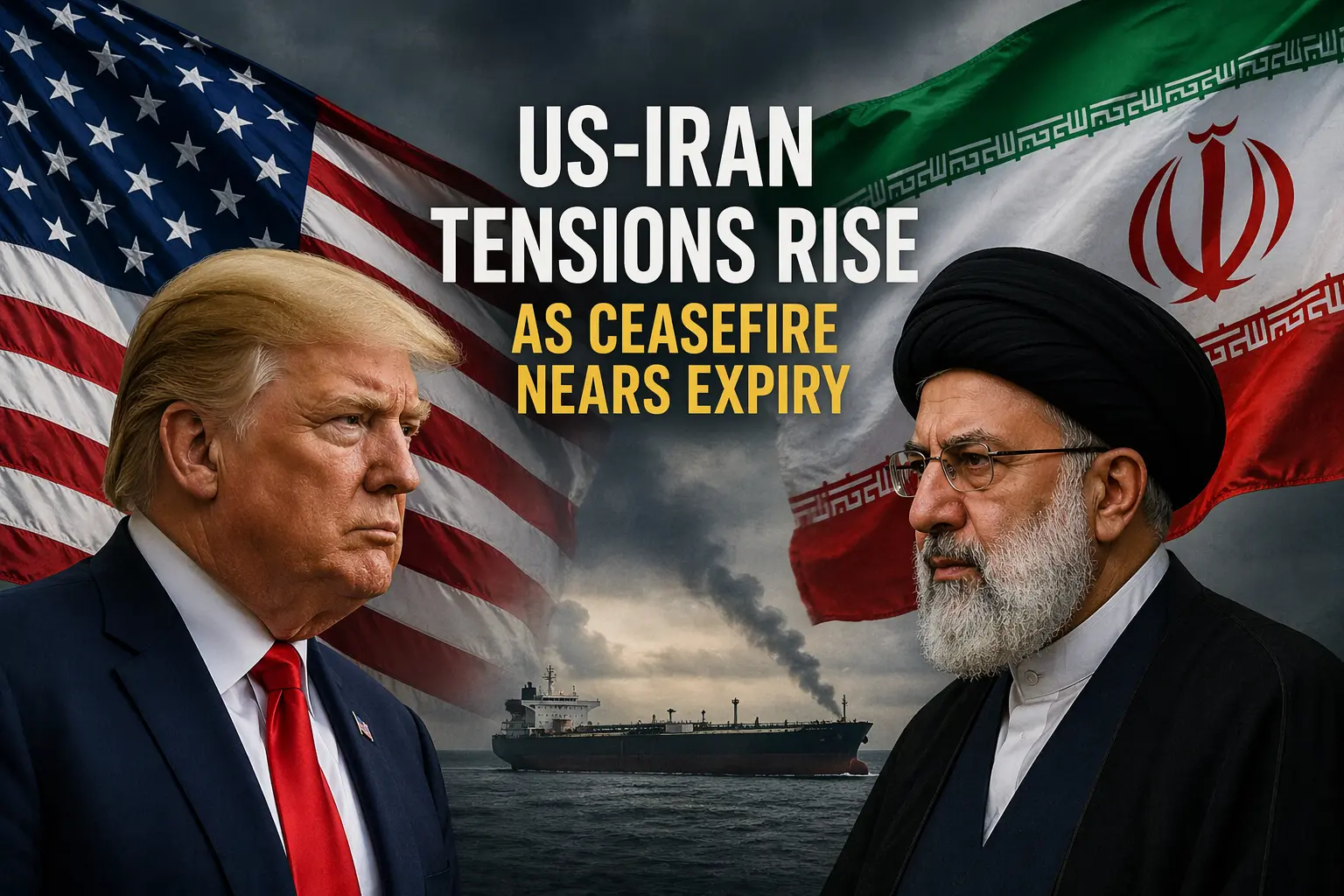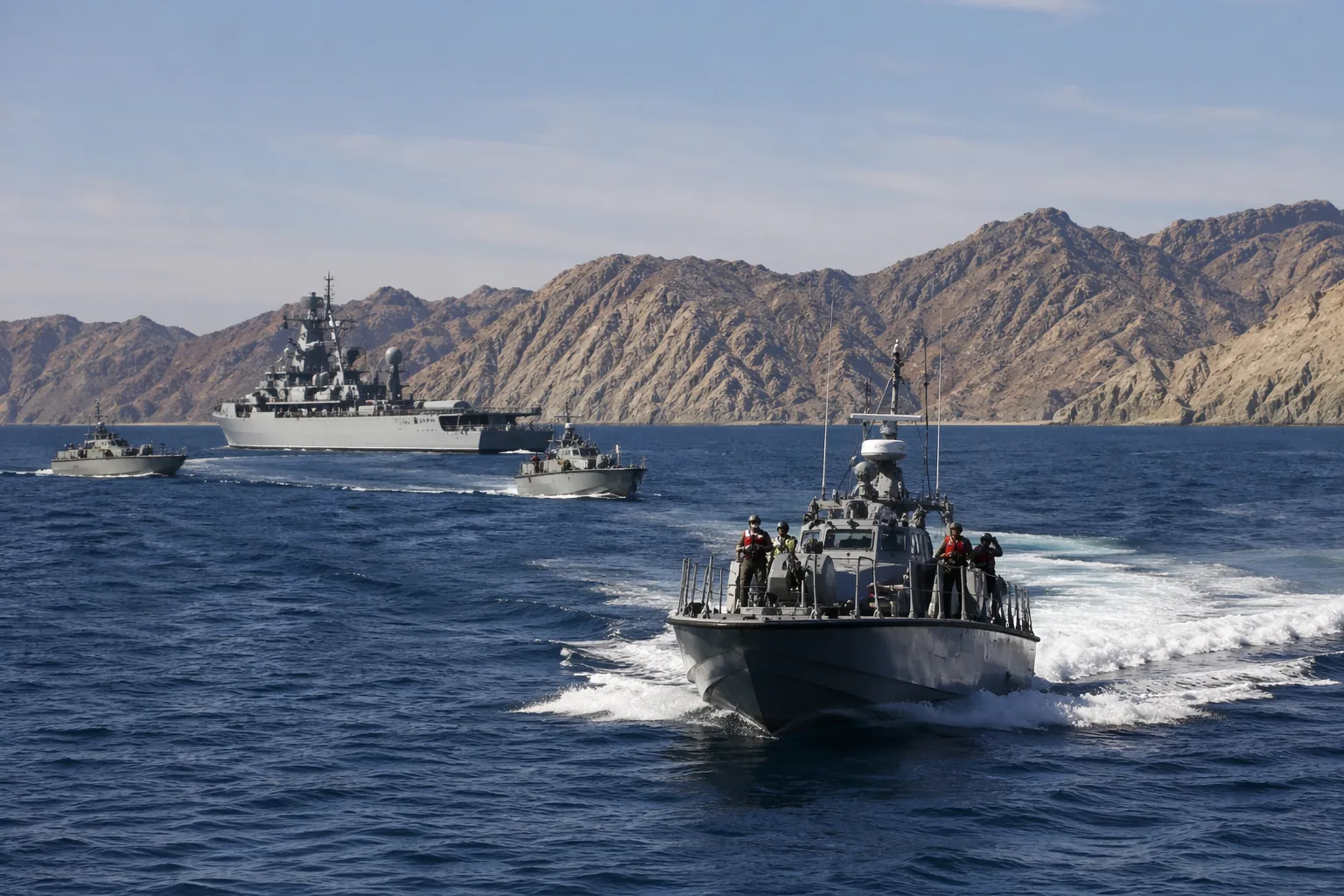
US President Donald Trump has issued a stark warning, stating that the United States Navy has been ordered to “shoot and kill” any Iranian vessels attempting to lay mines in the Strait of Hormuz. The directive raises concerns about the stability of the already fragile ceasefire between the United States and Iran.
US Navy Orders and Maritime Security Measures
Trump emphasized that US naval forces are actively working to secure the vital shipping route, with mine-clearing operations underway. He said efforts to remove explosives from the waterway would be significantly increased, highlighting the importance of keeping the passage open for global trade.
The Strait of Hormuz remains one of the world’s most critical النفط النقل routes, previously handling nearly 20% of global oil and natural gas shipments. Any disruption has immediate consequences for international energy markets.
Rising Oil Prices and Global Impact
The closure of the strait during recent hostilities caused a surge in oil prices, placing economic pressure on the United States. Domestic fuel prices have climbed above $4 per gallon, compared to around $3 before the conflict, intensifying political challenges for the Trump administration.
Ongoing Naval Confrontations and Blockades
Despite a temporary ceasefire, tensions persist. The US has maintained a naval blockade targeting Iranian-linked ships, while Iran has detained foreign vessels it claims violated maritime regulations. Recent US actions include intercepting a tanker carrying Iranian oil in the Indian Ocean and turning away multiple vessels.
Iran has insisted that lifting the blockade is a key condition for resuming diplomatic negotiations.
Dispute Over Control of Hormuz
Iran had previously shut down the Strait of Hormuz in response to joint US-Israeli military actions and later reopened it under ceasefire terms. However, disagreements remain over navigation rights, particularly in areas passing through Iranian territorial waters.
Trump claimed that the US now has “total control” over the strait, describing it as “sealed up tight,” despite conflicting reports about ongoing restrictions on shipping.
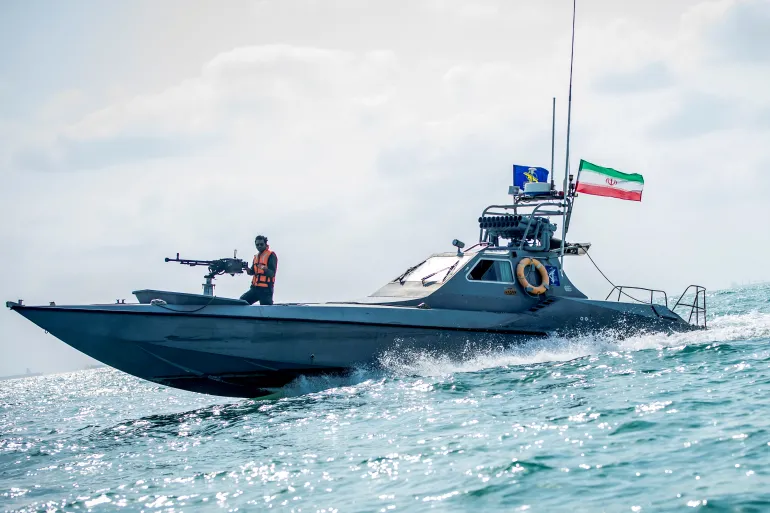
Image Credit: Courtesy of Al Jazeera
Iranian Leadership and Internal Dynamics
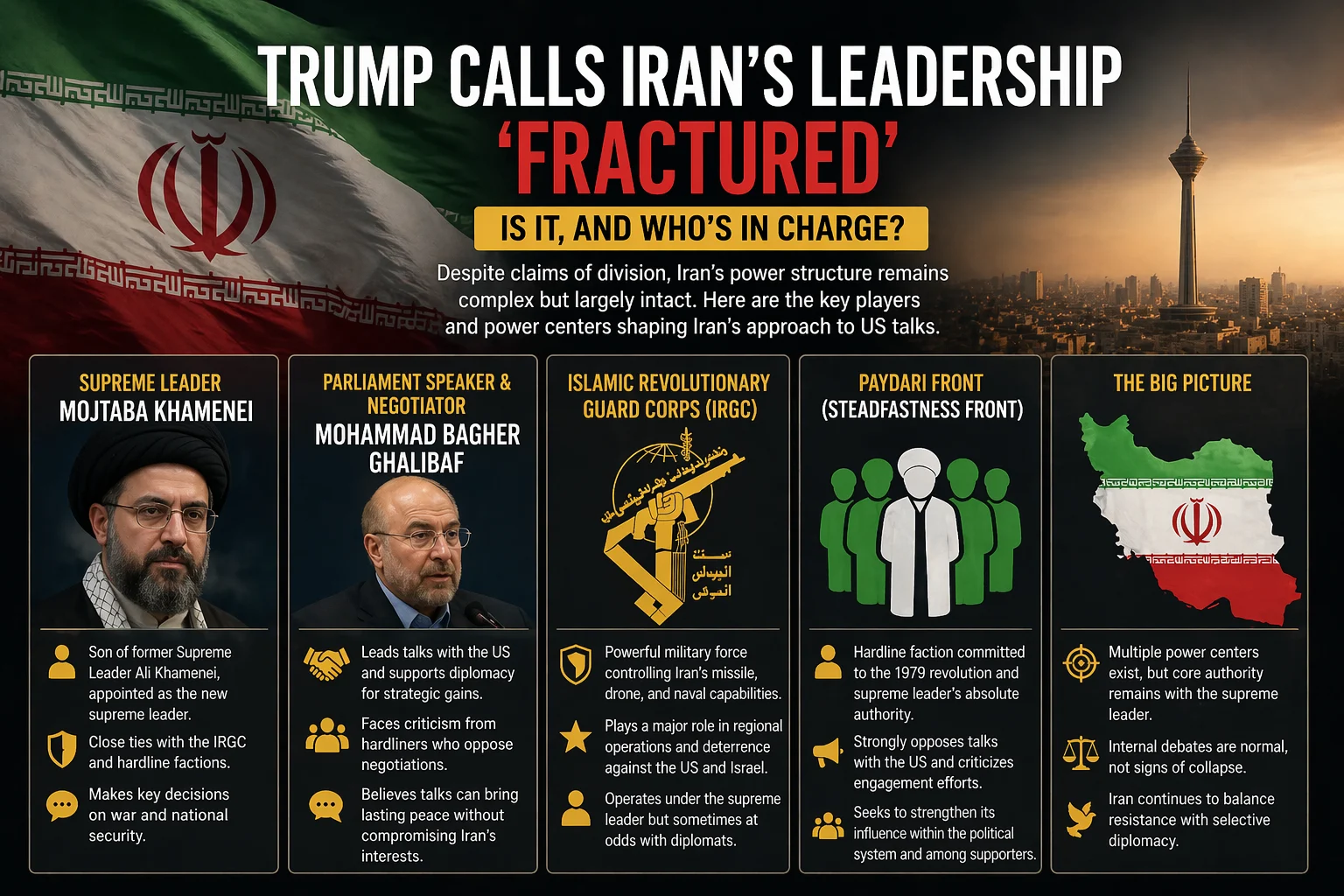
Trump also alleged divisions within Iran’s leadership, though no verified evidence supports these claims. Following the death of Ali Khamenei during earlier strikes, leadership reportedly transitioned to Mojtaba Khamenei, though his public absence has fueled speculation.
Senior Iranian officials, including Foreign Minister Abbas Araghchi and Parliament Speaker Mohammad Bagher Ghalibaf, have maintained a unified stance against US policies and supported the ceasefire.
IRGC and National Response
Iran’s Foreign Ministry praised the role of the Islamic Revolutionary Guard Corps (IRGC), honoring those involved in defending the country and marking the anniversary of the force’s establishment.
Outlook: Risk of Renewed Conflict
With both nations enforcing competing maritime measures and no clear timeline for ending the standoff, the risk of renewed conflict remains high. The situation in the Strait of Hormuz continues to be a critical flashpoint with global economic and geopolitical implications.