Muslims in India report growing fear and restrictions over Eid prayers as authorities tighten rules on public religious gatherings.
Indian Muslims Face Anxiety Over Eid Prayer Restrictions
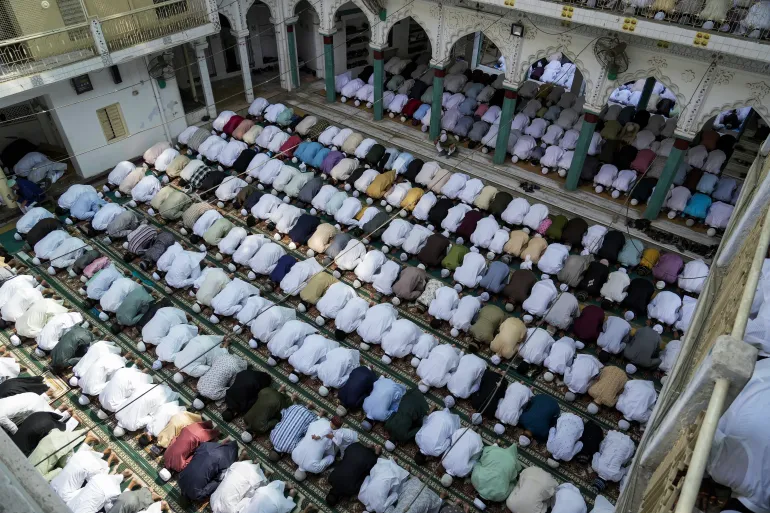
As Eid al-Adha approaches, many Muslim communities across parts of India are preparing for the festival under an atmosphere of tension and uncertainty. In several towns and cities, mosque committees are asking worshippers to avoid gathering outside prayer spaces, arrive in smaller groups, and leave quickly after prayers end.
For many Muslims, the issue is no longer just about celebrating a religious festival. It has become a question of safety, visibility, and whether public expressions of faith are increasingly being viewed with suspicion.
In districts across Uttar Pradesh and other regions, authorities have issued advisories discouraging public Eid prayers on roads and open grounds. Community leaders say the restrictions have created fear among worshippers who simply want to pray peacefully during one of Islam’s most important religious occasions.
Growing Concerns Around Public Eid Prayers
Inside mosques in western Uttar Pradesh, preparations for Eid have become focused on crowd control rather than celebration. Mosque committees are discussing police permissions, prayer schedules, barricades, and ways to avoid confrontation.
Many mosques are planning multiple prayer shifts to prevent crowds from spilling onto nearby roads. Volunteers are being instructed to manage entry points and ensure worshippers disperse immediately after prayers.
Muslim residents say the atmosphere around Eid has changed significantly over the past decade. Earlier, large congregational prayers during Eid were common in open grounds and nearby streets due to limited space inside mosques. Now, many fear that even brief gatherings outside mosques could attract police action or online harassment.
Several worshippers said they are cautious about being photographed or filmed during prayers because videos shared online can quickly trigger controversy and hostility on social media platforms.
Fear and Unease in Muslim Communities
Many Muslim families say they now approach Eid mornings with anxiety instead of excitement. Community members describe a growing fear of public scrutiny and legal consequences linked to religious gatherings.
Residents in Uttar Pradesh recalled previous incidents in which people were reportedly booked by police for offering prayers in open spaces. In some cases, punitive measures such as demolitions and document verification issues allegedly followed.
The concerns are especially strong in Uttar Pradesh, India’s most populous state, where millions of Muslims live. Since 2017, the state government has intensified restrictions on public prayers, arguing that such measures are necessary for maintaining public order and traffic management.
Critics, however, argue that the rules are selectively enforced and disproportionately affect Muslims.
A mosque committee member in Meerut explained that local organisers now spend more time discussing restrictions and safety measures than planning the actual Eid celebration.
According to community members, parents are advising young people to avoid standing outside mosques or participating in large gatherings because they fear unwanted attention or confrontation.
Public Space Debate Intensifies
The debate over Muslim prayers in public spaces has become a major political and social issue in India. Right-wing Hindu groups have repeatedly opposed public namaz, claiming that prayers on roads or parks create inconvenience and security concerns.
Some political leaders have also publicly criticised open-air prayers and demanded tighter restrictions.
Muslim groups argue that the practical reality is often ignored. During Eid and Friday prayers, many mosques and designated Eidgah grounds cannot accommodate large crowds, especially in densely populated urban areas. Worshippers often stand briefly outside prayer spaces because of space shortages, not as a political statement.
Religious leaders say Eid prayers typically last only a few minutes and roads reopen quickly afterwards. They argue that such gatherings were rarely considered controversial in the past.
However, the issue has increasingly become part of broader political debates about religious identity, public visibility, and minority rights in India.
Unequal Enforcement Raises Questions
Critics of the restrictions point to what they see as unequal treatment between religious communities. While Muslim prayers face tighter monitoring and limitations, large Hindu religious processions and festivals often receive official support, including traffic diversions, police security, and public infrastructure arrangements.
Legal experts and activists argue that this difference in approach has deepened feelings of discrimination among Muslims.
India’s constitution guarantees religious freedom while allowing authorities to regulate public order. However, rights advocates say repeated restrictions targeting one community create concerns about equality before the law.
Some sociologists and analysts believe the controversy surrounding Eid prayers reflects a wider shift in how public spaces are negotiated in modern India.
They argue that public space is not only physical but also symbolic. Questions about who can gather openly, visibly, and confidently in shared spaces increasingly shape debates around religion and identity.
Eid Celebrations Continue Despite Challenges
Despite the concerns, preparations for Eid continue across Muslim neighbourhoods. Markets remain crowded as families shop for clothes, sweets, and sacrificial animals. Tailors work late into the night to complete festive orders, while mosque volunteers clean prayer halls and organise facilities for worshippers.
Still, beneath the festive atmosphere lies a clear sense of unease.
Many Muslims say repeated controversies surrounding religious practices — including debates over hijabs, halal food, loudspeaker calls to prayer, and public namaz — have created a lasting feeling of vulnerability within the community.
For some, even simple acts of worship now require careful thought and caution.
As India continues to debate the balance between public order and religious freedom, the discussion surrounding Eid prayers has become part of a much larger conversation about identity, citizenship, and belonging in the country’s public spaces.