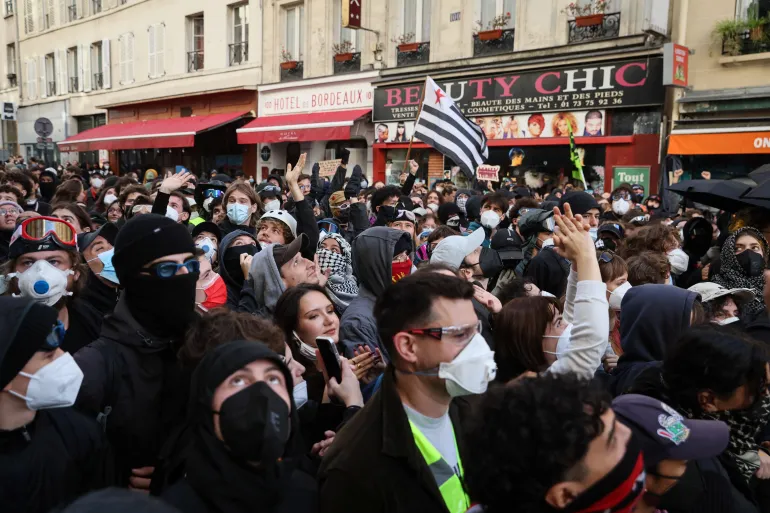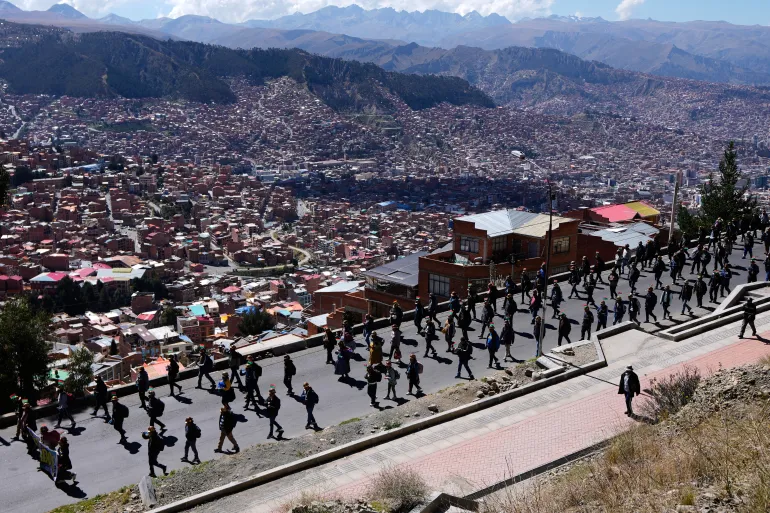
Thousands of protesters flooded Bolivia’s capital La Paz demanding President Rodrigo Paz resign amid soaring inflation, fuel shortages, economic instability, and growing public anger.
Thousands Protest in Bolivia as Economic Crisis Deepens and Pressure Mounts on President Paz
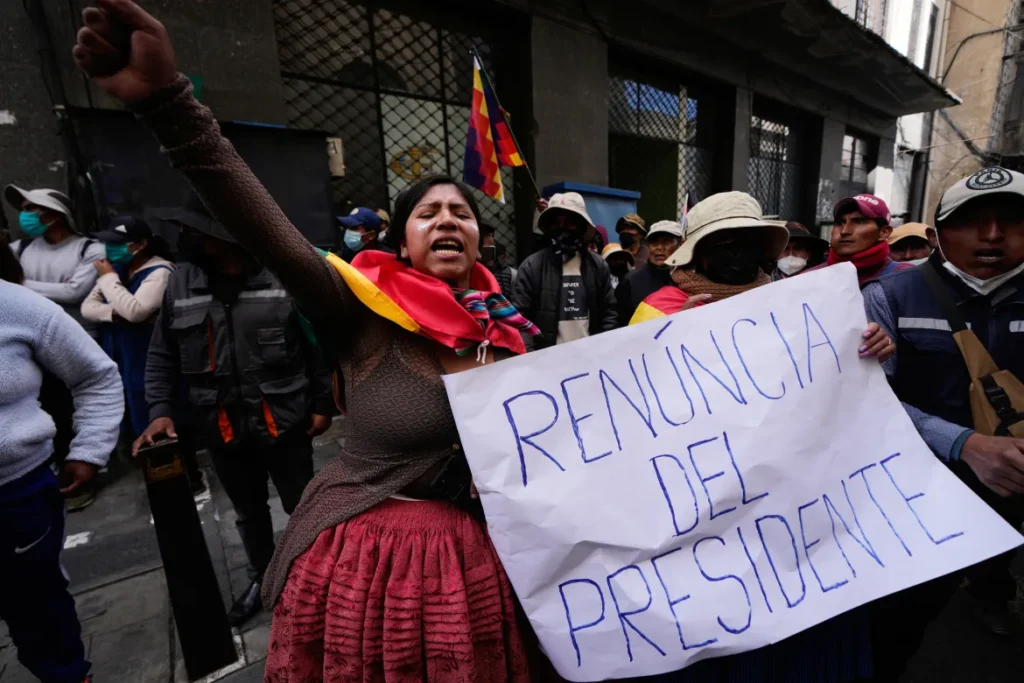
Bolivia is facing one of the most serious political and economic crises in its modern history as thousands of protesters have taken to the streets demanding the resignation of President Rodrigo Paz. Massive demonstrations in the administrative capital, La Paz, have highlighted growing public frustration over soaring inflation, fuel shortages, rising living costs, and controversial government economic reforms.
The unrest has spread across the country in recent weeks, with road blockades and nationwide protests disrupting transportation and creating shortages of food, medicine, and fuel in several regions. Farmers, miners, teachers, Indigenous groups, and public sector workers have joined the demonstrations, accusing the government of failing to protect ordinary Bolivians from worsening economic conditions.
The crisis comes less than six months after President Paz took office following two decades of largely socialist governments in Bolivia. His administration promised economic reforms and fiscal stability, but many citizens now say the country’s situation has rapidly deteriorated.
Bolivia’s economy is currently experiencing its worst crisis in nearly 40 years. Inflation reached 14 percent in April, sharply reducing purchasing power and making daily necessities increasingly unaffordable for many families. The rising cost of food, transportation, fuel, and basic goods has fueled public anger across urban and rural communities alike.
Many protesters say they no longer trust the government’s ability to manage the economy. Demonstrators gathered in central La Paz carrying banners, chanting slogans, and calling for immediate political change. Several groups travelled long distances from rural areas to participate in the demonstrations.
Among them was farmer Ivan Alarcon, who journeyed from western Bolivia to join the growing movement against the government. He described the country as being in chaos and blamed the administration for economic instability and poor leadership.
The protests intensified as demonstrators attempted to march toward the central government district in La Paz, where important government buildings and offices are located. Riot police responded with tear gas and security operations to stop crowds from reaching restricted areas.
Clashes soon erupted between protesters and security forces. Demonstrators reportedly threw stones and small explosives while police attempted to disperse the crowds. Thick clouds of tear gas covered parts of the city center for several hours, creating scenes of chaos and tension.
Authorities have not confirmed the total number of injuries, though several protesters were reportedly hurt during the confrontations. Security forces also carried out mass arrests during the unrest, with local reports suggesting that more than 100 people were detained nationwide.
Government officials also released images showing damage to public offices, including furniture and equipment being removed from one building during the protests. The administration condemned the violence and accused some demonstrators of vandalism and disorder.
At the center of the political crisis is President Paz’s decision to eliminate long-standing fuel subsidies. Government officials argued that the subsidies had become financially unsustainable and were draining Bolivia’s foreign currency reserves. The administration claimed the reforms were necessary to stabilize the economy and prevent further financial collapse.
However, instead of improving the situation, many Bolivians say the removal of subsidies has made life significantly harder. Fuel prices have risen sharply, transportation costs have increased, and shortages continue in several regions. Businesses and families are struggling to cope with the economic pressure.
Critics also accuse the government of attempting to privatize state-owned companies and reduce public spending too quickly without protecting vulnerable communities. Labor unions and Indigenous organizations argue that the reforms mainly benefit wealthy sectors while ordinary workers bear the economic burden.
The protests reflect deeper concerns about inequality and economic uncertainty in Bolivia. For years, the country relied heavily on natural gas exports and state intervention policies to support economic growth. However, declining foreign reserves, weaker exports, and financial pressures have placed enormous strain on the economy.
Political analysts warn that continued unrest could further destabilize Bolivia if dialogue between the government and protest leaders fails. The growing shortages of food, medicine, and fuel are also increasing fears of a humanitarian crisis if transportation blockades continue.
The demonstrations have become one of the first major tests for President Paz’s leadership. While the government insists that reforms are necessary for long-term stability, protesters argue that the administration has failed to provide immediate relief to struggling families.
As tensions continue to rise, many Bolivians are demanding urgent economic action, stronger social protections, and political accountability. The coming weeks may determine whether the government can restore stability or whether public anger will continue to grow into an even larger nationwide movement.