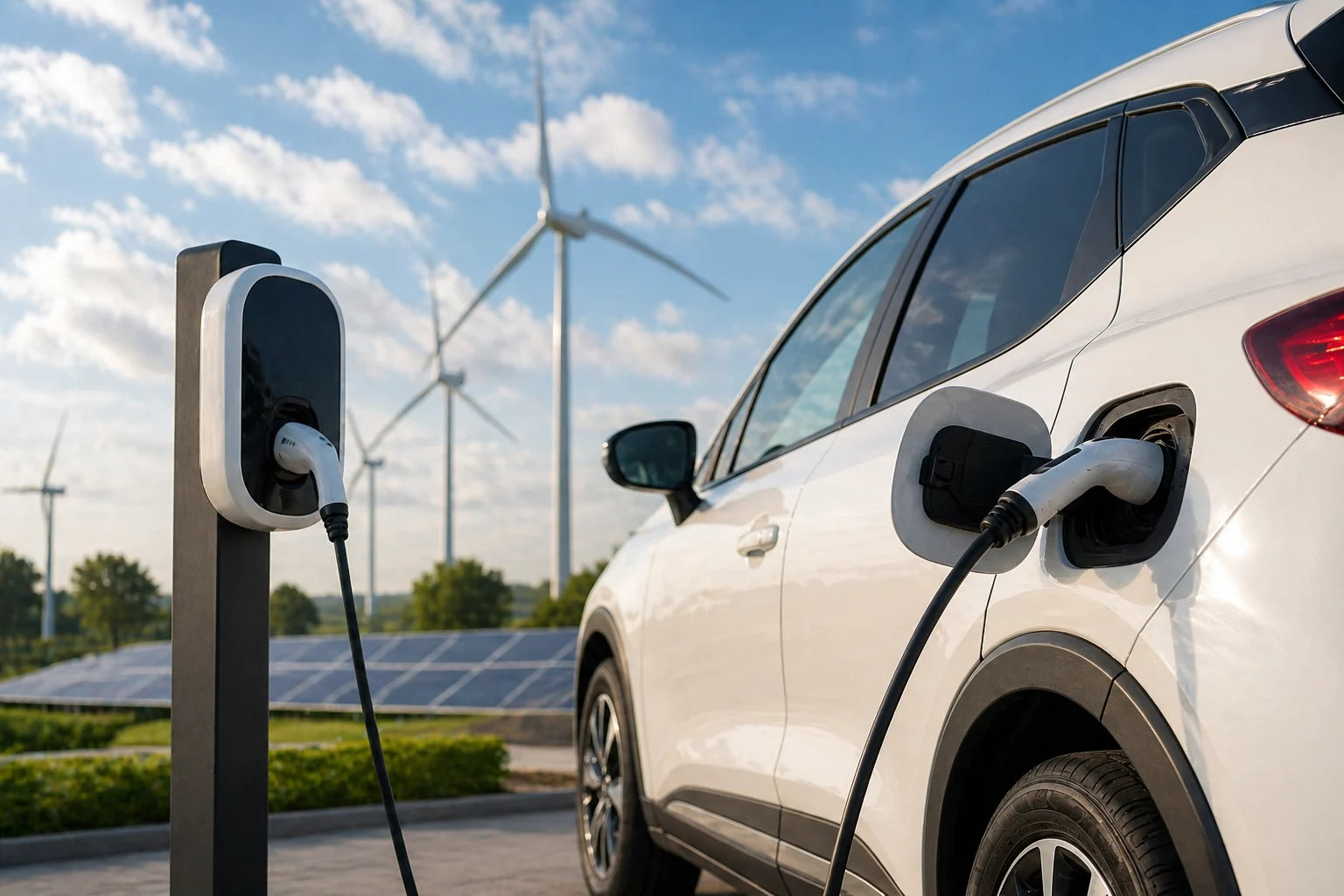
Rising fuel costs linked to the Iran conflict are accelerating the global shift toward electric vehicles (EVs). As petrol and diesel prices climb, consumers and businesses across multiple regions are increasingly turning to EVs as a cost-effective and sustainable alternative.
EV Sales Jump as Fuel Prices Rise
In Sydney, online EV marketplace owner Rosco Jewell has seen a dramatic spike in demand. Previously selling one used EV every two months, he now moves a vehicle roughly every two weeks. Supply is tightening, especially in the $20,000 to $50,000 range, with prices rising by 10–20 percent.
This trend reflects a broader global shift. As fuel becomes more expensive due to geopolitical instability, EVs are becoming a more attractive option for consumers looking to cut long-term transportation costs.
Major Markets See Strong Growth
Both the United States and China are experiencing renewed momentum in EV sales after a slowdown in 2025. China reported a significant monthly increase in EV sales, while US figures also showed a strong rebound compared to the previous month.
In Southeast Asia, VinFast recorded a sharp rise in year-on-year sales in Vietnam, highlighting growing demand in emerging markets.

Image Credit: Courtesy of Al Jazeera
Asia and Europe Accelerate EV Adoption
Across Asia, EV adoption is surging:
- Japan saw sales nearly triple year-on-year
- South Korea recorded a 172% increase in domestic EV purchases
In Europe, Tesla registrations surged in France, while countries like Norway, Sweden, and Denmark also reported strong growth.
Australia Sees Rapid EV Uptake
In Australia, EV adoption is accelerating quickly. Battery electric vehicles accounted for 14.6% of total car sales in March—almost double the figure from the same period last year.
Dealerships are experiencing high demand, with some reporting customers lining up for vehicles. Inventory shortages are becoming common, particularly for popular models like those from Tesla.
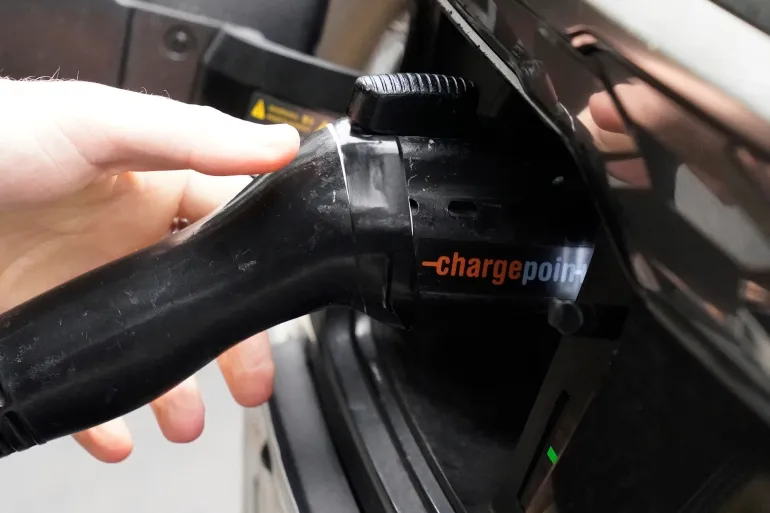
Image Credit: Courtesy of Al Jazeera
Fuel Dependency Driving Consumer Behavior
Australia imports around 80% of its petrol and diesel, making it vulnerable to global supply disruptions. Concerns over fuel availability and rising costs are pushing both individuals and businesses to consider EVs as a more stable alternative.
Some business owners are even replacing diesel-powered fleets with electric models to reduce operating expenses and gain greater control over fuel costs.
Government Policies and Infrastructure Support
Governments are beginning to respond to the surge in demand. In New South Wales, authorities have launched a $71 million initiative to expand EV charging infrastructure, especially in regional areas.
However, policy uncertainty remains, with potential changes to EV tax incentives at the federal level possibly impacting future adoption rates.
Long-Term Shift Toward Electrification
Energy analysts suggest that repeated global fuel shocks—such as the Russian invasion of Ukraine and the current Iran conflict—are accelerating a long-term transition away from fossil fuels.
As EV technology becomes more affordable and accessible, many countries are expected to continue increasing adoption rates, making this shift more permanent.
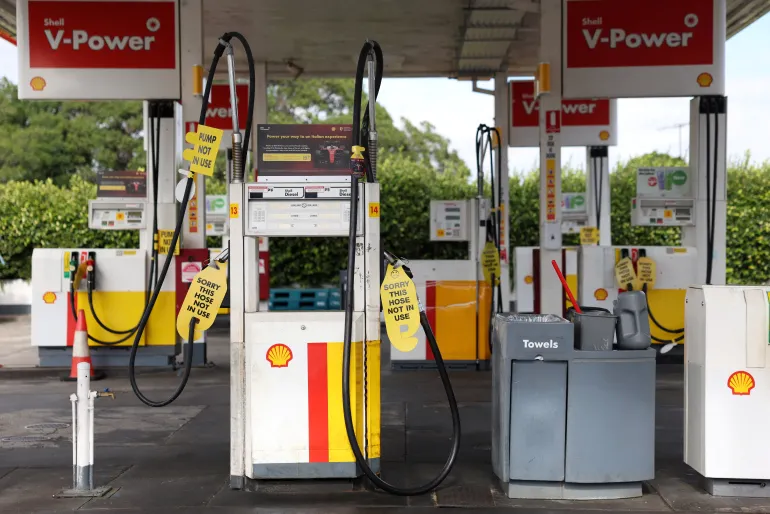
Image Credit: Courtesy of Al Jazeera
Lower Running Costs Attract Consumers
For many drivers, the economic benefits of EVs are already clear. Charging an EV at home can cost significantly less than fueling a petrol or diesel vehicle, offering substantial savings over time.
This cost advantage, combined with environmental benefits and energy security concerns, is making EVs an increasingly popular choice worldwide.
Conclusion
The Iran war is reshaping global energy and transportation trends. As fuel prices rise, electric vehicles are emerging as a practical and sustainable alternative. With growing demand, supportive policies, and improving infrastructure, the global EV market is poised for continued expansion in the years ahead.