Iran is advancing a new diplomatic proposal focused on reopening the Strait of Hormuz while postponing negotiations over its nuclear program. The move comes as Tehran seeks broader regional and global support during an intense round of high-level engagements.
Iran Expands Diplomatic Outreach
Iranian Foreign Minister Abbas Araghchi recently completed a rapid diplomatic tour, holding key meetings in Pakistan, Oman, and Russia. In Islamabad, he met with Prime Minister Shehbaz Sharif and senior officials, positioning Pakistan as a key mediator between Tehran and Washington.
Araghchi also traveled to Muscat, where regional intelligence and diplomatic representatives discussed maritime security, ceasefire frameworks, and long-term stability. Talks deliberately avoided nuclear issues, signaling a phased negotiation strategy.
Focus on Strait of Hormuz and Regional Security
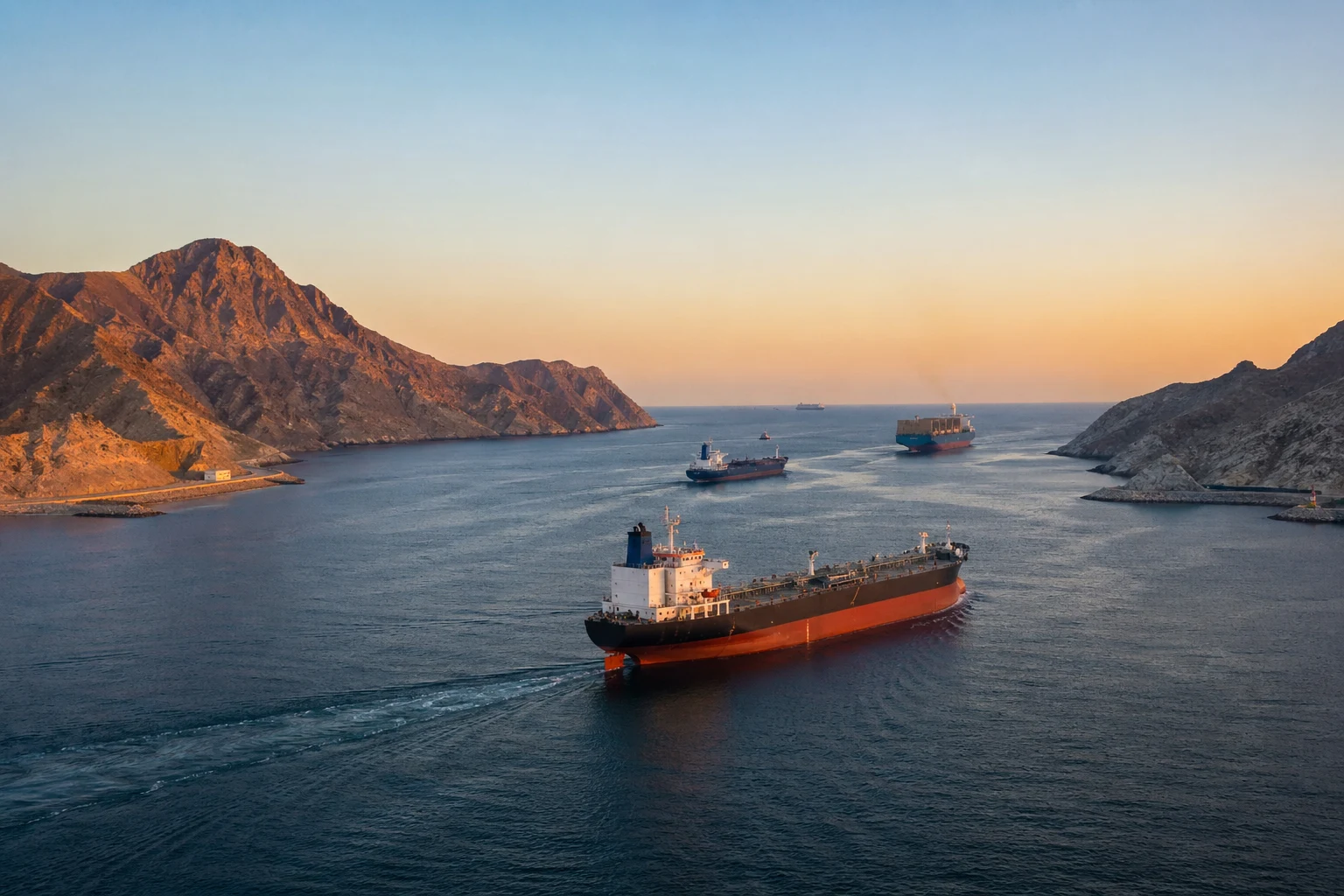
The proposed plan prioritizes reopening the Strait of Hormuz, a vital global oil transit route, while addressing broader regional security guarantees. Gulf nations, including Qatar and Saudi Arabia, have emphasized the importance of uninterrupted maritime navigation and de-escalation.
The temporary closure of the strait has significantly impacted energy exports, raising urgency among regional stakeholders to find a diplomatic solution.
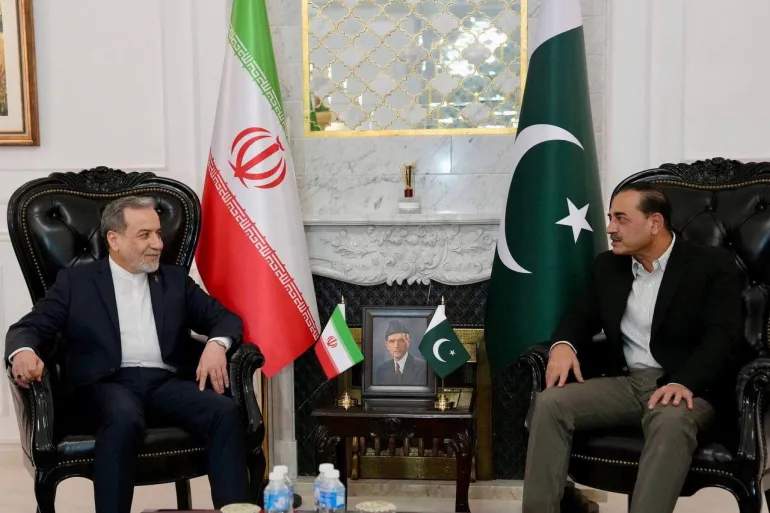
Image Credit: Courtesy of Al Jazeera
US-Iran Tensions and Uncertain Negotiations
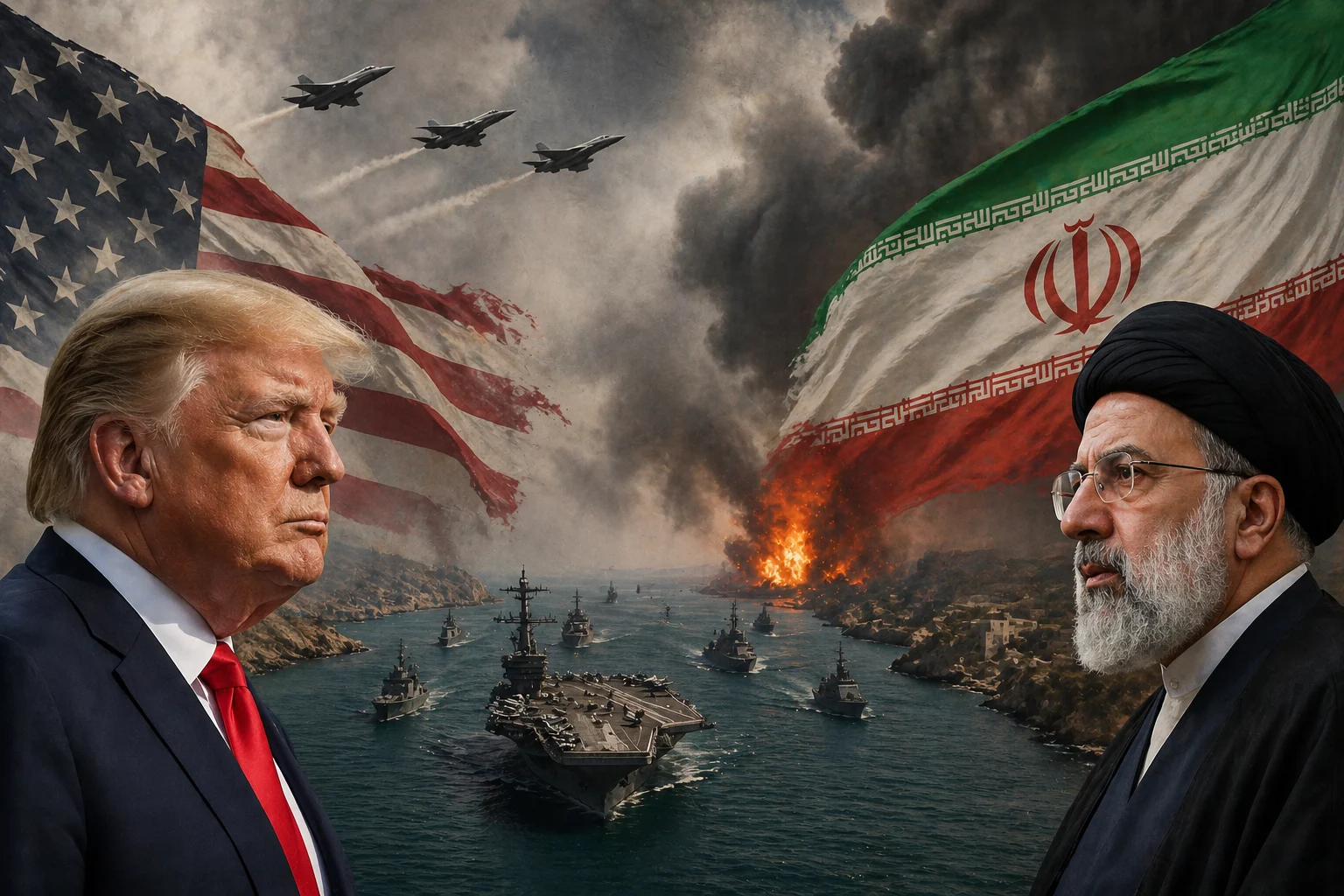
The proposal arrives amid ongoing tensions with the United States. President Donald Trump has maintained that Iran must abandon any nuclear weapons ambitions before meaningful negotiations can proceed.
While indirect communication continues through intermediaries, Washington has not confirmed details of Tehran’s latest offer. The situation is further complicated by a looming deadline under the War Powers Resolution, requiring congressional approval for extended military engagement.
Russia’s Strategic Role in Diplomacy
During his visit to St Petersburg, Araghchi met President Vladimir Putin to discuss ceasefire developments and negotiation progress. Russia is seen as a key diplomatic stabilizer, offering political backing and technical expertise from previous nuclear agreements.
Moscow has also indicated willingness to assist with managing Iran’s enriched uranium, reflecting its continued involvement in the broader geopolitical framework.
Lessons from the 2015 Nuclear Deal
Iran’s current strategy appears shaped by the collapse of the Joint Comprehensive Plan of Action. After the US withdrawal in 2018, Tehran lacked strong regional backing, prompting a shift toward building wider diplomatic support.
Today, Gulf countries show greater openness to engagement, recognizing the economic and security risks of prolonged conflict.
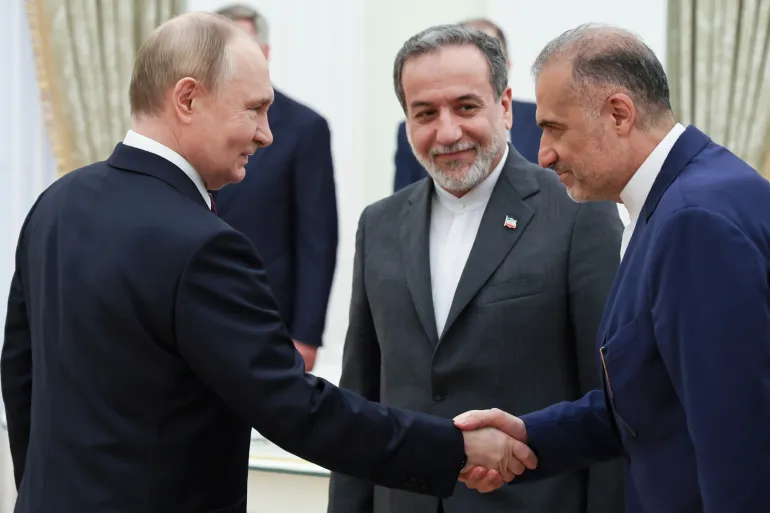
Image Credit: Courtesy of Al Jazeera
Regional Stakes and Strategic Calculations
Iran’s approach highlights a broader objective: reshaping regional security architecture rather than focusing solely on nuclear issues. However, Gulf states remain cautious, balancing diplomatic engagement with concerns over past military actions.
At the same time, domestic pressure within Iran plays a role, with public sentiment favoring leverage through control of the Strait of Hormuz until meaningful concessions are secured.
Key Deadlines and Future Outlook
Several critical timelines are converging, including US legislative deadlines, upcoming international diplomatic meetings, and the Hajj season. These factors increase pressure on all parties to avoid escalation.
Pakistan continues to position itself as a neutral facilitator, with officials indicating readiness to host further negotiations when conditions become favorable.
Conclusion
Iran’s Hormuz-focused proposal reflects a calculated shift toward phased diplomacy, aiming to secure regional backing before tackling more contentious nuclear issues. While the strategy may ease immediate tensions, its success ultimately depends on US engagement and broader international consensus.