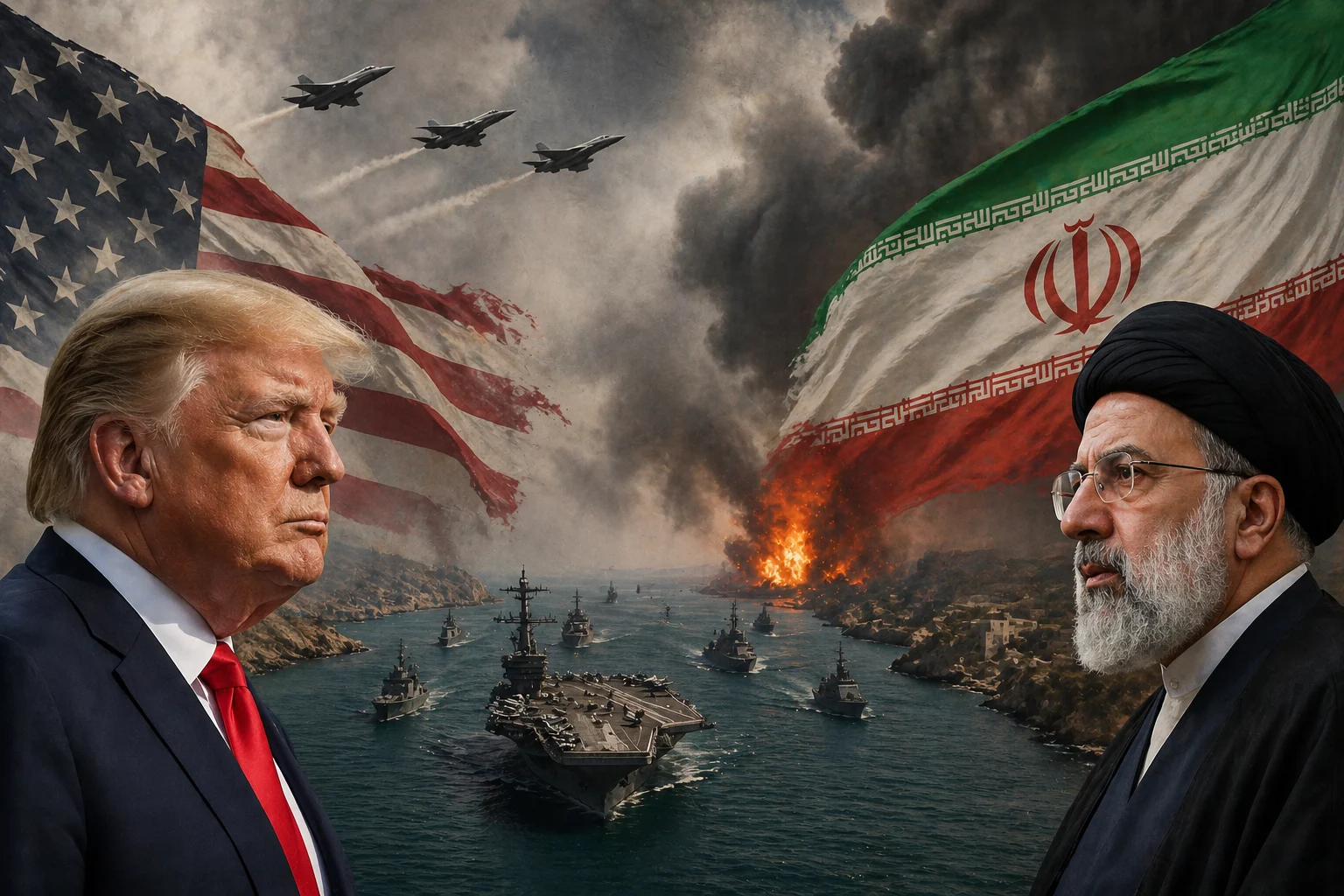
Diplomatic efforts to ease the ongoing conflict between United States and Iran have hit a major roadblock, as indirect negotiations mediated by Pakistan remain stalled. Despite continued engagement behind the scenes, both sides are holding firm on key demands, delaying any meaningful breakthrough.
Trump Cancels Envoy Visit to Pakistan
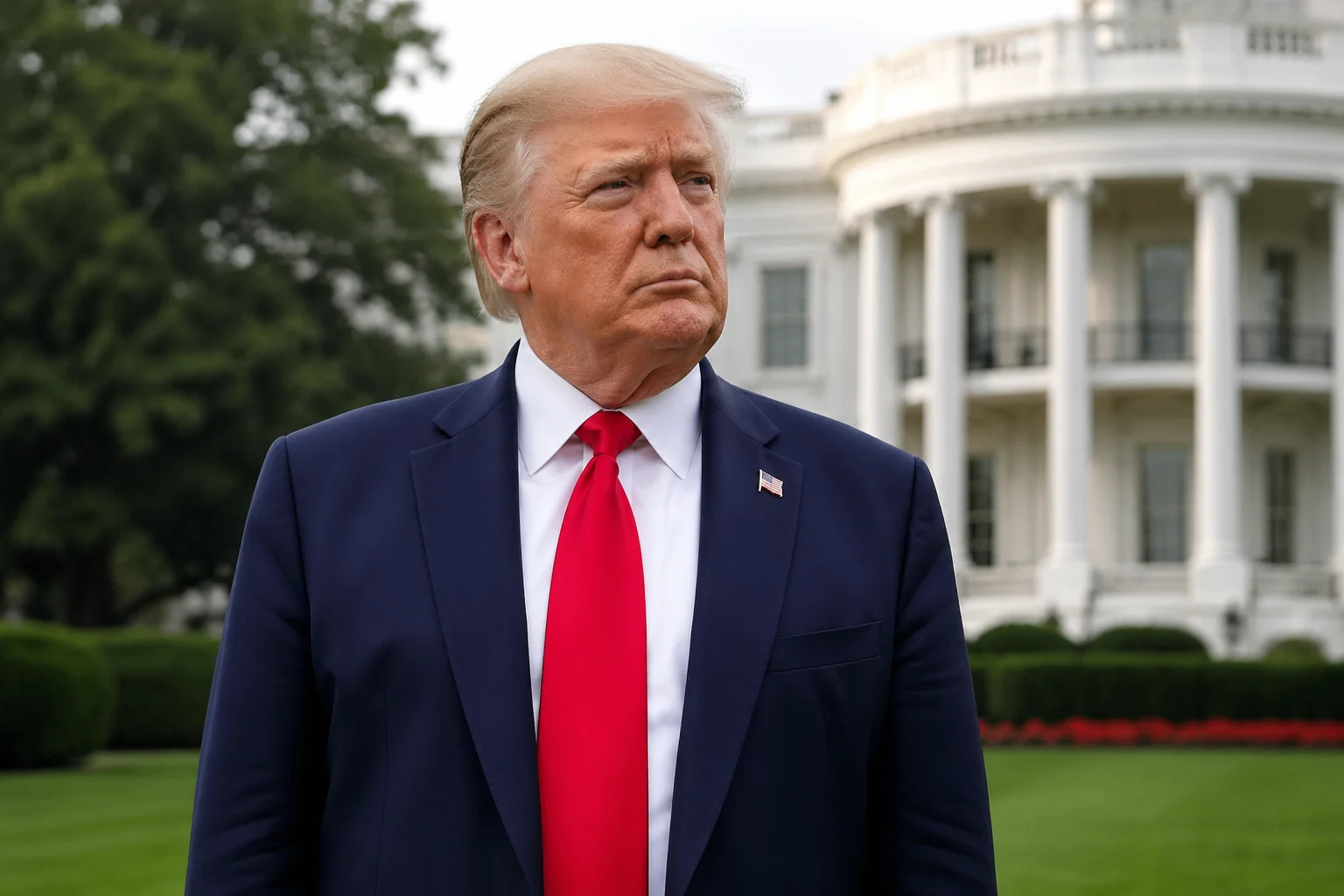
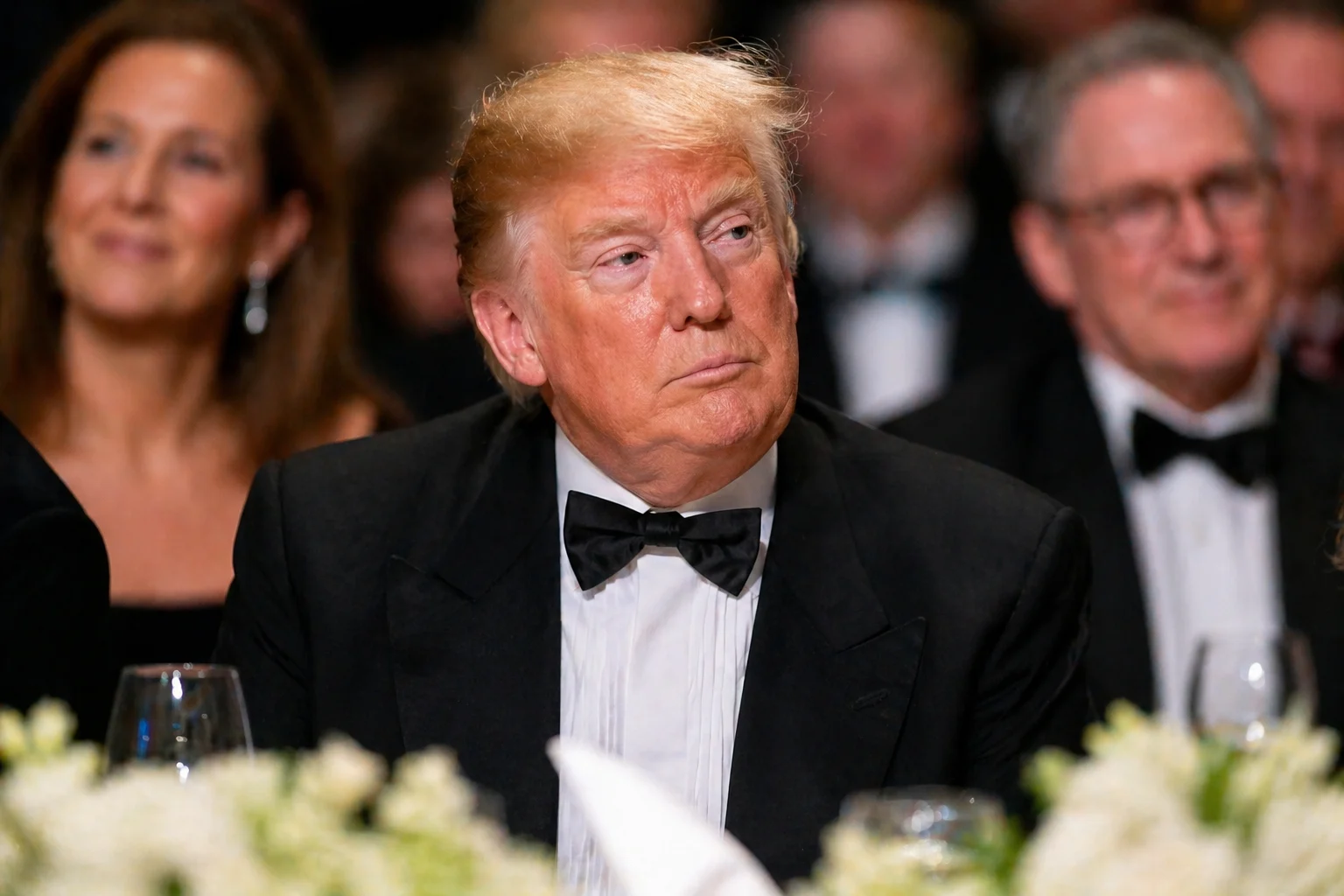
US President Donald Trump has called off a planned diplomatic mission to Islamabad involving envoys Steve Witkoff and Jared Kushner. The visit was expected to explore indirect negotiations with Tehran.
Trump cited concerns over the cost and travel involved, stating that Iran’s latest proposal fell short. In a public message, he emphasized that Washington remains open to talks—but only if Tehran initiates contact.
Iran’s Position: No Talks Without Lifting Blockade
Iranian President Masoud Pezeshkian has made it clear that negotiations cannot proceed while US-imposed restrictions on Iranian ports remain in place.
In discussions with Pakistani Prime Minister Shehbaz Sharif, Pezeshkian stressed that removing the blockade is a prerequisite for any future talks. Meanwhile, Iranian Foreign Minister Abbas Araghchi continues diplomatic outreach, including meetings in Islamabad and Oman.
Pakistan Continues Mediation Efforts
Despite rising tensions, Pakistan remains actively engaged as a mediator. Officials describe the backchannel talks as fragile but ongoing, with cautious optimism surrounding Araghchi’s expected return to Islamabad for further discussions.
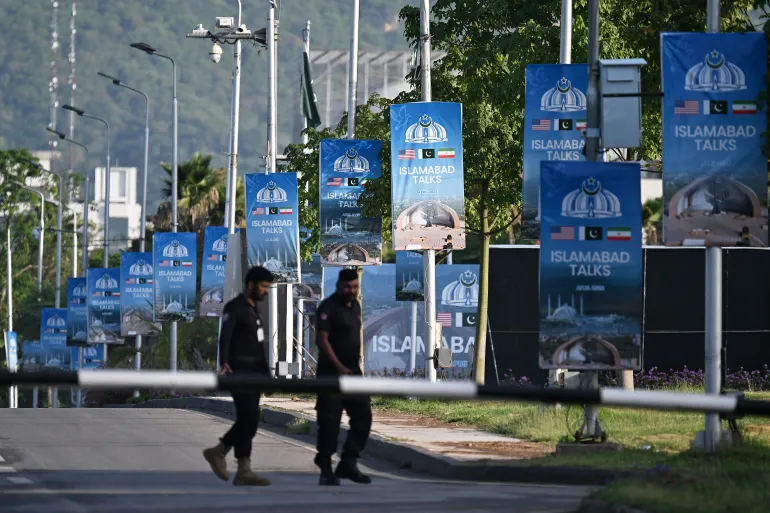
Image Credit: Courtesy of Al Jazeera
Ceasefire Status: Holding but Under Strain
A temporary ceasefire between the US and Iran began on April 8 following weeks of military escalation involving Israel. Talks held shortly after failed to produce a long-term agreement.
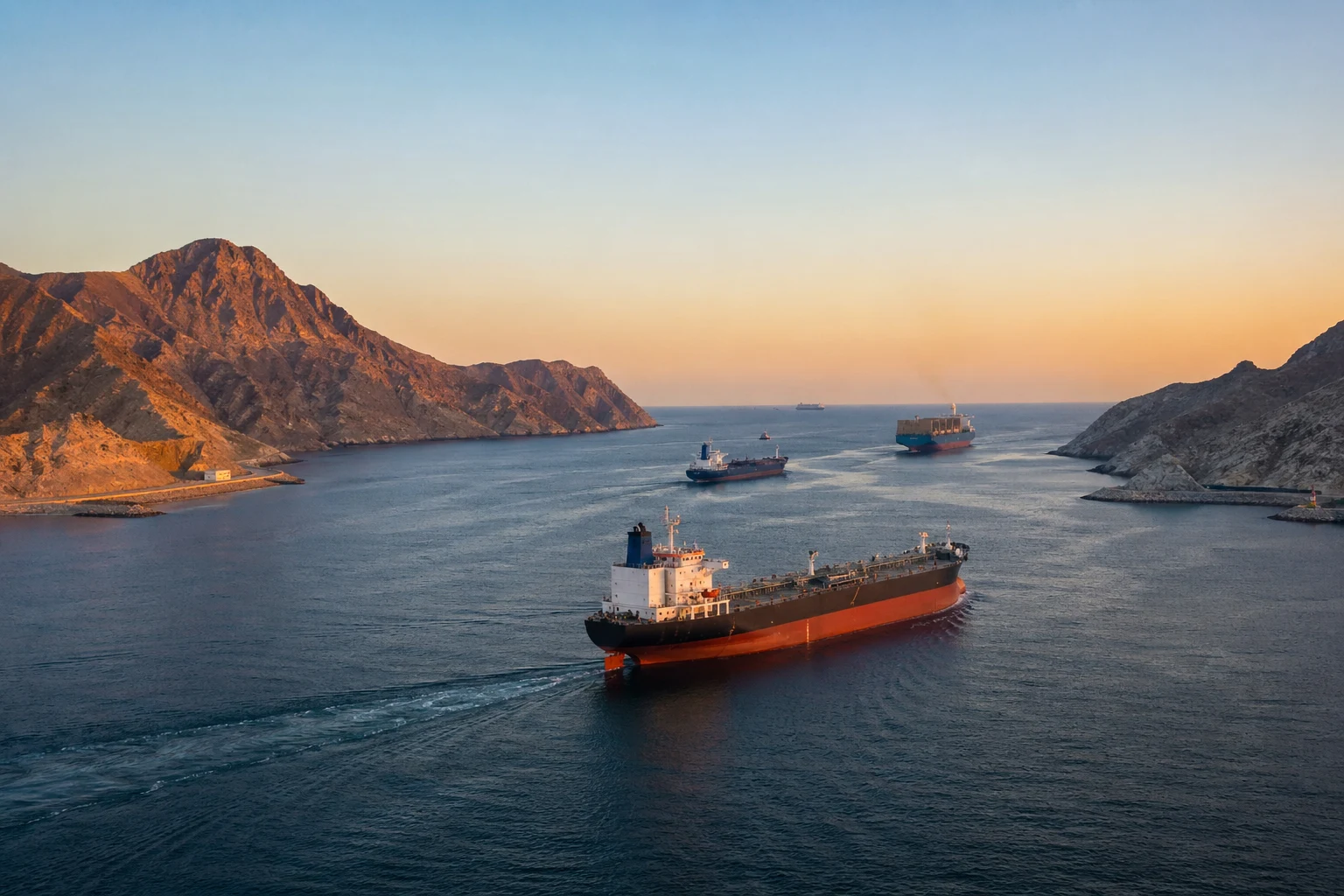
Although the truce largely holds, both sides accuse each other of violations. Naval confrontations and enforcement actions have intensified, particularly around the strategically vital Strait of Hormuz.
Strait of Hormuz: Core Dispute Driving the Conflict
The Strait of Hormuz remains a critical flashpoint. Before the conflict, nearly 20% of global oil and LNG shipments passed through this narrow waterway.
Iran has effectively restricted access and suggested imposing transit tolls, citing sovereignty. The US, however, insists on maintaining unrestricted navigation. Gulf nations have opposed Iran’s proposal, fearing disruptions to energy exports and global markets.
Nuclear Tensions Add Complexity
Another major sticking point is Iran’s uranium enrichment program. The US and Israel demand a complete halt, citing concerns over nuclear weapon development.
Iran, a signatory to the Treaty on the Non-Proliferation of Nuclear Weapons, maintains that its nuclear activities are strictly for civilian purposes. However, the International Atomic Energy Agency reports that Iran has enriched uranium up to 60%, significantly above typical civilian levels.
Outlook: Diplomatic Breakthrough Still Uncertain
With entrenched positions on both sides and escalating regional tensions, the chances of a near-term resolution remain slim. While mediation efforts continue, the path to a lasting ceasefire—and broader peace—remains uncertain.