[ad_1]
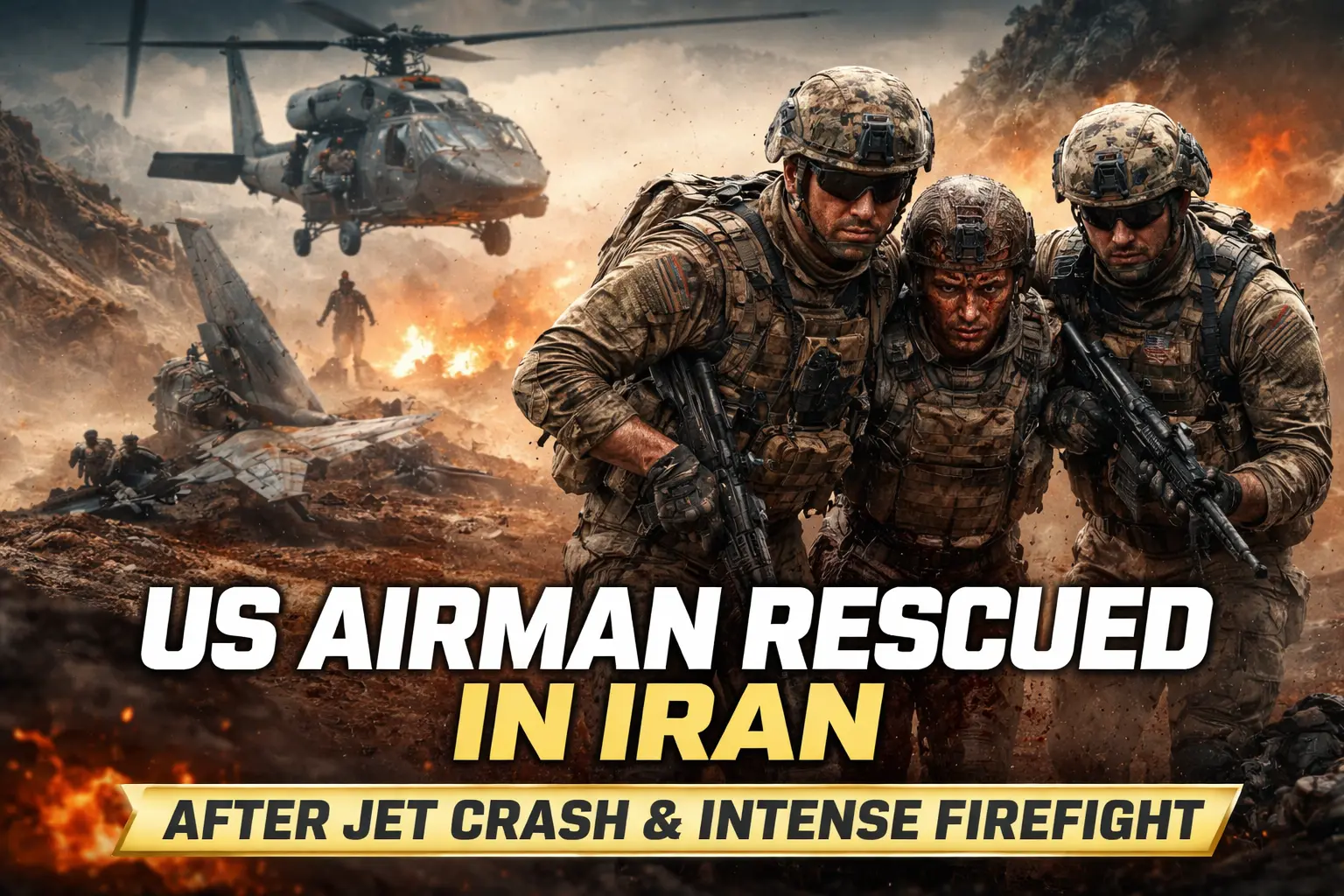
In the early hours of Sunday morning, in the rugged folds of the Zagros Mountains in southwest Iran, a small team of American commandos fought their way to a wounded US Air Force colonel — and brought him home. The operation was reportedly carried out by Navy SEAL Team 6, with US attack aircraft dropping bombs and opening fire on Iranian convoys to keep enemy forces away.
The location, Iran, may have been coincidental, but it was seminal in this SEAL team’s history.
SEAL Team Six was built almost five decades ago because of a catastrophe in Iran. On Sunday, it closed that chapter for now, as per accounts shared by US officials.
In between, it has had some defining moments, resulting in Hollywood hits such as ‘Zero Dark Thirty’ on the killing of Al Qaeda boss Osama Bin Laden in Pakistan in 2011.
“A specialized commando unit” was involved per US news outlet Axios, with the NYT pointedly reporting SEAL Team Six was it.
The team’s roots lay in a failed 1980 attempt by US special forces to rescue American hostages from Iran, right at the onset of the Islamic Regime that had ousted the US-backed monarchy led by a shah.
For the moment, let’s come back to the now.
F-15 crew rescue mission
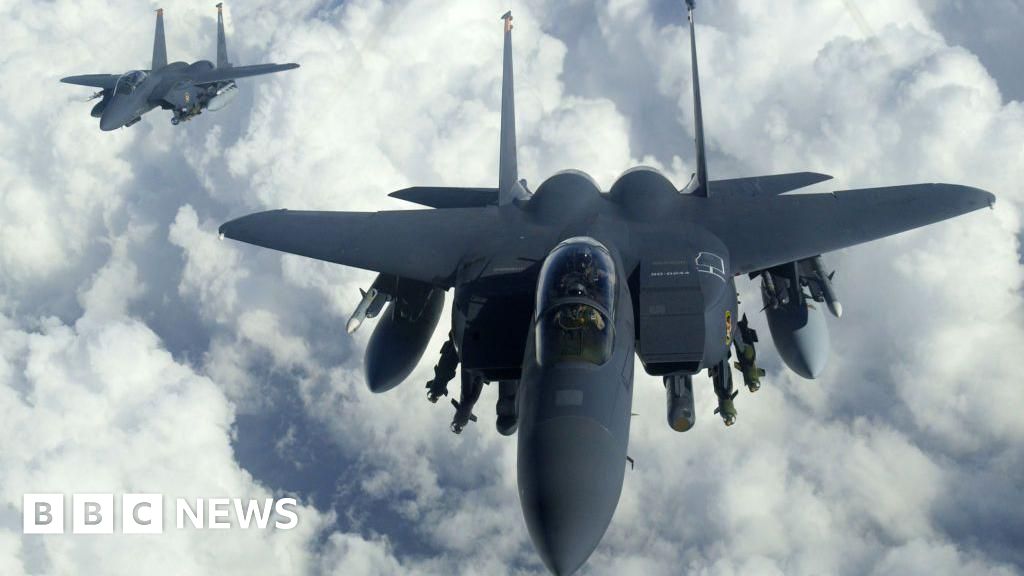
An F-15E Strike Eagle of the US military carrying the now-rescued colonel, who is a weapons systems officer, was shot down over western Iran on Friday. The pilot and he both ejected from the two-seat aircraft. The pilot was rescued within hours.
The weapons officer sustained injuries, but could still walk, and spent nearly two full days evading capture in the mountains. The Islamic Revolutionary Guard Corps dispatched search teams. Iranian state television called on local civilians to help locate him, offering a reward to anyone who found the crew.
Also read | ‘Open the f-ing strait’: Trump’s ‘living in hell’ warning 24 hours before April 6 deadline
Seizing or killing an American officer deep inside Iranian territory would have been an enormous win for Tehran, and spawned a hostage crisis for the US. An Iran hostage crisis would echo old horrors for the US.
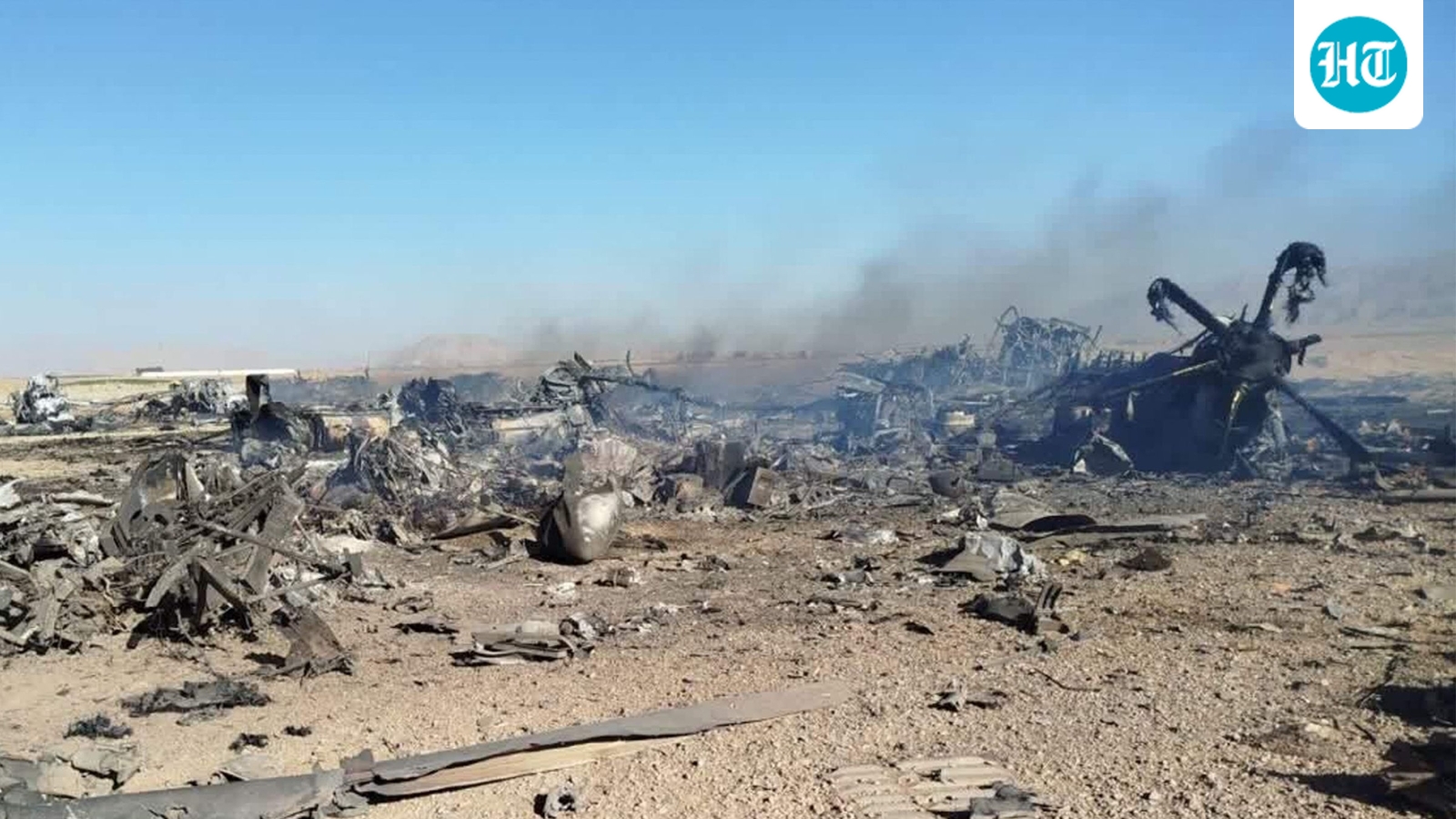
But the extraction was conducted successfully though two aircraft, most probably MC-130J carrying the commandos tasked with rescuing the airman, became stuck at a forward operating airstrip established inside Iran. US planners decided to deploy three new aircraft to extract all personnel and destroy the stranded aircraft in place, to prevent them from falling into Iranian hands, Axios reported citing unnamed US officials.
Also read | How US airman hid behind enemy lines in Iran: A beacon, a 7,000-ft climb, and nearly two days before rescue
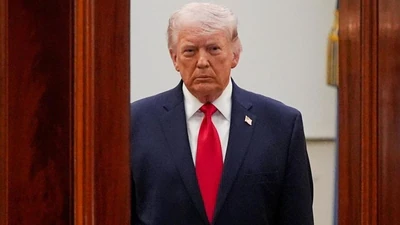
President Trump announced the result on Sunday and later gave an update. “We have rescued the seriously wounded, and really brave, F-15 Crew Member/Officer, from deep inside the mountains of Iran,” he posted on Truth Social, calling him “a highly respected Colonel.”
Born from a failure
Why SEAL Team Six is chosen for such missions, can be understood from details on what the unit actually is. The Team Six was not part of the original Vietnam-era SEAL teams of the 1960s-70s.
“The Navy Sea, Air, and Land Teams, also known as Navy SEALs, are the US Navy’s primary special operations force and are trained to operate in all environments for which they are named,” as per the US navy websitethat says the teams were “forged by adversity”.
Team Six’s origins are rooted in the 1980 Iran hostage crisis, a 444-day standoff, from 1979 to 1981, wherein 52 American diplomats and citizens were held in Tehran by Islamic revolutionaries demanding that the dethroned, US-backed monarch be returned to face justice. The US tried Operation Eagle Claw, a rescue operation, in 1980. That ended in catastrophe at a staging site known as Desert One in Iran, as a helicopter collided with a C-130 transport aircraft, killing eight US servicemen and forcing a retreat. That left the 52 hostages in captivity for another year, before diplomatic efforts led to their release.
The Pentagon concluded it needed a dedicated, full-time counter-terrorism unit capable of executing hostage rescue.
Navy Commander Richard Marcinko was given just six months to build the team, and he handpicked 75 men, according to his memoir ‘Rogue Warrior’. The name ‘SEAL Team Six’ was itself a deception as only two or three SEAL teams existed at the time. The number six was chosen to confuse Soviet Russia’s intelligence about the true size of US special operations capabilities.
It is administratively a US Navy unit but is operationally commanded by the Joint Special Operations Command.
In 1987, SEAL Team Six was formally decommissioned but actually renamed to Naval Special Warfare Development Group, or DEVGRU. Reports said one of the reasons was to dispense with the maverick reputation associated with its founder, Commander Marcinko; but the US government never explained this beyond an “operational” rejig.
The name SEAL Team Six, however, never left the public imagination and pop culture.
DEVGRU is considered a Tier One special mission unit, on a par with the Army’s Delta Force, and is organised into four line squadrons — Red, Blue, Gold, and Silver — each containing around 50 operators, divided into troops of assaulters and snipers. A Black Squadron of reconnaissance specialists carries out advance force operations.
Becoming a member of DEVGRU (or Team Six) requires a six-month selection and training programme.
Full circle in Iran
The unit’s defining public moments include the 2011 killing of Osama Bin Laden in Abbottabad and the 2009 rescue of Captain Richard Phillips from Somali pirates. Both were later made into movies.
These missions have made Team Six, as per NYT, “one of the nation’s most mythologized, most secretive and least scrutinized military organizations”.
The May 2, 2011, raid carried out by approximately two dozen Navy SEALs from DEVGRU’s Red Squadron killed Bin Laden. This is what the 2012 Oscar-winning film ‘Zero Dark Thirty’ was based on. Netflix made a series on it too.
The April 12, 2009, rescue of Captain Phillips was adapted into the 2013 film by ‘Captain Phillips’, starring Tom Hanks.
The team also carried out operations across Iraq and Afghanistan.
Even the 1980 failure has a major film adaptation — Argo (2012), an Oscar-winning film directed by and starring Ben Affleck.
In the weekend operation to extract the crew member of a downed F-15E, no American rescue personnel were killed.
[ad_2]
Source link